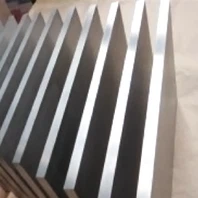
As a supplier of Plate A516 Gr 70, I've been in the thick of the steel business for quite some time. Plate A516 Gr 70 is a popular choice in many industries, especially those dealing with pressure vessels at moderate and lower temperatures. It's got good weldability and excellent notch toughness, but like any material, it's not without its issues. Let's take a look at some of the common defects you might run into with this steel plate.

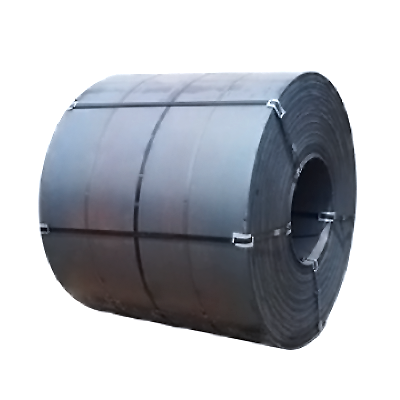
Surface Defects
One of the most noticeable problems with Plate A516 Gr 70 can be surface defects. These can range from minor scratches and abrasions to more serious issues like cracks and laminations.
Scratches and abrasions are usually the result of handling during transportation or storage. They might seem like a small deal, but they can actually compromise the integrity of the plate over time. A scratch can act as a stress concentrator, which means it can increase the likelihood of crack propagation under stress. If you're using the plate in a high - stress application, even a small scratch can be a big problem.
Cracks on the surface are a much more serious concern. They can be caused by a variety of factors, including improper heat treatment during manufacturing. If the steel is cooled too quickly or unevenly, it can develop internal stresses that lead to cracking. Welding can also be a culprit. If the welding process isn't done correctly, it can introduce cracks in the heat - affected zone. Surface cracks are not only a safety hazard but can also lead to premature failure of the pressure vessel or other equipment made from the plate.
Laminations are another type of surface defect. They occur when there are layers of non - metallic inclusions or voids within the steel. These laminations can reduce the strength and toughness of the plate, and they can also cause problems during forming and welding. Laminations are often the result of impurities in the steelmaking process or problems with the rolling process.
Internal Defects
Internal defects in Plate A516 Gr 70 can be even more difficult to detect than surface defects. These include porosity, inclusions, and internal cracks.
Porosity is the presence of small holes or voids within the steel. It can be caused by gas entrapment during the solidification process. If there are gases like hydrogen, oxygen, or nitrogen in the molten steel, they can form bubbles as the steel cools and solidifies. Porosity can weaken the plate and make it more susceptible to corrosion. It can also affect the weldability of the steel, as the pores can act as stress concentrators during welding.
Inclusions are non - metallic particles that are present in the steel. They can be things like oxides, sulfides, or silicates. Inclusions can come from the raw materials used in steelmaking or from the refractories in the furnace. These inclusions can reduce the ductility and toughness of the steel. They can also cause problems during machining, as they can cause tool wear and breakage. For example, if you're trying to drill or cut the plate, inclusions can make the process more difficult and less precise.
Internal cracks are similar to surface cracks but are hidden within the steel. They can be caused by the same factors as surface cracks, such as improper heat treatment or welding. Internal cracks are particularly dangerous because they can't be seen without special testing methods, like ultrasonic testing or X - ray inspection. If an internal crack goes undetected, it can grow over time and eventually lead to catastrophic failure of the component.
Chemical Composition Deviations
The chemical composition of Plate A516 Gr 70 is carefully controlled to ensure its proper performance. However, deviations from the specified composition can occur.
If the carbon content is too high, the steel can become brittle. High carbon content can also reduce the weldability of the steel, as it can lead to the formation of hard and brittle martensite in the heat - affected zone during welding. On the other hand, if the carbon content is too low, the steel may not have the required strength.
The manganese content is also important. Manganese helps to improve the strength and toughness of the steel. If the manganese content is too low, the plate may not have the necessary mechanical properties. And if it's too high, it can cause problems with segregation and can also affect the weldability.
Other elements like sulfur and phosphorus also need to be within the specified limits. High sulfur content can lead to hot shortness, which means the steel becomes brittle at high temperatures. High phosphorus content can reduce the ductility and toughness of the steel, especially at low temperatures.
Impact on Performance and Applications
These defects can have a significant impact on the performance of Plate A516 Gr 70 in different applications. In pressure vessel applications, any defect can compromise the safety and reliability of the vessel. A crack or a lamination can lead to a leak or even an explosion if the pressure builds up beyond the capacity of the damaged plate.
In the oil and gas industry, where Plate A516 Gr 70 is often used for storage tanks and pipelines, defects can lead to leaks of hazardous materials. This not only poses a risk to the environment but also to the workers and the surrounding community.
When it comes to comparing Plate A516 Gr 70 with other steel plates like S355NL, S355JO, and S355J2, each has its own set of characteristics and potential defects. S355 series plates are low - alloy steel plates, and they may have different defect patterns depending on their specific composition and manufacturing process. For example, S355 series plates may be more prone to certain types of corrosion in specific environments compared to Plate A516 Gr 70.
How We Minimize Defects
As a supplier, we take several steps to minimize the occurrence of these defects in Plate A516 Gr 70. First of all, we work closely with our steel mills to ensure that the raw materials used are of high quality. We source our steel from reputable mills that have strict quality control measures in place.
During the manufacturing process, we monitor the heat treatment and rolling processes carefully. We make sure that the steel is cooled at the right rate and that the rolling is done evenly to prevent internal stresses and defects.
We also perform a series of quality control tests on the finished plates. These include visual inspections for surface defects, ultrasonic testing for internal defects, and chemical analysis to ensure the correct composition. By doing these tests, we can catch any defects early and take corrective action before the plates are shipped to our customers.
If you're in the market for Plate A516 Gr 70, don't let these potential defects scare you. With proper quality control and testing, we can provide you with high - quality plates that meet your requirements. Whether you're building a pressure vessel, a storage tank, or any other equipment, we're here to help. If you have any questions or want to discuss your specific needs, feel free to reach out to us for a procurement discussion. We're committed to providing you with the best possible product and service.
References
- ASME Boiler and Pressure Vessel Code
- ASTM A516/A516M - Standard Specification for Pressure Vessel Plates, Carbon Steel, for Moderate and Lower Temperature Service
- Steelmaking and Rolling Handbook