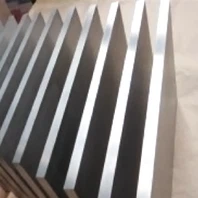
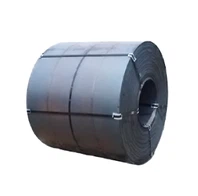
Hey there! As an abrasion plate supplier, I've seen my fair share of installation challenges. One of the most crucial aspects of getting the job done right is ensuring the alignment of the abrasion plate during installation. In this blog, I'm gonna share some tips and tricks on how to make sure your abrasion plate is installed perfectly every time.
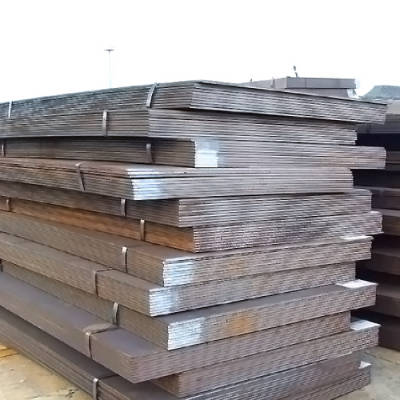

Why Alignment Matters
First off, let's talk about why alignment is so important. When an abrasion plate isn't aligned correctly, it can lead to a whole bunch of problems. For starters, it can cause uneven wear on the plate, which means it won't last as long as it should. This can result in more frequent replacements, which can be a real pain in the you - know - what and cost you a lot of money in the long run.
Secondly, misaligned abrasion plates can also affect the performance of the equipment they're installed on. If the plate isn't sitting right, it might not provide the level of protection or functionality that it's supposed to. This can lead to decreased efficiency, increased downtime, and even safety hazards. So, getting that alignment right is super important.
Preparation is Key
Before you even start installing the abrasion plate, you need to do some prep work. This involves cleaning the surface where the plate will be installed. Any dirt, grease, or debris on the surface can prevent the plate from sitting flat and cause alignment issues. Use a good quality degreaser and a wire brush to clean the area thoroughly.
Next, measure the area where the plate will go. Make sure you have accurate measurements so that you can cut the plate to the right size if necessary. You can use a tape measure or a laser measuring tool for this. Double - check your measurements to avoid any mistakes.
Marking the Installation Area
Once the surface is clean and you have your measurements, it's time to mark the installation area. Use a chalk line or a marker to draw the outline of the abrasion plate on the surface. This will give you a clear guide on where to place the plate and help you ensure proper alignment.
If you're installing multiple plates side by side, you can also mark the position of each plate relative to the others. This will make it easier to keep everything in line and ensure a seamless installation.
Using Alignment Tools
There are several tools that can help you align the abrasion plate accurately. One of the most common tools is a straightedge. You can place the straightedge along the edge of the plate to check if it's straight. If the plate is off - center or tilted, you can adjust it until it lines up with the straightedge.
Another useful tool is a level. A level will help you make sure the plate is horizontal or vertical, depending on the installation requirements. Place the level on top of the plate and adjust the position until the bubble in the level is centered. This indicates that the plate is level.
Securing the Plate
Once the plate is in the right position, it's time to secure it. The method of securing the plate will depend on the type of abrasion plate and the application. Some plates are welded in place, while others are bolted or glued.
If you're welding the plate, make sure you use the correct welding technique and equipment. Welding should be done in a way that doesn't cause the plate to warp or move out of alignment. Start by tack - welding the plate at several points to hold it in place, and then finish the full weld.
For bolted plates, make sure the holes in the plate line up with the holes in the surface. Use a drill if you need to make any adjustments to the holes. Tighten the bolts evenly to prevent the plate from becoming uneven.
Checking and Re - checking
Even after you've secured the plate, it's a good idea to check the alignment again. Sometimes, the process of securing the plate can cause it to shift slightly. Use your alignment tools to double - check that the plate is still in the right position.
If you find any alignment issues, don't hesitate to make adjustments. It's better to take the time to get it right now than to deal with the consequences later.
Different Types of Abrasion Plates
As an abrasion plate supplier, we offer a variety of plates, such as NM400 Abrasion Plate, NM500 Wear Steel Plate, and NM360 Abrasion Resistant Plate. Each type of plate has its own characteristics and installation requirements, but the basic principles of alignment apply to all of them.
The NM400 Abrasion Plate is known for its high hardness and good abrasion resistance. It's often used in applications where there is a lot of wear and tear. The NM500 Wear Steel Plate is even harder and more wear - resistant, making it suitable for more demanding applications. The NM360 Abrasion Resistant Plate offers a good balance between hardness and toughness, and it's a popular choice for many industries.
Training and Experience
Installing abrasion plates correctly takes some skill and experience. If you're new to this, it might be a good idea to get some training or work with someone who has more experience. There are also online resources and videos that can provide you with more detailed instructions on how to install and align abrasion plates.
Conclusion
Ensuring the alignment of an abrasion plate during installation is crucial for its performance and longevity. By following the steps I've outlined above, you can increase the chances of a successful installation. Remember, preparation, using the right tools, and double - checking your work are all key to getting that alignment right.
If you're in the market for high - quality abrasion plates like the ones I mentioned earlier, don't hesitate to reach out. We're here to help you find the right product for your needs and provide you with any support you might need during the installation process. Whether you're a small business or a large industrial operation, we've got the expertise and the products to meet your requirements. So, if you're interested in purchasing abrasion plates, let's start a conversation and see how we can work together.
References
- "Abrasion Resistance of Metals and Alloys" by various authors, published by ASM International
- "Welding Handbook" by American Welding Society