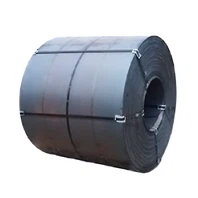
Can 690ql plate be used in pressure vessels? Well, that's a question I get asked a lot as a supplier of 690ql plates. In this blog, I'm gonna break down the details and give you the lowdown on whether this high - strength steel plate is a good fit for pressure vessel applications.
What is 690ql Plate?
First off, let's talk about what 690ql plate actually is. 690ql is a high - strength quenched and tempered steel plate. It's got some pretty impressive mechanical properties. With a minimum yield strength of around 690 MPa, it's a tough cookie. This high strength comes from a combination of its chemical composition and the quenching and tempering heat treatment process.
The chemical makeup of 690ql usually includes elements like carbon, manganese, silicon, and small amounts of other alloying elements. These elements work together to give the plate its strength, toughness, and good weldability. Compared to some other common steel plates, 690ql really stands out in terms of its strength - to - weight ratio. This means you can use less material to achieve the same level of performance, which can save on costs and make the overall structure lighter.
Requirements for Pressure Vessels
Pressure vessels are no joke. They're used in all sorts of industries, from oil and gas to chemical processing. These vessels have to withstand high internal pressures, sometimes for long periods of time. So, there are some strict requirements for the materials used in them.
One of the most important requirements is strength. The material has to be strong enough to handle the internal pressure without deforming or failing. Corrosion resistance is also crucial, especially if the vessel is going to be in contact with corrosive substances. Weldability is another key factor. Since pressure vessels are often fabricated by welding different parts together, the material needs to be easy to weld without creating weak points.
Can 690ql Plate Meet the Requirements?
Let's start with strength. As I mentioned earlier, 690ql has a high yield strength of around 690 MPa. This is more than enough to handle the high pressures typically found in pressure vessels. In fact, its high strength means that you can design thinner - walled vessels, which can be a big advantage in terms of cost and weight.
When it comes to corrosion resistance, 690ql can be a bit of a mixed bag. In its basic form, it doesn't have excellent corrosion resistance. But, there are ways to improve this. You can apply protective coatings or use corrosion - resistant alloying elements during the manufacturing process. This way, you can make 690ql suitable for use in environments where corrosion is a concern.
Weldability is another area where 690ql shines. Thanks to its carefully controlled chemical composition and heat treatment, it can be welded using common welding methods. However, it's important to follow the proper welding procedures to ensure the integrity of the welds. This might include pre - heating the material before welding and using the right type of filler metal.
Comparison with Other High - Strength Plates
It's always good to compare 690ql with other high - strength plates on the market. For example, S460QL is another popular choice for structural applications. While S460QL has good strength and weldability, its yield strength is lower than that of 690ql. This means that for high - pressure applications, 690ql might be a better option.
On the other hand, S890QL1 has an even higher yield strength than 690ql. But, it can be more expensive and might require more specialized welding techniques. So, if you don't need the extremely high strength of S890QL1, 690ql can be a more cost - effective and practical choice.
Real - World Applications
There are already some real - world examples of 690ql being used in pressure vessels. In the oil and gas industry, for instance, 690ql plates have been used to construct storage tanks and pipelines. These applications require materials that can withstand high pressures and harsh environments. The high strength and good weldability of 690ql make it a suitable choice for these projects.
Considerations and Precautions
Before using 690ql in pressure vessels, there are a few things you need to keep in mind. First, make sure you're following all the relevant industry standards and regulations. There are specific codes and guidelines for the design, fabrication, and inspection of pressure vessels, and you need to comply with them.
Second, do some testing. It's a good idea to conduct some mechanical and corrosion tests on the 690ql plates before using them in your project. This will give you a better idea of how the material will perform in your specific application.
Conclusion
So, can 690ql plate be used in pressure vessels? The answer is yes, in most cases. Its high strength, good weldability, and the possibility of improving its corrosion resistance make it a viable option for pressure vessel applications. However, you need to take into account the specific requirements of your project and follow the proper procedures.


If you're interested in using 690ql plates for your pressure vessel project, I'd love to have a chat with you. As a supplier of S690QL plates, I can provide you with high - quality materials and expert advice. Don't hesitate to reach out and start the conversation about your procurement needs.
References
- ASME Boiler and Pressure Vessel Code
- ISO standards for pressure vessels
- Technical literature on high - strength steel plates