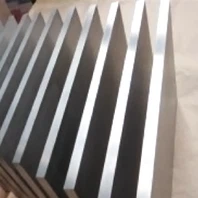
Weld quality control for ASTM A537 is a critical aspect in the manufacturing and application of this material. As a supplier of ASTM A537, I understand the importance of ensuring high - quality welds to meet the stringent requirements of various industries. In this blog, I will delve into the key factors and measures involved in weld quality control for ASTM A537.
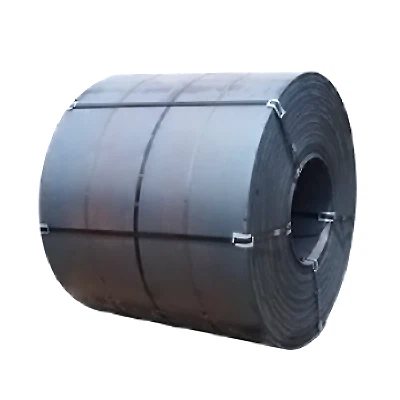

Understanding ASTM A537
ASTM A537 is a standard specification for pressure vessel plates, heat - treated, carbon - manganese - silicon steel. These plates are used in applications where high strength and good notch toughness are required, such as in the construction of pressure vessels, storage tanks, and other equipment in the oil, gas, and chemical industries. The material comes in different grades, each with specific chemical and mechanical properties.
Importance of Weld Quality Control
Welds in ASTM A537 components are often the weakest points in the structure. Poor weld quality can lead to a variety of issues, including reduced strength, fatigue failure, and leakage. In pressure vessel applications, a faulty weld can have catastrophic consequences, such as explosions or environmental disasters. Therefore, strict weld quality control is essential to ensure the safety and reliability of the final product.
Pre - Welding Quality Control
Material Inspection
Before welding, it is crucial to inspect the ASTM A537 plates thoroughly. This includes checking the chemical composition, mechanical properties, and surface condition. The chemical composition should conform to the requirements of the ASTM A537 standard. For example, the carbon content, manganese content, and other alloying elements should be within the specified ranges. Any deviation from the standard can affect the weldability and the final properties of the weld.
Mechanical properties such as yield strength, tensile strength, and elongation should also be verified. These properties are important for determining the load - bearing capacity of the welded structure. Surface inspection is necessary to detect any defects such as cracks, porosity, or inclusions on the plate surface. These defects can act as stress concentrators and lead to weld failure.
Welding Procedure Specification (WPS)
A well - defined Welding Procedure Specification is the cornerstone of weld quality control. The WPS should be developed based on the material properties of ASTM A537, the welding process to be used (such as shielded metal arc welding, gas metal arc welding, etc.), and the specific requirements of the application. It should include details such as welding parameters (current, voltage, welding speed), pre - heat and post - weld heat treatment requirements, and the type of filler metal to be used.
The WPS should be qualified through a series of tests, including mechanical testing of welded samples. This ensures that the welding procedure can produce welds with the required properties. Once the WPS is qualified, it should be strictly followed during the welding process.
Welder Qualification
The skill and experience of the welders play a vital role in weld quality. Welders should be qualified according to relevant standards, such as AWS D1.1 or ASME Section IX. Qualification tests typically include practical welding tests and theoretical knowledge examinations. The welders should be familiar with the WPS for ASTM A537 and be able to perform the welding operations accurately.
In - Welding Quality Control
Welding Parameter Monitoring
During the welding process, it is essential to monitor the welding parameters continuously. Deviations from the specified parameters can lead to poor weld quality. For example, if the welding current is too high, it can cause excessive penetration, burn - through, and porosity. On the other hand, if the current is too low, the weld may not be fully fused, resulting in lack of penetration.
Real - time monitoring systems can be used to ensure that the welding parameters remain within the specified ranges. These systems can provide alerts if any parameter goes out of the acceptable limits, allowing the welder to make immediate adjustments.
Weld Visual Inspection
Visual inspection is a simple yet effective method of in - welding quality control. The welder should visually inspect the weld bead as it is being formed. Any signs of irregularities, such as undercutting, overlap, or excessive spatter, should be addressed immediately. Undercutting can reduce the cross - sectional area of the weld and weaken the joint, while overlap can cause stress concentrations.
Visual inspection can also detect the presence of porosity or cracks on the surface of the weld. If any defects are found, the welder should stop the welding process and take corrective actions, such as grinding the defective area and rewelding.
Post - Welding Quality Control
Non - Destructive Testing (NDT)
Non - destructive testing methods are used to detect internal defects in the welds. Common NDT methods for ASTM A537 welds include ultrasonic testing (UT), radiographic testing (RT), magnetic particle testing (MT), and liquid penetrant testing (PT).
Ultrasonic testing uses high - frequency sound waves to detect internal flaws such as cracks, lack of fusion, and porosity. Radiographic testing involves the use of X - rays or gamma rays to produce an image of the internal structure of the weld. Magnetic particle testing is suitable for detecting surface and near - surface defects in ferromagnetic materials like ASTM A537. Liquid penetrant testing is used to detect surface - opening defects.
Mechanical Testing
Mechanical testing of the welded joints is also an important part of post - welding quality control. This includes tensile testing, bend testing, and impact testing. Tensile testing measures the strength of the weld joint by applying a pulling force until failure. Bend testing checks the ductility and soundness of the weld by bending the welded sample. Impact testing evaluates the toughness of the weld at low temperatures.
Post - Weld Heat Treatment (PWHT)
Post - weld heat treatment is often required for ASTM A537 welds to relieve residual stresses, improve the microstructure, and enhance the toughness of the weld. The PWHT parameters, such as the heating rate, holding temperature, and cooling rate, should be carefully controlled according to the WPS. Improper PWHT can lead to reduced mechanical properties and increased susceptibility to cracking.
Comparison with Other Similar Materials
ASTM A537 is often compared with other pressure vessel materials such as astm a537 16Mo3, P295GH, and SA285GrA. While these materials have similar applications, their weldability and weld quality control requirements may differ.
For example, 16Mo3 has a different chemical composition compared to ASTM A537, which may affect the pre - heat and post - weld heat treatment requirements. P295GH has specific mechanical property requirements, and the welding process should be adjusted accordingly to meet these requirements. SA285GrA has lower strength compared to some grades of ASTM A537, and the welding parameters may need to be optimized to ensure a strong and reliable weld.
Conclusion
Weld quality control for ASTM A537 is a comprehensive process that involves pre - welding, in - welding, and post - welding measures. By ensuring proper material inspection, developing a qualified WPS, using skilled welders, monitoring welding parameters, and conducting thorough non - destructive and mechanical testing, we can produce high - quality welds in ASTM A537 components.
As a supplier of ASTM A537, I am committed to providing high - quality materials and supporting our customers in achieving excellent weld quality. If you are interested in purchasing ASTM A537 or have any questions about weld quality control, please feel free to contact us for further discussion and procurement negotiation.
References
- ASTM International. ASTM A537/A537M - 21 Standard Specification for Pressure Vessel Plates, Heat - Treated, Carbon - Manganese - Silicon Steel.
- American Welding Society. AWS D1.1/D1.1M:2020 Structural Welding Code - Steel.
- American Society of Mechanical Engineers. ASME Section IX - Welding and Brazing Qualifications.