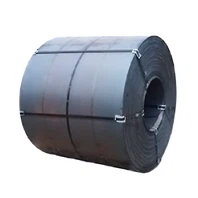
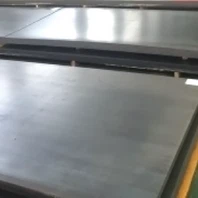
Hey there! As a supplier of abrasion plates, I've seen firsthand the challenges that come with dealing with the waste generated from these plates. Abrasion plates, like the NM600 Abrasion Steel Plate, NM360 Abrasion Resistant Plate, and NM500 Wear Steel Plate, are widely used in various industries due to their high resistance to wear and tear. But what do we do with the waste when these plates reach the end of their useful life? Let's dive into some practical ways to handle this issue.
Recycling: The First Option
Recycling is probably the most environmentally friendly and cost - effective way to deal with abrasion plate waste. Abrasion plates are typically made of steel, which is one of the most recycled materials in the world. When we recycle steel, we can save a significant amount of energy compared to producing new steel from raw materials.
The recycling process starts with collecting the waste plates. We need to sort them based on their composition and quality. For example, some abrasion plates may have been exposed to different chemicals or have different alloying elements. Sorting ensures that the recycling process is more efficient and the recycled steel meets the required standards.
Once sorted, the plates are sent to a recycling facility. Here, they are melted down in a furnace at extremely high temperatures. The impurities are removed, and the molten steel is then cast into new shapes, which can be used to make new abrasion plates or other steel products.
Reusing: Giving a Second Life
Reusing is another great option. Some parts of the abrasion plates may still be in good condition even after the plate has been removed from service. For instance, if only a small area of the plate has been severely worn, we can cut out the damaged part and use the remaining section for other applications.
We can also repurpose abrasion plates for less demanding tasks. Maybe they can be used as partitions in a warehouse or as protective barriers in a less - harsh environment. This not only reduces waste but also saves money on purchasing new materials.
Landfill: A Last Resort
Landfilling should be the last option when dealing with abrasion plate waste. While steel is a relatively stable material in a landfill, it still takes up valuable space. Moreover, if the plates have been exposed to certain chemicals, there is a risk of environmental contamination.
Before sending the plates to a landfill, we need to ensure that they are properly treated to minimize any potential environmental impact. For example, if the plates have been coated with a toxic paint, the coating should be removed.
Cost - Benefit Analysis
When deciding on the best way to deal with abrasion plate waste, we need to consider the cost - benefit analysis. Recycling may require an initial investment in collection and sorting, but it can save on raw material costs in the long run. Reusing can save money on purchasing new materials, but it may require some labor and equipment for cutting and repurposing. Landfilling may seem like the cheapest option at first, but the long - term environmental costs can be significant.
Environmental Regulations
It's also important to be aware of the environmental regulations regarding the disposal of abrasion plate waste. Different regions have different rules, and we need to comply with them to avoid any legal issues. For example, some areas may have strict regulations on the amount of waste that can be sent to a landfill or the requirements for recycling.
Working with Partners
As a supplier, we can work with our customers and recycling partners to develop a more sustainable waste management strategy. We can educate our customers on the best practices for handling abrasion plate waste. For example, we can provide them with guidelines on how to sort the waste plates and where to send them for recycling.

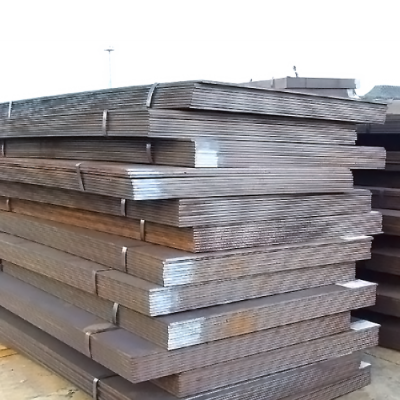
We can also partner with recycling facilities to ensure that the waste is recycled in an efficient and environmentally friendly way. By working together, we can reduce the overall environmental impact of abrasion plate waste.
Innovation in Waste Management
The field of waste management is constantly evolving, and there are always new technologies and methods being developed. For example, some researchers are working on developing new recycling processes that can recover more valuable elements from the waste plates. Others are exploring ways to use the waste plates as a raw material for other industries, such as construction.
As a supplier, we need to stay updated on these innovations and be ready to adopt them when they become available. This not only helps us to better manage our waste but also gives us a competitive edge in the market.
Training and Education
We should also invest in training and education for our employees and customers. Our employees need to be trained on the proper handling and disposal of abrasion plate waste. They should know how to sort the plates, how to use the recycling equipment, and how to comply with environmental regulations.
For our customers, we can provide educational materials on the importance of waste management and the different options available. This can help them make more informed decisions when it comes to dealing with the waste generated from our abrasion plates.
Conclusion
Dealing with the waste of abrasion plates is a complex but important issue. By recycling, reusing, and being aware of environmental regulations, we can minimize the environmental impact and save costs. As a supplier, we have a responsibility to lead the way in sustainable waste management.
If you're interested in purchasing high - quality abrasion plates or have any questions about waste management, feel free to reach out. We're always here to help you find the best solutions for your needs.
References
- Steel Recycling Institute. (2023). Benefits of Steel Recycling.
- Environmental Protection Agency. (2023). Waste Management Regulations.