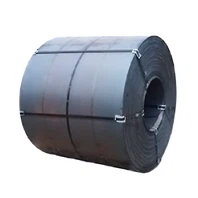
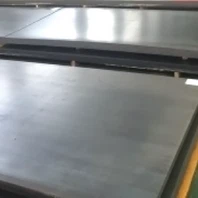
Hey there! As a supplier of plate ASTM A516 Gr 70, I've seen my fair share of welding projects using this material. ASTM A516 Gr 70 is a popular choice for pressure vessels and other applications due to its good notch toughness and weldability at low to moderate temperatures. But like any welding process, there can be some common defects that pop up. Let's take a closer look at what these might be.
Porosity
One of the most common welding defects in ASTM A516 Gr 70 plates is porosity. Porosity refers to the formation of small holes or voids in the weld metal. This can happen for a few reasons. Firstly, if the welding area isn't clean, contaminants like oil, grease, or rust can get trapped in the weld pool. When the weld solidifies, these contaminants turn into gas, creating pores.
Secondly, improper shielding gas can also lead to porosity. If the shielding gas isn't flowing at the right rate or if there's a leak in the gas system, the weld metal won't be properly protected from the atmosphere. Oxygen and nitrogen from the air can then react with the molten metal, forming gas bubbles that become pores.
To prevent porosity, it's crucial to clean the welding area thoroughly before starting. Use a wire brush or grinder to remove any rust, oil, or dirt. Also, make sure to check the shielding gas system for leaks and set the correct gas flow rate according to the welding process and electrode being used.
Lack of Fusion
Lack of fusion occurs when the weld metal doesn't properly bond with the base metal or with previous weld passes. This can be a serious issue as it weakens the overall strength of the weld. There are a few factors that can cause lack of fusion.
One common cause is insufficient heat input. If the welding current is too low or the welding speed is too fast, the base metal won't reach the melting point, and the weld metal won't fuse with it properly. Another factor is improper joint preparation. If the edges of the plates aren't beveled correctly or if there's too much gap between the plates, the weld metal might not penetrate adequately.
To avoid lack of fusion, adjust the welding parameters such as current, voltage, and speed to ensure sufficient heat input. Proper joint preparation is also key. Make sure the plates are beveled to the correct angle and that the gap between them is within the recommended range.
Cracking
Cracking is another major concern in welding ASTM A516 Gr 70 plates. There are different types of cracks, including hot cracks and cold cracks.
Hot cracks usually occur during the solidification process of the weld metal. They can be caused by factors such as high sulfur or phosphorus content in the base metal or weld consumables. These elements can form low - melting - point compounds that weaken the grain boundaries in the weld, leading to cracking.
Cold cracks, on the other hand, develop after the weld has cooled. Hydrogen embrittlement is a common cause of cold cracks. Hydrogen can enter the weld during the welding process, for example, from moisture in the electrode coating or in the shielding gas. As the weld cools and contracts, the hydrogen becomes trapped, increasing the internal stress and eventually causing cracks.
To prevent hot cracks, it's important to control the chemical composition of the base metal and weld consumables. Choose high - quality materials with low sulfur and phosphorus levels. For cold cracks, proper pre - heating and post - weld heat treatment can help reduce the hydrogen content in the weld. Also, store the electrodes in a dry place and use a suitable drying oven if necessary.
Slag Inclusion
Slag inclusion is the entrapment of slag (the by - product of the flux in the welding process) in the weld metal. This can happen when the slag from a previous weld pass isn't removed properly before the next pass. If the welding technique is incorrect, for example, if the electrode is held too far from the weld pool or the welding speed is too slow, the slag might not float to the surface and get trapped in the weld.
To avoid slag inclusion, make sure to clean the weld surface thoroughly between passes. Use a chipping hammer or wire brush to remove any slag. Also, use the correct welding technique and electrode angle to ensure that the slag floats to the surface and is removed.
Undercutting
Undercutting is the formation of a groove or notch along the edge of the weld at the base metal. This reduces the cross - sectional area of the base metal and can lead to stress concentration, weakening the joint. Undercutting is often caused by excessive current, high welding speed, or incorrect electrode angle.
If the current is too high, the arc will melt too much of the base metal, creating a groove. A high welding speed can prevent the molten metal from flowing into the groove, and an incorrect electrode angle can direct the arc force in a way that causes undercutting.
To prevent undercutting, adjust the welding parameters to an appropriate level. Use a lower current if necessary and slow down the welding speed. Also, make sure to hold the electrode at the correct angle for the specific welding process and joint design.
Now, I know dealing with these welding defects can be a hassle. That's why at [our unnamed but trusted entity], we're committed to providing you with the highest quality ASTM A516 Gr 70 plates. Our plates meet all the necessary standards and are carefully inspected to ensure the best performance in your welding projects.
If you're looking for other related pressure vessel plates, we also offer astm a537 16Mo3, SA285GrA, and ASTM A537CL2 SA285GrB. These plates have their own unique properties and are suitable for different applications.
Whether you're a small - scale fabricator or a large manufacturing company, we've got the plates you need. If you're interested in purchasing ASTM A516 Gr 70 plates or any of our other products, feel free to get in touch with us to discuss your requirements. We're here to help you find the best solutions for your welding and pressure vessel needs.
References
- Welding Handbook, American Welding Society
- ASTM A516/A516M - 21 Standard Specification for Pressure Vessel Plates, Carbon Steel, for Intermediate - and Lower - Temperature Service
So, don't hesitate to reach out and start the conversation about your plate requirements! We're looking forward to working with you.