Hey there! As a Pipe Line Plate supplier, I often get asked about the installation costs of Pipe Line Plate. It's a valid question, and in this blog, I'll break down the factors that influence these costs and give you a better idea of what to expect.
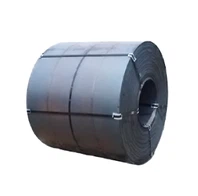
First off, let's talk about what Pipe Line Plate is. It's a type of steel plate used in the construction of pipelines, which are crucial for transporting oil, gas, and other fluids over long distances. There are different grades and types of Pipe Line Plate, like LX560, LX65, and LX56 Pipe Line Plate X60. Each has its own properties and is suitable for different applications.
Factors Affecting Installation Costs
1. Material Costs
The cost of the Pipe Line Plate itself is a significant factor. The price can vary depending on the grade, thickness, and size of the plate. Higher-grade plates, like those with better corrosion resistance or higher strength, usually cost more. For example, a plate with advanced alloying elements to withstand harsh environments will be pricier than a standard one. Also, if you need a large quantity of thick plates, the material cost will go up accordingly.
2. Labor Costs
Installing Pipe Line Plate requires skilled labor. The complexity of the installation process determines how much labor will cost. If the pipeline is in a difficult-to-reach location, like underwater or in a mountainous area, the installation will be more challenging and time-consuming. Workers may need special equipment and training to handle these conditions, which drives up the labor cost. Additionally, the local labor market rates play a role. In areas with a high demand for skilled workers, the labor cost per hour will be higher.
3. Equipment and Tools
Specialized equipment is needed for Pipe Line Plate installation. This includes welding machines, cutting tools, cranes, and transportation vehicles. The cost of renting or purchasing this equipment can add up. For instance, a high-quality welding machine suitable for Pipe Line Plate can be quite expensive. And if the installation site is far from the equipment rental location, transportation costs for the equipment also need to be considered.
4. Site Preparation
Before installing the Pipe Line Plate, the site needs to be prepared. This may involve clearing the land, leveling the ground, and providing proper support structures. If the site has existing obstacles or difficult terrain, more effort and resources will be required for preparation. For example, if there are large rocks or trees in the way, they need to be removed, which adds to the overall cost.
5. Welding and Joining
Welding is a critical part of Pipe Line Plate installation. The quality of the welds directly affects the integrity of the pipeline. Different welding methods have different costs. Some methods require more expensive welding materials and highly skilled welders. Also, post-weld inspection and testing are necessary to ensure the welds meet the required standards. These inspection and testing procedures also contribute to the installation cost.
6. Permits and Regulations
Getting the necessary permits for pipeline installation can be a costly and time-consuming process. Different regions have different regulations regarding pipeline construction. You may need to pay fees for environmental impact studies, safety certifications, and other approvals. Non-compliance with these regulations can result in fines and delays, so it's essential to factor in these costs.
Cost Estimates
It's hard to give an exact figure for Pipe Line Plate installation costs because it varies so much depending on the factors mentioned above. However, I can give you a rough idea. For a small-scale pipeline project in a relatively easy location, the installation cost per meter of Pipe Line Plate might range from a few hundred dollars to a couple of thousand dollars. This includes material, labor, equipment, and other associated costs.
For large-scale projects, especially those in challenging environments, the cost can be significantly higher. It could be several thousand dollars per meter. Keep in mind that these are just ballpark figures, and you'll need to get a detailed quote based on your specific project requirements.
How to Reduce Installation Costs
1. Choose the Right Material
Selecting the appropriate grade and type of Pipe Line Plate for your project can save costs. Don't over-specify the material if you don't need the extra features. For example, if the pipeline will be in a relatively mild environment, you don't need to use the most expensive corrosion-resistant plate.
2. Optimize the Design
A well-designed pipeline can reduce installation costs. Consider factors like the layout, the number of joints, and the ease of access for maintenance. A simpler design with fewer complex bends and joints will be quicker and cheaper to install.


3. Plan Ahead
Proper planning is crucial. Make sure you have all the necessary permits and approvals in place before starting the installation. Plan the equipment rental and labor schedule in advance to avoid last-minute price hikes or delays.
4. Partner with a Reliable Supplier
As a Pipe Line Plate supplier, I can tell you that working with a reliable supplier can make a big difference. A good supplier can offer high-quality plates at a reasonable price and provide technical support during the installation process. They can also help you choose the right material for your project, which can save you money in the long run.
Conclusion
So, there you have it – the main factors that affect the installation costs of Pipe Line Plate. As you can see, it's a complex calculation that depends on many variables. If you're planning a pipeline project and need Pipe Line Plate, I'd be happy to help. Whether you're interested in LX560, LX65, or LX56 Pipe Line Plate X60, I can provide you with detailed information and a competitive quote. Feel free to reach out to me to discuss your project requirements and start the procurement process.
References
- Industry reports on pipeline construction costs
- Technical specifications of Pipe Line Plate materials
- Local labor market data and equipment rental rates