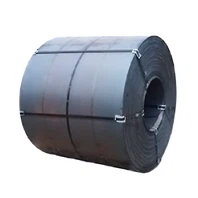
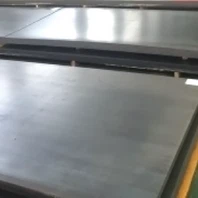
As a supplier of A387GR11CL2, ensuring the quality consistency of this product is of utmost importance to me. A387GR11CL2 is a chromium-molybdenum alloy steel plate used primarily for pressure vessels in elevated-temperature service. In this blog, I will share some key strategies and practices that I employ to guarantee the quality consistency of A387GR11CL2.
Raw Material Sourcing
The foundation of high - quality A387GR11CL2 lies in the selection of raw materials. I work closely with trusted and certified steel mills that have a proven track record of producing high - grade steel. These mills adhere to strict quality control measures during the steelmaking process.
I request detailed material certificates from the steel mills for each batch of raw materials. These certificates include information such as chemical composition, mechanical properties, and heat treatment details. By thoroughly reviewing these certificates, I can verify that the raw materials meet the ASTM A387 standard requirements for GR11CL2. This ensures that the starting point of the production process is of the highest quality.
Manufacturing Process Control
The manufacturing process of A387GR11CL2 involves several critical steps, and each step must be carefully monitored to maintain quality consistency.
Rolling Process
During the rolling process, the temperature, rolling speed, and reduction ratio are precisely controlled. The rolling temperature is crucial as it affects the grain structure and mechanical properties of the steel plate. A proper rolling temperature range helps to achieve the desired strength and toughness of A387GR11CL2. I use advanced temperature sensors and control systems to ensure that the rolling temperature remains within the specified limits.
The rolling speed also plays a significant role. A consistent rolling speed helps to ensure uniform deformation of the steel plate, which in turn leads to consistent mechanical properties across the plate. The reduction ratio, which is the ratio of the initial thickness to the final thickness of the plate, is carefully calculated and controlled to achieve the required thickness and mechanical properties.
Heat Treatment
Heat treatment is another vital step in the production of A387GR11CL2. Normalizing and tempering are the typical heat treatment processes for this grade of steel. Normalizing helps to refine the grain structure of the steel, improving its strength and toughness. Tempering is then carried out to relieve internal stresses and further enhance the ductility of the steel.
I use state - of - the - art heat treatment furnaces that are equipped with precise temperature control systems. The heating rate, holding time, and cooling rate during heat treatment are strictly controlled according to the ASTM A387 standard. Regular calibration of the temperature sensors in the furnaces is also carried out to ensure accurate temperature measurement.
Quality Testing and Inspection
To ensure the quality consistency of A387GR11CL2, comprehensive quality testing and inspection are carried out at various stages of the production process.

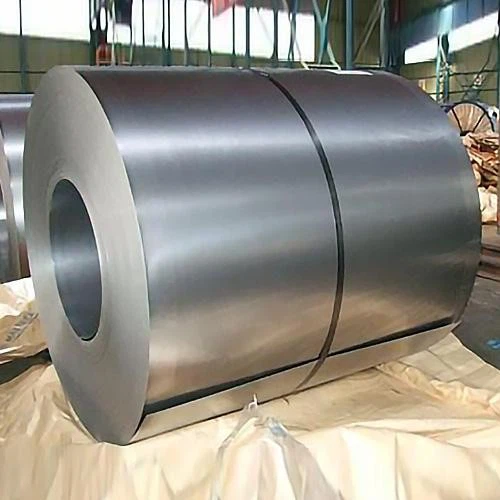
Chemical Composition Analysis
Chemical composition analysis is performed on each batch of A387GR11CL2 using advanced analytical techniques such as spectrometry. This analysis verifies that the chemical composition of the steel plate meets the requirements of the ASTM A387 standard. The main elements in A387GR11CL2, such as carbon, silicon, manganese, phosphorus, sulfur, chromium, and molybdenum, must be within the specified ranges. Any deviation from the standard can affect the mechanical properties and corrosion resistance of the steel plate.
Mechanical Property Testing
Mechanical property testing includes tensile testing, impact testing, and hardness testing. Tensile testing measures the strength and ductility of the steel plate by applying a gradually increasing load until the specimen breaks. Impact testing evaluates the toughness of the steel plate by subjecting it to a sudden impact load. Hardness testing measures the resistance of the steel plate to indentation.
These tests are carried out on samples taken from each batch of A387GR11CL2. The test results are compared with the ASTM A387 standard requirements. If the test results do not meet the standard, the batch is either re - processed or rejected.
Non - Destructive Testing
Non - destructive testing (NDT) methods such as ultrasonic testing, magnetic particle testing, and radiographic testing are also used to detect internal and surface defects in the A387GR11CL2 steel plates. Ultrasonic testing can detect internal flaws such as cracks and inclusions. Magnetic particle testing is used to detect surface and near - surface defects in ferromagnetic materials. Radiographic testing can provide detailed images of internal defects in the steel plate.
Quality Management System
Implementing a robust quality management system is essential for ensuring the quality consistency of A387GR11CL2. I follow the ISO 9001 quality management system standards, which provide a framework for establishing, implementing, maintaining, and improving the quality management system of the organization.
The quality management system includes procedures for document control, internal audits, management reviews, and corrective and preventive actions. Document control ensures that all quality - related documents, such as manufacturing procedures, test reports, and inspection records, are properly maintained and updated. Internal audits are carried out regularly to assess the effectiveness of the quality management system and identify areas for improvement. Management reviews are conducted to evaluate the overall performance of the quality management system and make strategic decisions for quality improvement.
Comparison with Similar Products
When it comes to pressure vessel plates, there are several other grades in the market, such as ASTM A537CL2 SA285GrB, P295GH, and P275NL1. Each of these grades has its own unique properties and applications.
ASTM A537CL2 SA285GrB is a carbon steel plate used for welded pressure vessels. It has good weldability and formability but may have lower strength compared to A387GR11CL2, especially at elevated temperatures. P295GH is a European standard pressure vessel steel plate with specific requirements for chemical composition and mechanical properties. It is suitable for use in pressure vessels operating at medium temperatures. P275NL1 is also a European standard steel plate, which is characterized by its good notch toughness at low temperatures.
Compared to these products, A387GR11CL2 offers better high - temperature strength and corrosion resistance due to the presence of chromium and molybdenum in its chemical composition. However, ensuring its quality consistency requires more strict control in the manufacturing process.
Conclusion
Ensuring the quality consistency of A387GR11CL2 is a complex but essential task. By carefully sourcing raw materials, controlling the manufacturing process, conducting comprehensive quality testing and inspection, and implementing a robust quality management system, I can provide high - quality A387GR11CL2 products to my customers.
If you are in the market for A387GR11CL2 or have any questions about its quality and application, I invite you to contact me for procurement negotiations. I am committed to providing you with the best - quality products and services.
References
- ASTM A387 Standard Specification for Chromium - Molybdenum Alloy Steel Plates for Pressure Vessels
- ISO 9001 Quality management systems - Requirements