Hey there! As an abrasion plate supplier, I often get asked, "How long does an abrasion plate usually last?" Well, the answer isn't as straightforward as you might think. There are several factors that can influence the lifespan of an abrasion plate, and in this blog post, I'm going to break them down for you.
Factors Affecting the Lifespan of Abrasion Plates
1. Material Quality
The quality of the material used to make the abrasion plate is a huge factor. Higher-quality steel plates are generally more resistant to wear and tear. For example, our NM550 and NM600 Abrasion Steel Plate are made from premium materials. These plates have a high hardness level, which means they can withstand more abrasion compared to lower-quality alternatives. The better the material, the longer the plate is likely to last.
2. Operating Conditions
The environment in which the abrasion plate is used plays a crucial role. If the plate is exposed to harsh chemicals, extreme temperatures, or high-pressure conditions, its lifespan will be affected. For instance, in mining operations, abrasion plates are constantly in contact with rough rocks and minerals. This kind of abrasive environment can wear down the plate much faster than in a less demanding setting. Similarly, in a chemical processing plant, the plate may be exposed to corrosive substances that can eat away at the surface.
3. Load and Stress
The amount of load and stress the plate has to bear also impacts its longevity. If the plate is overloaded or subjected to uneven stress, it can lead to premature failure. For example, in a conveyor system, if the material being transported is too heavy or the conveyor moves too fast, the abrasion plate will experience more stress. This can cause cracks and deformations, reducing its lifespan.
4. Maintenance and Care
Proper maintenance can significantly extend the life of an abrasion plate. Regular inspections can help detect early signs of wear and tear, allowing for timely repairs or replacements. Cleaning the plate to remove debris and corrosive substances can also prevent damage. Lubrication, if applicable, can reduce friction and wear. On the other hand, neglecting maintenance can lead to accelerated deterioration.
Typical Lifespan Estimates
Based on our experience and industry standards, here are some rough estimates of how long different types of abrasion plates can last under normal conditions:
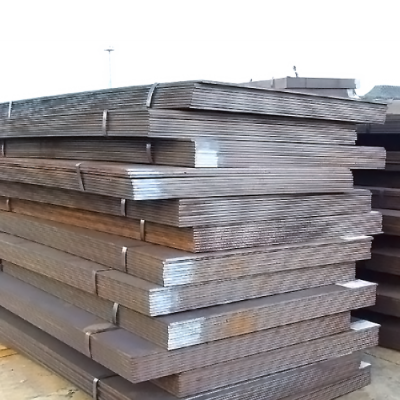

- Low - Grade Abrasion Plates: These plates are usually made from less expensive materials and are suitable for less demanding applications. They can last anywhere from 6 months to 2 years. For example, in a small - scale agricultural operation where the abrasive forces are relatively low, a low - grade plate might serve its purpose for about a year.
- Medium - Grade Abrasion Plates: Such as our NM500 Wear Steel Plate, these are more durable and can last between 2 to 5 years. In a light - industrial setting like a small manufacturing plant, a medium - grade plate can provide reliable service for a few years.
- High - Grade Abrasion Plates: Plates like NM550 and NM600 are designed for the most demanding applications. Under normal conditions, they can last 5 to 10 years or even longer. In large - scale mining or heavy - duty construction projects, these high - grade plates are often the preferred choice due to their long lifespan.
Case Studies
Let's take a look at a couple of real - world examples to illustrate these points.
Case 1: Mining Operation
A mining company was using a low - grade abrasion plate in their ore - handling conveyor system. The plate was exposed to large, rough rocks and high - speed material flow. Despite regular maintenance, the plate started showing signs of significant wear after just 8 months. The company then switched to our NM500 Wear Steel Plate. With proper maintenance, the new plate lasted over 3 years, providing a much more cost - effective solution in the long run.
Case 2: Chemical Processing Plant
In a chemical processing plant, an abrasion plate was exposed to a corrosive chemical solution. The original plate, which was not made of a corrosion - resistant material, started to deteriorate within a year. After replacing it with a high - grade NM600 Abrasion Steel Plate, the plant noticed a significant improvement. The new plate was able to withstand the chemical environment and lasted for over 7 years, reducing the frequency of replacements and downtime.
Conclusion
So, as you can see, there's no one - size - fits - all answer to how long an abrasion plate usually lasts. It depends on a variety of factors, including material quality, operating conditions, load, stress, and maintenance. However, by choosing the right plate for your specific application and taking good care of it, you can maximize its lifespan.
If you're in the market for abrasion plates and want to learn more about which type is best for your needs, or if you have any questions about our products, feel free to reach out. We're here to help you make the right choice and ensure that your operations run smoothly. Contact us to start a conversation about your abrasion plate requirements and let's work together to find the perfect solution for you.
References
- "Wear Resistance of Steels" - A research paper on the properties of different steel grades used in abrasion plates.
- Industry reports on the performance of abrasion plates in various sectors such as mining, manufacturing, and chemical processing.