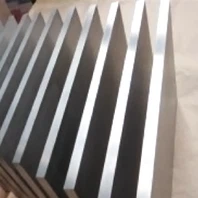
Yo, what's up everyone! I'm a supplier of Pressure Vessel Plate, and today I wanna talk about the elongation rate of Pressure Vessel Plate.
First off, let's get into what elongation rate actually means. Elongation rate is a key mechanical property that shows how much a material can stretch before it breaks. For Pressure Vessel Plates, this is super important. Pressure vessels are used in all sorts of industries, like oil and gas, chemical processing, and power generation. They have to handle high pressure and different environmental conditions. A good elongation rate means the plate can withstand deformation under stress without failing suddenly.
Now, different types of Pressure Vessel Plates have different elongation rates. Take astm a537 16Mo3 for example. This type of plate is known for its good combination of strength and ductility. The 16Mo3 grade is often used in applications where the vessel needs to operate at elevated temperatures. The elongation rate of astm a537 16Mo3 is typically around 22 - 25%. This means that when a test specimen of this plate is pulled under tension, it can stretch by 22 - 25% of its original length before it fractures.
Another popular type is SA285GrA. SA285GrA is a carbon steel plate that's used in low- and intermediate-pressure vessels. It's a cost - effective option for many applications. The elongation rate of SA285GrA is usually in the range of 24 - 27%. This relatively high elongation rate makes it suitable for vessels that might experience some degree of bending or deformation during their service life.
Then there's SA516GR70. SA516GR70 is a widely used pressure vessel plate, especially for vessels that contain liquids and gases at moderate temperatures. It has excellent weldability and impact resistance. The elongation rate of SA516GR70 is about 21 - 26%. This range allows the plate to handle the stresses and strains associated with pressure changes inside the vessel.
The elongation rate is affected by several factors. One of the main factors is the chemical composition of the plate. For instance, the amount of carbon, manganese, and other alloying elements can have a big impact. Carbon can increase the strength of the steel but may reduce its ductility and elongation rate. Manganese, on the other hand, can improve the toughness and also have a positive effect on the elongation.
The manufacturing process also plays a crucial role. Processes like rolling, heat treatment, and cooling rates can all change the microstructure of the plate, which in turn affects its mechanical properties, including the elongation rate. For example, a well - controlled heat treatment can refine the grain structure of the steel, leading to better ductility and a higher elongation rate.
Testing the elongation rate is a standard procedure in the quality control of Pressure Vessel Plates. A test specimen is taken from the plate and placed in a tensile testing machine. The machine gradually applies a pulling force until the specimen breaks. The change in length of the specimen is measured, and the elongation rate is calculated as a percentage of the original length.
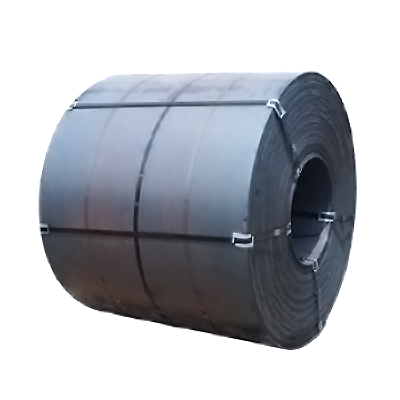
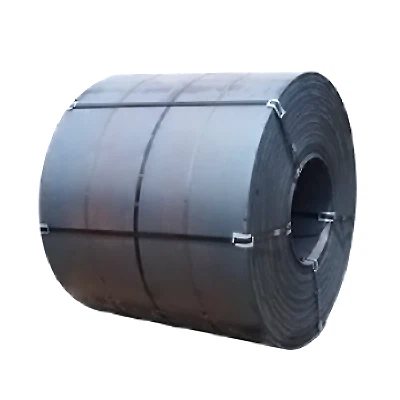
When you're choosing a Pressure Vessel Plate, the elongation rate is something you really need to consider. If the vessel is going to be subjected to a lot of deformation or if it's in an environment where there are sudden pressure changes, you'll want a plate with a higher elongation rate. This way, you can be more confident that the vessel will be able to handle the stresses without failing.
As a supplier, I know how important it is to provide high - quality Pressure Vessel Plates. I work with top - notch manufacturers who follow strict quality control procedures to ensure that the plates meet or exceed the required standards for elongation rate and other mechanical properties.
If you're in the market for Pressure Vessel Plates, whether it's astm a537 16Mo3, SA285GrA, SA516GR70, or other types, I'd be more than happy to help you out. We can have a detailed discussion about your specific requirements, and I can provide you with the best - suited plates for your project. So, don't hesitate to reach out for a procurement discussion.
References:
- "Pressure Vessel Design Manual"
- "Handbook of Steel Plates for Pressure Vessels"