Can ASTM A537CL2 be used in marine environments?
As a supplier of ASTM A537CL2, I often encounter inquiries from customers about the suitability of this steel grade for marine applications. The marine environment is a harsh one, characterized by high humidity, saltwater exposure, and varying temperatures, which pose significant challenges to the materials used in it. In this blog, I will delve into the properties of ASTM A537CL2 and analyze whether it can be effectively used in marine environments.
Properties of ASTM A537CL2
ASTM A537CL2 is a quenched and tempered carbon - manganese - silicon steel plate used primarily for pressure vessels. It has excellent mechanical properties, including high strength and good toughness. The steel is designed to have a minimum yield strength of 310 MPa (45 ksi) and a minimum tensile strength of 485 MPa (70 ksi). These strength characteristics make it suitable for applications where the material needs to withstand high internal pressures.
In terms of chemical composition, ASTM A537CL2 typically contains elements such as carbon, manganese, silicon, sulfur, and phosphorus within specific limits. The carbon content is usually in the range of 0.20% maximum, which helps to maintain a good balance between strength and weldability. Manganese is present to enhance the hardenability and strength of the steel, while silicon improves the deoxidation process during steelmaking.
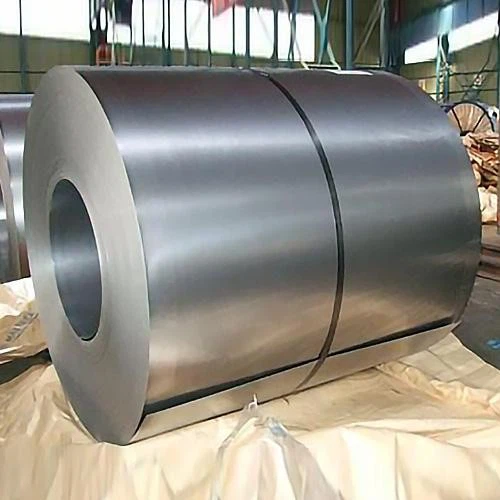
Challenges in Marine Environments
The marine environment presents several challenges to materials. Saltwater is highly corrosive due to the presence of chloride ions. These ions can break down the passive oxide layer on the surface of the steel, leading to the initiation and propagation of corrosion. Additionally, the constant exposure to moisture and oxygen accelerates the corrosion process.
Another challenge is the mechanical stress caused by waves, tides, and the movement of the vessel. The steel used in marine applications needs to be able to withstand these dynamic loads without cracking or failing. Moreover, the temperature variations in the marine environment, from cold polar waters to warm tropical seas, can also affect the performance of the material.
Corrosion Resistance of ASTM A537CL2
ASTM A537CL2 is not a stainless steel, and as such, it does not have inherent high - level corrosion resistance like stainless steels. However, its corrosion resistance can be improved through proper surface treatment and coating. For example, applying a high - quality anti - corrosion paint system can provide a barrier between the steel and the corrosive marine environment.
There are also sacrificial anodes that can be used in combination with ASTM A537CL2. Sacrificial anodes are made of more active metals such as zinc or aluminum. They corrode preferentially, protecting the steel from corrosion. This cathodic protection method is widely used in marine structures to extend the service life of the steel.
Mechanical Performance in Marine Conditions
The high strength and good toughness of ASTM A537CL2 make it capable of withstanding the mechanical stresses in marine environments. The steel's ability to resist deformation under load is crucial for applications such as shipbuilding and offshore platforms. For instance, in the construction of ship hulls, the steel needs to be able to withstand the pressure of the water and the impact of waves.
However, it is important to note that the long - term exposure to the dynamic loads in the marine environment may cause fatigue in the steel. Fatigue cracks can initiate and grow over time, potentially leading to structural failure. Therefore, proper design and maintenance are essential to ensure the safe use of ASTM A537CL2 in marine applications.
Comparison with Other Steels Used in Marine Environments
When considering the use of ASTM A537CL2 in marine environments, it is useful to compare it with other commonly used steels. For example, P275NL1 is a steel grade often used in pressure vessel and marine applications. P275NL1 has good weldability and toughness, similar to ASTM A537CL2. However, its corrosion resistance may also need to be enhanced through coating and cathodic protection.
ASTM A537CL2 SA285GrB is another steel grade used in pressure vessel construction. SA285GrB is a lower - strength steel compared to ASTM A537CL2. In marine applications where higher strength is required, ASTM A537CL2 may be a better choice.
SA387GR11 A387 steel plate is a chromium - molybdenum alloy steel. It has better high - temperature and corrosion resistance compared to ASTM A537CL2. However, it is also more expensive. The choice between these steels depends on the specific requirements of the marine project, including the level of corrosion resistance, strength, and cost.
Case Studies of ASTM A537CL2 in Marine Applications
There have been some cases where ASTM A537CL2 has been used in marine - related structures. In some small - scale shipbuilding projects, ASTM A537CL2 has been used for the construction of internal structures such as bulkheads and decks. With proper surface treatment and maintenance, these structures have shown satisfactory performance over a certain period.
In offshore platforms, ASTM A537CL2 has been used in some non - critical components. The high strength of the steel allows for the design of lighter structures, which can reduce the overall weight and cost of the platform. However, continuous monitoring and inspection are necessary to detect any signs of corrosion or fatigue.
Conclusion
In conclusion, ASTM A537CL2 can be used in marine environments, but it requires proper surface treatment, cathodic protection, and design considerations. Its high strength and good toughness make it suitable for withstanding the mechanical stresses in the marine environment. However, its relatively low inherent corrosion resistance needs to be addressed through appropriate protective measures.
If you are considering using ASTM A537CL2 for your marine project, I encourage you to contact me for more detailed information. Our team of experts can provide you with technical support and advice on the best practices for using ASTM A537CL2 in marine applications. Whether it is about the selection of the right coating system or the design of the structure, we are here to assist you in making the most informed decision.
References
- ASM Handbook Volume 13A: Corrosion: Fundamentals, Testing, and Protection.
- ASTM International Standards for A537CL2 steel.
- Shipbuilding and Offshore Structures Design and Construction Guidelines.