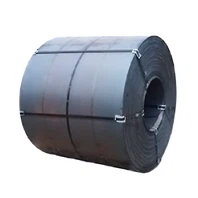
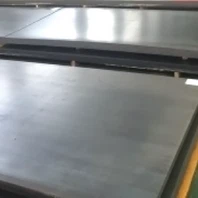
Hey there! I'm a supplier of high strength plates, and I've been thinking a lot about how we can cut down on the environmental impact of our production. It's a big challenge, but I'm confident we can make some real progress. So, let's dive into some ways we can make high strength plate production more eco - friendly.
1. Raw Material Sourcing
The first step in reducing the environmental footprint of high strength plate production is to be smart about where we get our raw materials. Instead of just going for the cheapest option, we should look for suppliers who follow sustainable mining practices.
Sustainable mining means minimizing the damage to the land, reducing water pollution, and taking steps to protect local ecosystems. For example, some mines are using advanced technologies to extract minerals more efficiently, which reduces the amount of waste generated. By partnering with these responsible suppliers, we can ensure that the raw materials used in our high strength plates, like S460QL1 690ql Plate, S690QL, and S690QL1, come from a clean and sustainable source.
Another option is to increase the use of recycled materials. Recycling steel reduces the need for new mining, which in turn saves energy and reduces greenhouse gas emissions. In fact, recycling steel can save up to 75% of the energy required to produce new steel from raw materials. We can set up a system to collect and recycle scrap steel from our production process and other sources. This not only helps the environment but also reduces our production costs in the long run.
2. Energy Efficiency in Production
Energy consumption is a major contributor to the environmental impact of high strength plate production. To tackle this issue, we need to focus on improving energy efficiency in our manufacturing processes.
One way to do this is by upgrading our equipment. Old machinery often consumes more energy than newer, more efficient models. By investing in state - of - the - art furnaces, rolling mills, and other production equipment, we can significantly reduce energy consumption. For example, modern electric arc furnaces are much more energy - efficient than traditional blast furnaces and can use a higher percentage of recycled steel.
We can also implement energy management systems in our factories. These systems monitor and control energy use in real - time, allowing us to identify areas where energy is being wasted and take corrective action. Simple measures like turning off equipment when it's not in use, optimizing production schedules to reduce idle time, and improving insulation in our buildings can also make a big difference.
Renewable energy sources are another great option. We can install solar panels on the roofs of our factories or purchase renewable energy credits to power our operations. By using clean energy, we can reduce our reliance on fossil fuels and cut down on greenhouse gas emissions.
3. Waste Reduction and Recycling
Waste management is a crucial part of reducing the environmental impact of high strength plate production. During the manufacturing process, we generate a lot of waste, including scrap metal, slag, and dust.
We should have a comprehensive waste management plan in place. First, we need to separate different types of waste at the source. Scrap metal can be recycled back into the production process, as mentioned earlier. Slag, which is a by - product of steelmaking, can be used in the construction industry as a substitute for cement or aggregate.
Dust and other fine particles can be collected and treated to prevent them from being released into the environment. We can install dust collection systems in our factories to capture these particles and then reuse or dispose of them safely.
In addition to recycling our own waste, we can also look for opportunities to collaborate with other industries. For example, some industries may be able to use our waste products as raw materials for their own production processes. This creates a circular economy where waste is minimized, and resources are used more efficiently.
4. Water Conservation
Water is another important resource in high strength plate production. We use water for cooling, cleaning, and other processes. To reduce our water consumption, we can implement water conservation measures.
One approach is to install water - recycling systems. These systems collect and treat used water so that it can be reused in the production process. For example, water used for cooling can be treated and reused instead of being discharged into the environment.
We can also optimize our water use by improving our production processes. For example, using more efficient cooling technologies that require less water or reducing the frequency of cleaning operations can help conserve water.
In addition, we should monitor water quality in our factories and ensure that any wastewater we discharge meets environmental standards. By treating wastewater before it's released, we can protect local water sources and aquatic ecosystems.
5. Transportation and Logistics
The transportation of high strength plates from the factory to the customer also has an environmental impact. To reduce this impact, we can optimize our transportation and logistics operations.
We can work with our customers to plan more efficient delivery routes. By consolidating shipments and using larger vehicles, we can reduce the number of trips and, therefore, the amount of fuel consumed. For example, instead of making multiple small deliveries, we can group orders together and make one large delivery.
Another option is to use more fuel - efficient vehicles. We can invest in trucks and other transportation equipment that are powered by alternative fuels, such as natural gas or electricity. These vehicles produce fewer emissions than traditional diesel - powered vehicles.
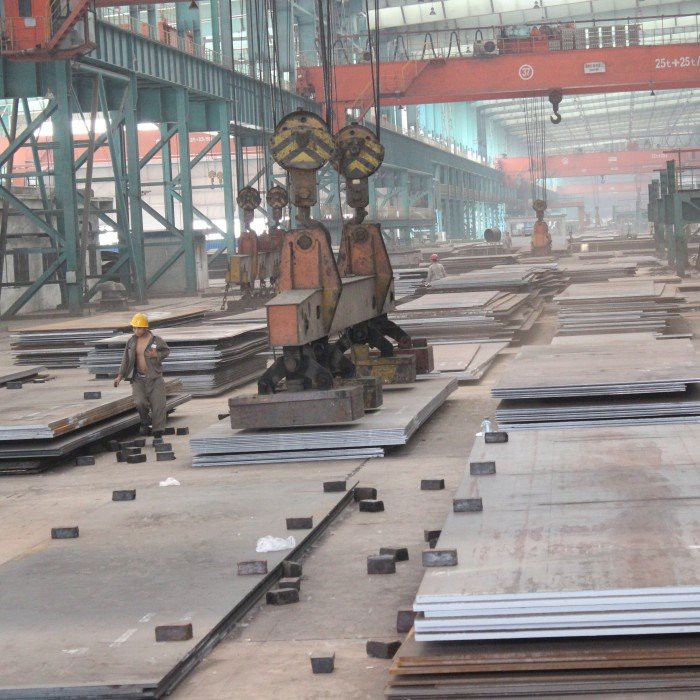
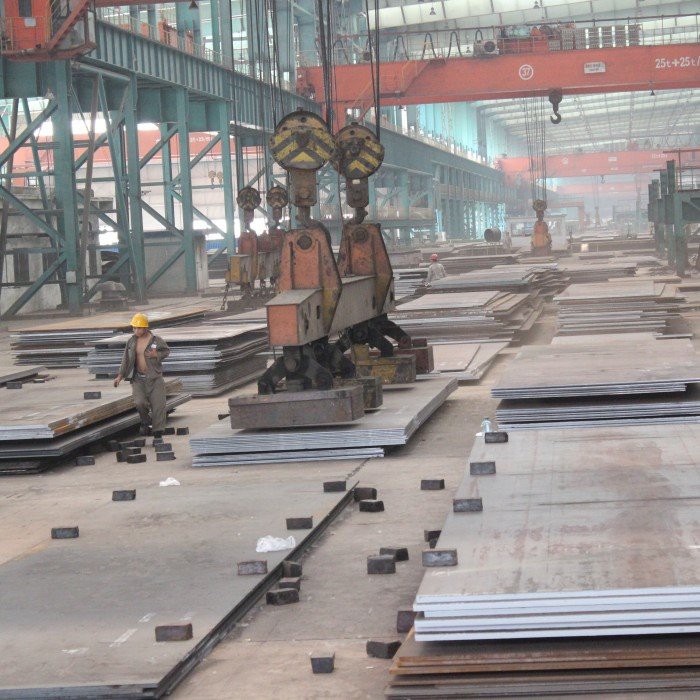
We can also explore the possibility of local production and distribution. By setting up production facilities closer to our customers, we can reduce the distance that the plates need to be transported, which in turn reduces the environmental impact of transportation.
Why It Matters
Reducing the environmental impact of high strength plate production isn't just good for the planet; it's also good for business. Consumers are becoming more environmentally conscious and are more likely to choose products from companies that are committed to sustainability. By implementing these eco - friendly practices, we can improve our brand image, attract more customers, and gain a competitive edge in the market.
In addition, as governments around the world are tightening environmental regulations, companies that proactively reduce their environmental impact are less likely to face fines and other penalties. This can save us money in the long run and ensure the long - term viability of our business.
Let's Talk
If you're interested in our high strength plates and want to learn more about our sustainable production practices, I'd love to hear from you. Whether you're in the construction, automotive, or any other industry that uses high strength plates, we can work together to find the best solutions for your needs. So, don't hesitate to reach out and start a conversation about procurement.
References
- "Sustainable Steel Production: A Review of Current Practices and Future Trends" by Journal of Sustainable Manufacturing
- "Energy Efficiency in the Steel Industry" by International Energy Agency
- "Waste Management in Metal Production" by Environmental Science and Technology Journal