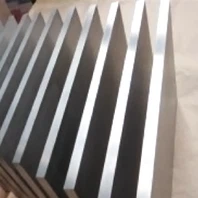
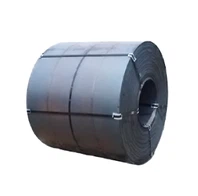
Abrasion plates are essential components in many industries, including mining, construction, and manufacturing. They are used to protect equipment and structures from wear and tear caused by friction, impact, and abrasion. Choosing the right abrasion plate is crucial to ensure the longevity and efficiency of your equipment. As a leading abrasion plate supplier, I have extensive experience in helping customers select the most suitable plates for their specific applications. In this blog post, I will share some key factors to consider when choosing an abrasion plate.
Understanding Your Application
The first step in choosing the right abrasion plate is to understand your specific application. Different industries and equipment have different requirements for abrasion resistance, impact resistance, and other properties. For example, in the mining industry, where equipment is exposed to harsh conditions and heavy loads, you may need a plate with high abrasion and impact resistance. On the other hand, in a manufacturing environment where precision and smooth operation are important, you may require a plate with a lower coefficient of friction.

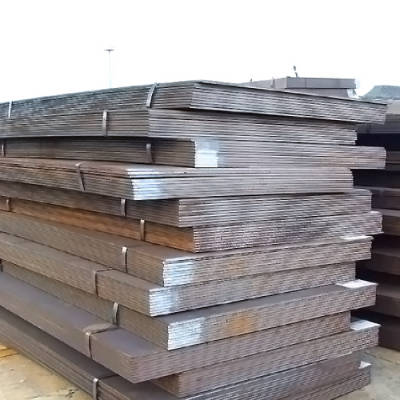
Consider the following aspects of your application:
- Type of abrasion: Is it sliding abrasion, impact abrasion, or a combination of both? Sliding abrasion occurs when two surfaces slide against each other, while impact abrasion happens when an object strikes a surface. Different types of abrasion require different types of abrasion plates.
- Load and stress: How much weight and stress will the plate be subjected to? High loads and stresses may require a thicker and stronger plate.
- Environmental conditions: Are there any specific environmental factors, such as temperature, humidity, or chemical exposure, that could affect the performance of the plate?
Material Selection
Once you have a clear understanding of your application, the next step is to select the appropriate material for your abrasion plate. There are several types of materials available, each with its own unique properties and advantages.
- High-strength steel: High-strength steel is a popular choice for abrasion plates due to its excellent combination of strength, toughness, and abrasion resistance. It can withstand high loads and impacts, making it suitable for heavy-duty applications. NM360 Abrasion Resistant Plate is a type of high-strength steel abrasion plate that offers good abrasion resistance and is widely used in various industries.
- Hardened steel: Hardened steel plates are heat-treated to increase their hardness and abrasion resistance. They are ideal for applications where high wear resistance is required, such as in mining equipment and crushers. NM550 is a hardened steel abrasion plate with a high hardness level, providing excellent abrasion resistance in severe wear conditions.
- Alloy steel: Alloy steel plates contain additional alloying elements, such as chromium, nickel, and molybdenum, which enhance their strength, toughness, and corrosion resistance. They are suitable for applications where both abrasion and corrosion resistance are needed, such as in marine and chemical industries.
- Ceramic composite: Ceramic composite plates consist of ceramic particles embedded in a metal matrix. They offer extremely high abrasion resistance and are often used in applications where traditional metal plates may not be sufficient, such as in high-speed grinding and sandblasting equipment.
Plate Thickness and Dimensions
The thickness and dimensions of the abrasion plate are also important considerations. The thickness of the plate should be determined based on the expected wear rate and the load it will carry. A thicker plate will generally provide better abrasion resistance and longer service life, but it may also be more expensive and heavier.
In addition to thickness, you also need to consider the dimensions of the plate, such as length, width, and shape. Make sure the plate can be easily installed and fit into your equipment or structure. Some abrasion plates can be customized to meet specific size and shape requirements.
Surface Finish
The surface finish of the abrasion plate can affect its performance and appearance. A smooth surface finish can reduce friction and wear, while a rough surface finish may provide better grip and traction. Depending on your application, you may choose a plate with a specific surface finish, such as a polished finish for a smooth operation or a textured finish for increased grip.
Cost and Availability
Cost is always a factor when choosing an abrasion plate. While it is important to select a plate that meets your performance requirements, you also need to consider your budget. Compare the prices of different materials and suppliers to find the best value for your money.
In addition to cost, availability is also an important consideration. Make sure the supplier can provide the plate in the required quantity and within the desired timeframe. A reliable supplier with a large inventory can ensure timely delivery and minimize downtime.
Quality and Certification
When purchasing an abrasion plate, it is essential to ensure that it meets the required quality standards. Look for a supplier who can provide quality certificates and test reports for their products. These documents can verify the material composition, mechanical properties, and abrasion resistance of the plate.
Conclusion
Choosing the right abrasion plate is a critical decision that can have a significant impact on the performance and longevity of your equipment. By understanding your application, selecting the appropriate material, considering the plate thickness and dimensions, surface finish, cost, availability, and quality, you can make an informed choice.
As an abrasion plate supplier, I am committed to providing high-quality products and professional advice to help you find the best abrasion plate for your needs. If you have any questions or need assistance in selecting an abrasion plate, please feel free to contact me. We can discuss your specific requirements and work together to find the most suitable solution for your application.
References
- ASM Handbook Volume 1: Properties and Selection: Irons, Steels, and High-Performance Alloys
- Wear Control Handbook: Second Edition
- Steel Structures Design Manual