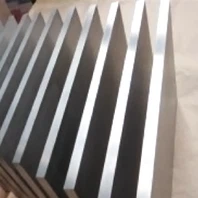
As a seasoned supplier of A387 steel plates, I often encounter inquiries regarding the manufacturing processes applicable to this high - performance material. One of the most frequently asked questions is, "Can A387 steel plate be hot - rolled?" In this blog post, I'll delve into the details of A387 steel plates, explain the hot - rolling process, and clarify whether this process can be applied to A387 steel plates.
Understanding A387 Steel Plates
A387 steel plates are primarily used in pressure vessels and industrial furnaces operating at elevated temperatures. These plates are made of chromium - molybdenum alloy steel, which provides excellent strength, toughness, and resistance to corrosion and oxidation at high temperatures. The A387 standard encompasses different grades, such as Grade 2, Grade 11, Grade 22, etc., each with specific chemical compositions and mechanical properties to meet various application requirements.
For instance, the SA387GR11 A387 steel plate is widely used in the petrochemical industry due to its good creep resistance and high - temperature strength. The chemical composition of A387 steel plates typically includes elements like carbon, silicon, manganese, phosphorus, sulfur, chromium, and molybdenum. The precise combination of these elements determines the plate's performance characteristics.
The Hot - Rolling Process
Hot - rolling is a metalworking process in which metal is heated above its recrystallization temperature and then rolled into the desired shape. This process offers several advantages. Firstly, it reduces the energy required for deformation compared to cold - rolling because the metal is more malleable at high temperatures. Secondly, hot - rolled products usually have a more uniform grain structure, which enhances their mechanical properties.
During the hot - rolling process, large steel ingots or billets are first heated in a reheating furnace to a temperature typically between 1100°C and 1300°C. Once the metal reaches the appropriate temperature, it is passed through a series of rolling mills. These mills gradually reduce the thickness of the metal and shape it into the desired dimensions, such as plates, sheets, or bars.
Can A387 Steel Plates Be Hot - Rolled?
The answer is yes. A387 steel plates can indeed be hot - rolled. In fact, hot - rolling is one of the most common manufacturing methods for producing A387 steel plates. There are several reasons for this.
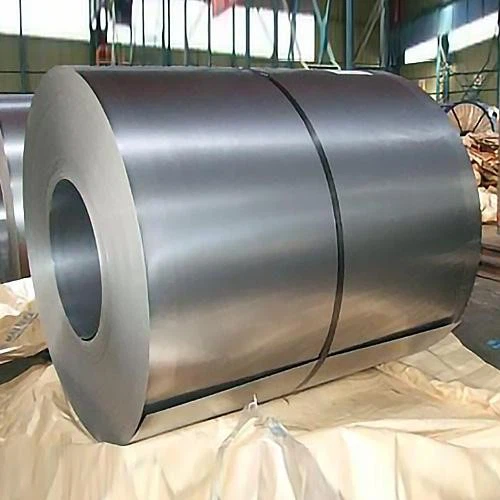
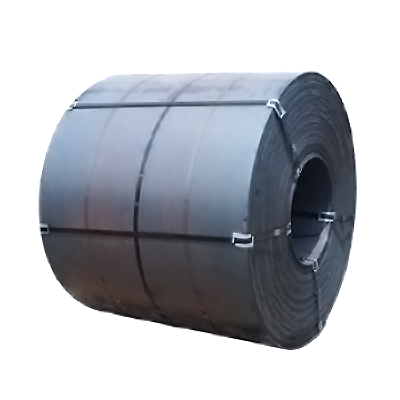
1. Enhanced Formability
As mentioned earlier, A387 steel plates are made of chromium - molybdenum alloy steel. At high temperatures, the alloying elements in the steel contribute to its increased formability. This allows the steel to be easily shaped into large - sized plates during the hot - rolling process. For example, when producing thick A387 steel plates for large - scale pressure vessels, hot - rolling can effectively reduce the thickness of the steel billet while maintaining its integrity.
2. Improved Mechanical Properties
Hot - rolling helps to refine the grain structure of A387 steel plates. When the steel is rolled at high temperatures, the grains are deformed and then recrystallized, resulting in a finer and more uniform grain size. This refined grain structure improves the plate's strength, toughness, and ductility. For instance, a hot - rolled A387 steel plate may have better impact resistance compared to a plate with a coarser grain structure.
3. Cost - Efficiency
Hot - rolling is a relatively cost - effective manufacturing process. Since the steel is more malleable at high temperatures, less force is required to deform it. This reduces the wear and tear on the rolling equipment and lowers the energy consumption during production. As a result, the overall production cost of hot - rolled A387 steel plates is relatively low, making them more competitive in the market.
Quality Control in Hot - Rolling A387 Steel Plates
While hot - rolling is a suitable process for A387 steel plates, strict quality control measures must be implemented to ensure the final product meets the required standards.
1. Temperature Control
Maintaining the correct rolling temperature is crucial. If the temperature is too low, the steel may not be malleable enough, leading to cracking or uneven deformation. On the other hand, if the temperature is too high, the steel may experience excessive oxidation, which can affect its surface quality and mechanical properties. Therefore, accurate temperature monitoring and control systems are used during the hot - rolling process.
2. Chemical Composition Control
The chemical composition of A387 steel plates must be strictly controlled. During the melting and refining stages before hot - rolling, precise amounts of alloying elements are added to ensure the steel meets the specified chemical composition requirements. Any deviation in the chemical composition can significantly affect the plate's performance.
3. Post - Rolling Heat Treatment
After hot - rolling, A387 steel plates often undergo post - rolling heat treatment, such as normalizing or tempering. These heat treatment processes help to further improve the plate's mechanical properties and relieve internal stresses. For example, normalizing can refine the grain structure and improve the plate's hardness and toughness, while tempering can reduce the brittleness and improve the ductility.
Comparison with Other Manufacturing Processes
While hot - rolling is a popular method for producing A387 steel plates, it's worth comparing it with other manufacturing processes, such as cold - rolling.
1. Cold - Rolling
Cold - rolling is performed at room temperature or slightly above. Cold - rolled A387 steel plates generally have a smoother surface finish and more precise dimensions compared to hot - rolled plates. However, cold - rolling requires more energy and force because the steel is less malleable at lower temperatures. Additionally, cold - rolling can introduce internal stresses in the steel, which may require additional heat treatment to relieve.
2. Forging
Forging is another manufacturing process that can be used to produce A387 steel components. Forging involves shaping the metal by applying compressive forces. Forged A387 steel parts often have higher strength and better fatigue resistance compared to hot - rolled plates. However, forging is a more labor - intensive and expensive process, and it is usually used for producing smaller, high - precision components rather than large - scale plates.
Applications of Hot - Rolled A387 Steel Plates
Hot - rolled A387 steel plates have a wide range of applications in various industries.
1. Petrochemical Industry
In the petrochemical industry, A387 steel plates are used to manufacture pressure vessels, reactors, and heat exchangers. These components often operate at high temperatures and pressures, and the high - temperature strength and corrosion resistance of hot - rolled A387 steel plates make them an ideal choice.
2. Power Generation Industry
In power plants, A387 steel plates are used in boilers and other high - temperature equipment. The plates' ability to withstand high temperatures and pressure fluctuations ensures the safe and efficient operation of the power generation facilities.
3. Industrial Furnaces
Hot - rolled A387 steel plates are also used in the construction of industrial furnaces. Their resistance to oxidation and high - temperature strength make them suitable for lining the furnace walls and other components that are exposed to extreme heat.
Conclusion
In conclusion, A387 steel plates can be hot - rolled, and this process offers numerous advantages, including enhanced formability, improved mechanical properties, and cost - efficiency. As a supplier of A387 steel plates, I understand the importance of providing high - quality products that meet the diverse needs of our customers. Whether you need P275NL1 or astm a537 16Mo3 steel plates, we have the expertise and resources to supply you with the right materials.
If you're interested in purchasing A387 steel plates or have any questions about our products and services, please feel free to contact us for further discussion and procurement negotiation. We look forward to serving you and meeting your steel plate requirements.
References
- ASME Boiler and Pressure Vessel Code, Section II, Part A - Ferrous Material Specifications
- ASTM A387/A387M - 21 Standard Specification for Pressure Vessel Plates, Alloy Steel, Chromium - Molybdenum
- "Metallurgy and Mechanics of Welding" by John Norrish