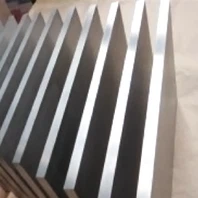
ASTM A537 is a crucial standard for carbon steel plates used in pressure vessels, which are widely applied in various industries such as oil and gas, chemical processing, and power generation. As a reliable supplier of ASTM A537 steel plates, I am well - versed in the standards that govern its production. In this blog, I will delve into the key aspects of these standards to provide a comprehensive understanding for potential customers.
Chemical Composition Requirements
The chemical composition of ASTM A537 steel plates is strictly regulated to ensure the desired mechanical properties. The standard specifies limits for various elements, including carbon (C), manganese (Mn), phosphorus (P), sulfur (S), silicon (Si), and others.
Carbon is a fundamental element that affects the strength and hardness of the steel. For ASTM A537 Class 1, the maximum carbon content is typically set at 0.27%, while for Class 2 and Class 3, it is 0.24%. A lower carbon content in Class 2 and 3 is beneficial for improving weldability and toughness, which are essential for pressure vessel applications.
Manganese is added to enhance the strength and hardenability of the steel. The manganese content in ASTM A537 plates usually ranges from 0.70% to 1.60%, depending on the class. Phosphorus and sulfur are considered impurities, and their maximum limits are set at 0.035% and 0.035% respectively. Low levels of these elements help to improve the ductility and toughness of the steel, as well as its resistance to cracking during welding and forming processes.
Silicon is another important element that contributes to the strength and deoxidation of the steel. The silicon content in ASTM A537 plates is typically in the range of 0.15% - 0.50%. Other elements such as nickel (Ni), chromium (Cr), and molybdenum (Mo) may also be present in trace amounts, and their content is carefully controlled to meet the specific requirements of the application.
Mechanical Properties
The mechanical properties of ASTM A537 steel plates are of utmost importance for their performance in pressure vessel applications. The standard defines minimum requirements for yield strength, tensile strength, elongation, and impact toughness.
The yield strength is the stress at which the steel begins to deform plastically. For ASTM A537 Class 1, the minimum yield strength is 310 MPa (45 ksi), while for Class 2 and Class 3, it is 345 MPa (50 ksi). The tensile strength is the maximum stress that the steel can withstand before fracture. The minimum tensile strength for all classes of ASTM A537 plates is 485 MPa (70 ksi).
Elongation is a measure of the ability of the steel to deform plastically before breaking. The standard requires a minimum elongation of 20% in a 2 - inch (50.8 mm) gauge length for all classes of ASTM A537 plates. This ensures that the steel has sufficient ductility to withstand the stresses and strains encountered during the fabrication and service of pressure vessels.
Impact toughness is a critical property for pressure vessel steels, especially in applications where the vessel may be subjected to dynamic loading or low - temperature conditions. ASTM A537 plates are required to meet specific impact toughness requirements, which are typically determined by Charpy V - notch impact tests. The minimum impact energy values vary depending on the class and the test temperature. For example, at a test temperature of - 29°C (- 20°F), the minimum impact energy for ASTM A537 Class 2 plates is 27 J (20 ft - lb).
Heat Treatment
Heat treatment is an essential process in the production of ASTM A537 steel plates. It is used to achieve the desired microstructure and mechanical properties of the steel. There are different heat treatment methods for ASTM A537 plates, depending on the class.
ASTM A537 Class 1 plates are usually normalized, which involves heating the steel to a temperature above the critical range and then cooling it in air. Normalizing helps to refine the grain structure of the steel, improve its strength and toughness, and eliminate internal stresses.
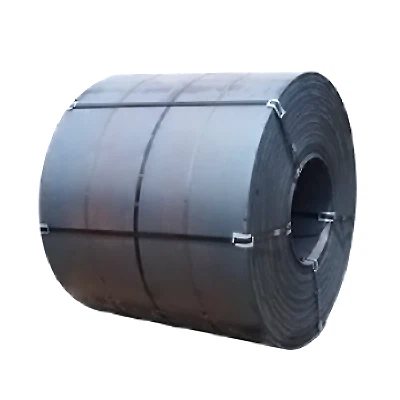
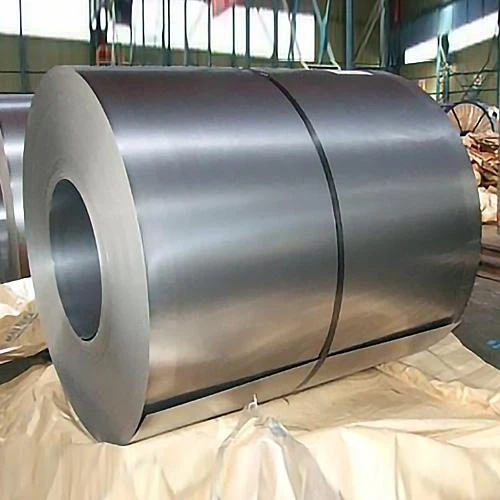
ASTM A537 Class 2 plates are quenched and tempered. Quenching involves heating the steel to a high temperature and then rapidly cooling it in a quenching media such as water or oil. This produces a hard and brittle martensitic structure, which is then tempered by reheating the steel to a lower temperature and holding it for a specific time. Tempering reduces the brittleness of the martensite and improves the ductility and toughness of the steel.
ASTM A537 Class 3 plates are also quenched and tempered, but they are subjected to more stringent heat treatment conditions to achieve higher strength and toughness. The heat treatment process for Class 3 plates is carefully controlled to ensure that the desired mechanical properties are met.
Manufacturing and Testing
The manufacturing process of ASTM A537 steel plates is closely monitored to ensure compliance with the standard. The plates are usually produced by hot rolling, which involves passing the steel through a series of rollers at high temperatures to reduce its thickness and improve its surface finish.
After hot rolling, the plates are subjected to various testing procedures to verify their chemical composition, mechanical properties, and quality. Chemical analysis is performed using techniques such as spectroscopy to ensure that the chemical composition of the plate meets the requirements of the standard. Mechanical testing includes tensile tests, impact tests, and hardness tests to determine the mechanical properties of the plate.
Non - destructive testing methods such as ultrasonic testing (UT), magnetic particle testing (MT), and radiographic testing (RT) are also used to detect internal and surface defects in the plates. These tests help to ensure the integrity and safety of the pressure vessels made from ASTM A537 plates.
Comparison with Other Pressure Vessel Steels
When considering pressure vessel steels, it is important to compare ASTM A537 with other commonly used steels such as SA285GrA, SA387GR11 A387 steel plate, and P335GH Pressure Plate SA516GR70.
SA285GrA is a carbon steel plate used for general - purpose pressure vessels. It has a lower strength compared to ASTM A537, with a minimum yield strength of 205 MPa (30 ksi). SA285GrA is suitable for applications where the pressure and temperature requirements are relatively low.
SA387GR11 is a chromium - molybdenum alloy steel plate used for high - temperature pressure vessels. It has higher strength and better creep resistance compared to ASTM A537, but it is also more expensive. SA387GR11 is commonly used in applications such as power plants and petrochemical refineries where the vessels are exposed to high temperatures and pressures.
P335GH and SA516GR70 are also widely used pressure vessel steels. P335GH is a European standard steel plate, while SA516GR70 is an American standard. Both steels have good weldability and toughness, and they are suitable for a wide range of pressure vessel applications. Compared to ASTM A537, these steels may have different chemical compositions and mechanical properties, depending on the specific requirements of the application.
Conclusion
In conclusion, the production of ASTM A537 steel plates is governed by strict standards for chemical composition, mechanical properties, heat treatment, and manufacturing processes. These standards ensure that the plates have the necessary strength, toughness, and weldability for pressure vessel applications. As a supplier of ASTM A537 steel plates, I am committed to providing high - quality products that meet or exceed the requirements of the standard.
If you are in the market for ASTM A537 steel plates or have any questions about their application, I encourage you to contact me for further information and to discuss your specific requirements. We can work together to find the best solution for your pressure vessel needs.
References
- ASTM International. ASTM A537/A537M - 18: Standard Specification for Pressure Vessel Plates, Heat - Treated, Carbon - Manganese - Silicon Steel.
- ASME Boiler and Pressure Vessel Code. Section II, Part A: Ferrous Material Specifications.
- Welding Handbook, Volume 1: Welding Science and Technology, American Welding Society.