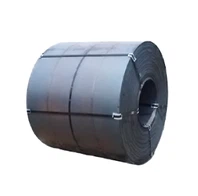
As a seasoned supplier of cladding steel plates, I've witnessed firsthand the diverse applications and requirements across various industries. The choice of cladding material on steel plates can significantly impact the performance, durability, and cost - effectiveness of the final product. In this blog, I'll delve into the performance comparisons between different cladding materials on steel plates, offering insights that can help you make an informed decision for your next project.
1. Understanding Cladding on Steel Plates
Cladding is a process where a layer of one material is bonded to the surface of another, typically a base steel plate. The purpose of cladding can range from enhancing corrosion resistance and wear resistance to improving aesthetic appeal. The cladding material can be stainless steel, aluminum, copper, or other alloys, each with its own unique properties.
2. Corrosion Resistance
One of the most critical factors in choosing a cladding material is its corrosion resistance. Different environments pose different corrosion challenges, and the cladding material must be able to withstand these conditions.
Stainless Steel Cladding
Stainless steel is a popular choice for cladding due to its excellent corrosion resistance. For example, S355JR + 304L is a combination where the 304L stainless steel cladding provides a high level of resistance to general corrosion, pitting, and crevice corrosion. This makes it suitable for applications in marine environments, chemical processing plants, and food processing industries. The 304L grade contains chromium and nickel, which form a passive oxide layer on the surface, protecting the underlying steel from corrosion.
In comparison, A516GR70 + 304L Clad Plate is often used in pressure vessel applications. The A516GR70 base steel provides the necessary strength, while the 304L cladding offers corrosion resistance. This combination is ideal for storing and transporting corrosive fluids, as the cladding prevents the base steel from coming into contact with the corrosive medium.
Aluminum Cladding
Aluminum cladding also offers good corrosion resistance, especially in outdoor environments. Aluminum forms a thin, protective oxide layer on its surface, which is self - healing. However, it may not be as resistant to certain chemicals as stainless steel. Aluminum cladding is lightweight, which can be an advantage in applications where weight is a concern, such as in the aerospace and automotive industries.
3. Wear Resistance
Wear resistance is another important performance factor, especially in applications where the cladded steel plate is subjected to friction, abrasion, or impact.
Hardened Steel Cladding
Hardened steel cladding can provide excellent wear resistance. For instance, some high - carbon steel claddings can be heat - treated to achieve a high hardness level. This makes them suitable for applications in mining, construction, and manufacturing, where the plates are exposed to abrasive materials. However, hardened steel cladding may be more brittle than other materials, which can be a drawback in applications where impact resistance is also required.
Ceramic Cladding
Ceramic cladding offers extremely high wear resistance. Ceramics are hard and can withstand severe abrasion. They are often used in applications such as slurry pumps, chutes, and pipes in the mining and power generation industries. However, ceramic cladding is more expensive and more difficult to bond to the steel plate compared to other materials.
4. Thermal Performance
The thermal performance of the cladding material can also be a critical factor, especially in applications where the steel plate is exposed to high temperatures or temperature variations.
Copper Cladding
Copper has excellent thermal conductivity. Copper cladding on steel plates can be used in heat exchangers, electrical applications, and other systems where efficient heat transfer is required. The high thermal conductivity of copper allows for rapid heat dissipation, which can improve the overall efficiency of the system.
Insulating Cladding
In some cases, an insulating cladding material may be required to protect the steel plate from high temperatures or to reduce heat loss. Materials such as ceramic fiber or certain polymers can be used as insulating claddings. These materials have low thermal conductivity, which can help maintain a stable temperature within the system.
5. Cost - effectiveness
Cost is always a consideration when choosing a cladding material. The cost of the cladding material includes not only the material cost but also the cost of the cladding process, installation, and maintenance.
Stainless Steel vs. Aluminum
Stainless steel cladding is generally more expensive than aluminum cladding. However, stainless steel offers better long - term durability and corrosion resistance, which can result in lower maintenance costs over the life of the product. Aluminum cladding may be a more cost - effective option for short - term projects or applications where weight is a major concern.
Standard vs. Specialized Cladding
Standard cladding materials are usually more cost - effective than specialized materials such as ceramic or high - alloy steel claddings. Specialized claddings are often used in high - performance applications where the benefits of their unique properties outweigh the higher cost.
6. Aesthetic Appeal
In some applications, the aesthetic appeal of the cladded steel plate is also important.
Stainless Steel and Aluminum
Stainless steel and aluminum claddings can provide a modern and attractive appearance. Stainless steel has a sleek, shiny finish, while aluminum can be anodized to achieve different colors and surface textures. These materials are often used in architectural applications, such as building facades and interior design elements.
7. Conclusion
The choice of cladding material on steel plates depends on a variety of factors, including corrosion resistance, wear resistance, thermal performance, cost - effectiveness, and aesthetic appeal. As a cladding steel plate supplier, I understand the importance of selecting the right material for your specific application.
If you're in the process of choosing a cladding steel plate for your project, I encourage you to reach out for a detailed discussion. Our team of experts can help you evaluate your requirements and recommend the most suitable cladding material and combination. Whether you need S355JR + 304L, A516GR70 + 304L Clad Plate, or A537CL2 + 304L - Stainless Steel Clad Plate, we have the expertise and resources to meet your needs. Contact us today to start the procurement process and ensure the success of your project.
References
- "Corrosion Resistance of Metals and Alloys" by Robert Winston Revie
- "Wear and Tear in Engineering Materials" by John F. Archard
- "Thermal Conductivity of Materials" by David R. Gaskell