Wearable steel plates are essential components in various industries, offering durability and resistance to wear and tear. As a supplier of wear steel plates, I am often asked about the materials used to make these crucial products. In this blog, I will delve into the different materials commonly employed in the manufacturing of wearable steel plates, their properties, and their applications.
Carbon Steel
Carbon steel is one of the most basic and widely used materials for making wearable steel plates. It primarily consists of iron and carbon, with small amounts of other elements such as manganese, silicon, sulfur, and phosphorus. The carbon content in carbon steel can vary, which significantly affects its properties.
Low - carbon steel, with a carbon content of less than 0.3%, is relatively soft and ductile. It is easy to form and weld, making it suitable for applications where formability is crucial. However, its wear resistance is relatively low compared to other types of steel. Medium - carbon steel, with a carbon content between 0.3% and 0.6%, offers a better balance between strength and ductility. It has improved wear resistance compared to low - carbon steel and is often used in applications where moderate wear resistance is required. High - carbon steel, with a carbon content above 0.6%, is very hard and has excellent wear resistance. However, it is also more brittle and less ductile, which can make it more challenging to form and weld.
Carbon steel is commonly used in industries such as construction, agriculture, and general manufacturing. For example, in construction, carbon steel plates can be used for structural components that are subject to some wear, like the frames of heavy - duty machinery. In agriculture, they can be used in the manufacturing of plows and other tillage equipment.
Alloy Steel
Alloy steel is created by adding various alloying elements to carbon steel to enhance its properties. Common alloying elements include chromium, nickel, molybdenum, vanadium, and titanium. These elements can improve the strength, hardness, toughness, and wear resistance of the steel.

Chromium is one of the most important alloying elements for wear - resistant steel. It forms a hard chromium carbide phase in the steel matrix, which significantly improves the wear resistance. Chromium also enhances the corrosion resistance of the steel. Nickel is added to improve the toughness and ductility of the steel, especially at low temperatures. Molybdenum increases the strength and hardenability of the steel, and it also helps to prevent the formation of brittle phases. Vanadium and titanium are used to refine the grain structure of the steel, which improves its strength and toughness.
Alloy steel is widely used in industries where high - performance wear resistance is required, such as mining, quarrying, and heavy - equipment manufacturing. For instance, in mining, alloy steel plates are used to line the inside of ore crushers and conveyor chutes to protect them from the abrasive action of the ore.
Stainless Steel
Stainless steel is a type of alloy steel that contains at least 10.5% chromium. The chromium forms a thin, passive oxide layer on the surface of the steel, which protects it from corrosion. In addition to chromium, stainless steel may also contain other elements such as nickel, molybdenum, and nitrogen to enhance its properties.
There are several types of stainless steel, including austenitic, ferritic, martensitic, and duplex stainless steels. Austenitic stainless steels are the most common type and are known for their excellent corrosion resistance, ductility, and formability. They are often used in applications where both wear resistance and corrosion resistance are required, such as in the food and beverage industry and the marine industry. Ferritic stainless steels have good corrosion resistance and are magnetic. They are less expensive than austenitic stainless steels and are used in applications where cost - effectiveness is important, such as in automotive exhaust systems. Martensitic stainless steels are hard and can be heat - treated to achieve high strength and wear resistance. They are commonly used in applications such as cutlery and surgical instruments. Duplex stainless steels combine the properties of austenitic and ferritic stainless steels, offering high strength, good corrosion resistance, and excellent toughness.
Stainless steel is used in a wide range of applications, from kitchen appliances to chemical processing plants. In the context of wearable steel plates, stainless steel can be used in environments where corrosion and wear are both concerns, such as in the construction of offshore platforms.
Wear - Resistant Steel Grades
In addition to the general types of steel mentioned above, there are specific wear - resistant steel grades that are designed for high - performance applications. These grades are often named according to their hardness and wear - resistance properties.
One of the popular wear - resistant steel grades is the NM500 Wear Steel Plate. The NM500 grade has a high hardness, typically around 500 Brinell hardness number (BHN). This high hardness gives it excellent wear resistance, making it suitable for applications where severe wear is expected, such as in the mining and quarrying industries. It can be used for the liners of crushers, the buckets of excavators, and the chutes of conveyor systems.
Another well - known grade is the NM400 Abrasion Plate. The NM400 grade has a hardness of around 400 BHN. It offers a good balance between wear resistance and toughness, making it suitable for a wide range of applications. It can be used in the manufacturing of agricultural machinery, construction equipment, and industrial containers.
The NM360 Abrasion Resistant Plate has a hardness of approximately 360 BHN. It is a more cost - effective option compared to the NM500 and NM400 grades while still providing decent wear resistance. It is commonly used in applications where the wear is not as severe, such as in the construction of storage silos and the manufacturing of general - purpose machinery.
Manufacturing Processes
The manufacturing process of wearable steel plates also plays a crucial role in determining their properties. The most common manufacturing processes include hot rolling, cold rolling, and heat treatment.
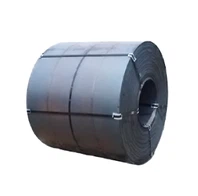
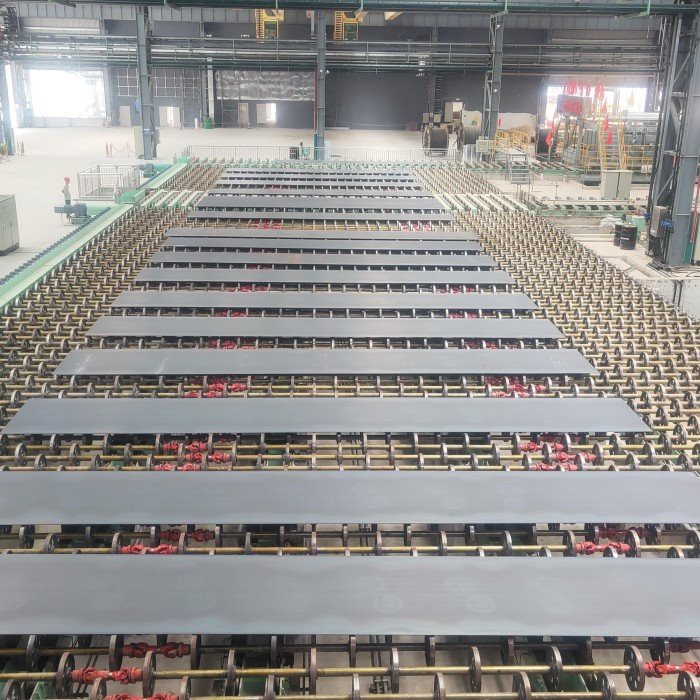
Hot rolling is a process in which the steel is heated above its recrystallization temperature and then passed through a series of rollers to reduce its thickness and shape it into a plate. Hot - rolled steel plates have a rough surface finish and are generally less precise in dimensions compared to cold - rolled plates. However, they are more ductile and can be used in applications where formability is important. Cold rolling is a process in which the steel is rolled at room temperature. Cold - rolled steel plates have a smooth surface finish and are more precise in dimensions. They are also harder and stronger than hot - rolled plates, but they are less ductile.
Heat treatment is an important process for improving the properties of steel plates. Heat treatment can include processes such as quenching, tempering, and annealing. Quenching involves rapidly cooling the steel from a high temperature to increase its hardness. Tempering is then carried out to reduce the brittleness of the quenched steel and improve its toughness. Annealing is a process of heating the steel to a specific temperature and then slowly cooling it to relieve internal stresses and improve its ductility.
Conclusion
As a supplier of wear steel plates, I understand the importance of choosing the right material for different applications. The materials used to make wearable steel plates, including carbon steel, alloy steel, stainless steel, and specific wear - resistant grades, each have their own unique properties and advantages. By carefully considering the requirements of the application, such as the level of wear, corrosion resistance, and formability, the most suitable material can be selected.
If you are in need of high - quality wear steel plates for your business, whether it is for mining, construction, agriculture, or any other industry, I invite you to contact me for a detailed discussion. We can work together to determine the best material and grade for your specific needs. With our extensive experience and a wide range of products, we are confident that we can provide you with the most suitable wear steel plates to meet your requirements.
References
- ASM Handbook Committee. (2004). ASM Handbook, Volume 1: Properties and Selection: Irons, Steels, and High - Performance Alloys. ASM International.
- Degarmo, E. P., Black, J. T., & Kohser, R. A. (2003). Materials and Processes in Manufacturing. Wiley.
- Schumann, S. (2007). Wear - Resistant Materials: Fundamentals, Selection, and Applications. ASM International.