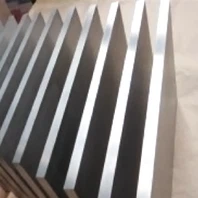
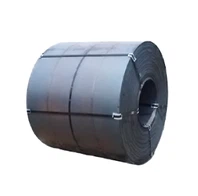
Can ASME SA516 be used in electrical applications? That's a question I get asked a lot as an ASME SA516 supplier. In this blog, I'll dig into this topic and share my thoughts based on my experience in the industry.
First off, let's talk a bit about what ASME SA516 is. ASME SA516 is a standard specification for pressure vessel plates, carbon steel, for moderate- and lower-temperature service. It's mainly used in the construction of boilers, pressure vessels, and other similar equipment. The steel is known for its good weldability, notch toughness, and strength, which are crucial properties for applications where safety and reliability are top priorities.
Now, when it comes to electrical applications, things get a bit more complicated. Electrical applications typically require materials with specific electrical properties, such as conductivity, resistivity, and dielectric strength. ASME SA516 is primarily designed for mechanical and structural purposes, so its electrical properties aren't its main selling point.
One of the key factors in electrical applications is electrical conductivity. Metals like copper and aluminum are commonly used in electrical wiring and components because they have high electrical conductivity. ASME SA516, on the other hand, is a carbon steel, and carbon steels generally have lower electrical conductivity compared to pure metals like copper. This means that using ASME SA516 in applications where high conductivity is required, such as electrical wiring or busbars, might not be the best idea.


However, there are some electrical applications where the mechanical properties of ASME SA516 could be beneficial. For example, in the construction of electrical enclosures or cabinets, the strength and durability of ASME SA516 could be an advantage. These enclosures need to protect electrical components from physical damage, and the toughness of ASME SA516 can help ensure that the enclosure remains intact even in harsh environments.
Another potential use could be in the support structures for electrical equipment. Power transformers, for instance, often require sturdy support frames to hold them in place. ASME SA516's good strength and weldability make it a suitable candidate for fabricating these support structures.
Let's also consider the issue of corrosion resistance. In many electrical applications, especially those outdoors or in industrial environments, corrosion can be a major problem. ASME SA516 has some corrosion resistance, but it's not as high as some specialized corrosion-resistant steels. If the electrical equipment is going to be exposed to moisture, chemicals, or other corrosive agents, additional corrosion protection measures might be needed if using ASME SA516. This could include applying coatings or using corrosion inhibitors.
Now, let's compare ASME SA516 with some other materials that are commonly used in electrical applications. There are several low-alloy steel plates that are also popular in the industry. For example, S355JO is a low-alloy structural steel. It has good mechanical properties and is often used in general construction and engineering applications. While it might not be specifically designed for electrical applications either, its properties could make it a competitor to ASME SA516 in some cases.
Another option is A633GRD. This is a high-strength, low-alloy steel plate that is suitable for welded, bolted, or riveted structures. It has good notch toughness and is often used in applications where high strength and good low-temperature properties are required. Similar to ASME SA516, its electrical properties might not be ideal for all electrical applications, but it could be considered for certain structural parts in electrical equipment.
A572GR60 is also a well - known low - alloy steel. It offers high strength and is commonly used in construction and industrial applications. Like the others, its electrical conductivity might not be as high as some pure electrical metals, but it could be used in non - critical electrical structural components.
In conclusion, while ASME SA516 isn't typically the first choice for most electrical applications due to its relatively low electrical conductivity, there are some scenarios where its mechanical properties can make it a viable option. If you're considering using ASME SA516 in an electrical application, it's important to carefully evaluate the specific requirements of your project. Consider factors such as the need for electrical conductivity, mechanical strength, corrosion resistance, and cost.
If you're in the market for ASME SA516 or have questions about its suitability for your electrical project, I'd be more than happy to help. I've been in the business for a long time and have a good understanding of the material's properties and applications. Reach out to me, and we can have a detailed discussion about your needs and how ASME SA516 might fit into your project.
References
- ASME Boiler and Pressure Vessel Code, Section II, Part A - Ferrous Material Specifications
- Material data sheets for ASME SA516, S355JO, A633GRD, and A572GR60
- Industry standards and guidelines for electrical equipment construction and materials selection