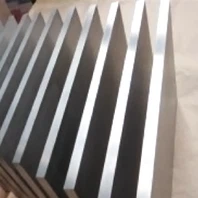
Hey there! As a supplier of plate astm a516 gr 70, I often get asked about its weldability. So, I thought I'd write this blog to share some insights on what makes this plate so weld - friendly and a top choice in various industries.
First off, let's talk a bit about what ASTM A516 Gr 70 is. It's a carbon steel plate that's mainly used in the fabrication of pressure vessels operating at moderate temperatures. The "ASTM" part refers to the American Society for Testing and Materials, which sets the standards for this material. And "Gr 70" indicates its minimum yield strength of 70,000 psi. This plate is known for its good notch toughness and excellent impact resistance, making it suitable for applications where safety and durability are crucial.
Now, onto the main topic: weldability. Weldability is basically how easily a material can be welded to form a strong, reliable joint. For plate astm a516 gr 70, the news is great – it has really good weldability.

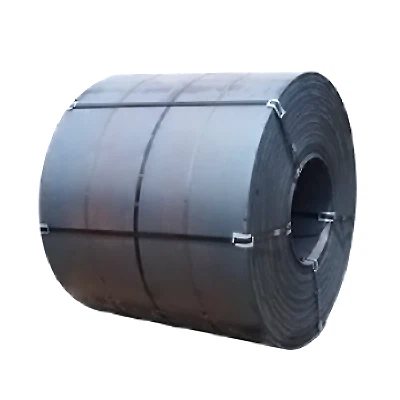
One of the key factors contributing to its good weldability is its relatively low carbon content. Carbon is a double - edged sword in steel. On one hand, it increases the strength of the steel. On the other hand, too much carbon can make the steel hard and brittle, especially in the heat - affected zone (HAZ) during welding. In ASTM A516 Gr 70, the carbon content is kept at a level that provides sufficient strength while still allowing for easy welding. This means that when you're welding this plate, you're less likely to run into problems like cracking in the HAZ.
Another factor is the chemical composition of the plate. Along with a controlled carbon level, ASTM A516 Gr 70 also contains other elements such as manganese, phosphorus, and sulfur in carefully regulated amounts. Manganese helps improve the strength and toughness of the steel, and it also has a beneficial effect on the weldability. Phosphorus and sulfur are usually kept at low levels because they can cause embrittlement and reduce the quality of the weld. The balanced chemical composition of ASTM A516 Gr 70 ensures that the welds are strong and defect - free.
When it comes to the welding process, there are several methods that can be used with plate astm a516 gr 70. Shielded Metal Arc Welding (SMAW), Gas Metal Arc Welding (GMAW), and Submerged Arc Welding (SAW) are all commonly employed. SMAW, also known as stick welding, is a popular choice because it's relatively simple and can be used in a variety of environments. GMAW, or MIG welding, is fast and efficient, and it produces high - quality welds. SAW is often used for large - scale welding jobs because it can deposit a large amount of filler metal quickly.
Before starting the welding process, it's important to prepare the plate properly. This includes cleaning the surface to remove any dirt, rust, or oil. A clean surface ensures better adhesion of the weld and reduces the risk of defects. Pre - heating the plate can also be beneficial, especially in cold environments or when welding thick sections. Pre - heating helps to slow down the cooling rate of the weld, which reduces the likelihood of cracking.
In comparison with some other similar plates, plate astm a516 gr 70 really stands out in terms of weldability. For example, SA285GrA is another type of pressure - vessel plate. While it also has decent weldability, ASTM A516 Gr 70 generally offers better mechanical properties and is more suitable for applications where higher strength is required. Another comparison can be made with astm a537 16Mo3. The 16Mo3 plate contains molybdenum, which gives it good high - temperature properties. However, the addition of molybdenum can sometimes make the welding process a bit more complex compared to ASTM A516 Gr 70.
The weldability of plate astm a516 gr 70 also makes it a cost - effective option. Since it's easy to weld, there's less need for expensive pre - and post - welding treatments. This can save a significant amount of time and money during the fabrication process.
In the real world, the good weldability of ASTM A516 Gr 70 has led to its widespread use in industries such as oil and gas, chemical processing, and power generation. In the oil and gas industry, it's used to make storage tanks and pipelines. The ability to weld the plate easily means that these structures can be fabricated quickly and with high quality, ensuring the safe transportation and storage of oil and gas. In the chemical processing industry, pressure vessels made from ASTM A516 Gr 70 can withstand the harsh chemical environments because of the strong and reliable welds.
If you're in the market for a high - quality, weld - friendly plate, SA516GR70 is definitely worth considering. As a supplier, I can assure you that we provide ASTM A516 Gr 70 plates that meet the strictest quality standards. Whether you're a small - scale fabricator or a large industrial company, we can offer the right quantity and size of plates for your project.
If you have any questions about the weldability of plate astm a516 gr 70 or if you're interested in purchasing our plates, feel free to reach out. We're always here to help you make the best choice for your needs and to assist you throughout the procurement process.
References
- ASTM International standards for A516 Gr 70
- Welding handbook by the American Welding Society