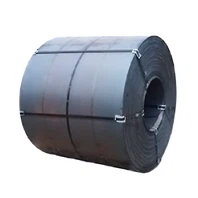
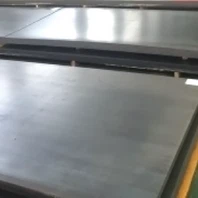
Hey there! As a supplier of A387 steel plates, I've dealt with a ton of questions from clients, and one that pops up quite often is how to deal with the residual stress in A387 steel plates. So, I thought I'd share some insights on this topic.
First off, what exactly is residual stress? Well, residual stress is the stress that remains in a material after the original cause of the stress (like manufacturing processes) has been removed. In the case of A387 steel plates, residual stress can be introduced during processes such as rolling, welding, and heat treatment. These stresses can have a significant impact on the performance and durability of the steel plates.
Let's talk about why residual stress is a big deal. Residual stress can lead to a bunch of problems. For example, it can cause distortion in the steel plates, which is a major headache when you're trying to use them in a precise application. It can also reduce the fatigue life of the plates, making them more prone to cracking and failure over time. And in some cases, residual stress can even affect the corrosion resistance of the A387 steel plates.
So, how do we deal with this residual stress? There are several methods, and I'll go through them one by one.
1. Heat Treatment
Heat treatment is one of the most common ways to relieve residual stress in A387 steel plates. The basic idea is to heat the steel plates to a specific temperature and then hold them at that temperature for a certain period of time, and finally cool them down slowly. This process allows the internal stresses in the steel to relax.
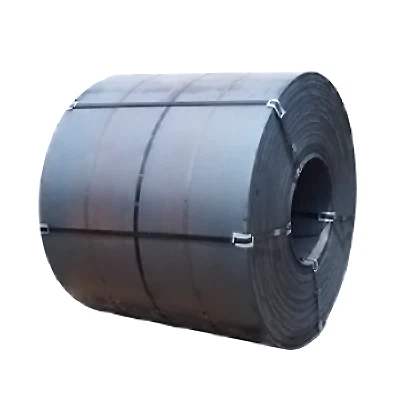

For A387 steel plates, a typical heat treatment process might involve heating the plates to around 600 - 650°C (1112 - 1202°F). This temperature is high enough to soften the steel and allow the atoms to move around, which helps to relieve the residual stress. After reaching the target temperature, we usually hold the plates at that temperature for a few hours, depending on the thickness of the plates. Thicker plates may require a longer holding time.
Once the holding time is up, we need to cool the plates down slowly. Rapid cooling can actually introduce new residual stresses, so we take our time. A common way to cool the plates is to let them cool in the furnace itself. This slow cooling process allows the steel to return to its normal state without creating new internal stresses.
2. Mechanical Methods
Mechanical methods can also be used to reduce residual stress in A387 steel plates. One such method is shot peening. In shot peening, small metal or ceramic balls are shot at high speed onto the surface of the steel plates. This creates a compressive stress on the surface of the plates, which can counteract the existing tensile residual stress.
Another mechanical method is rolling. By rolling the A387 steel plates under controlled conditions, we can redistribute the internal stresses in the plates. This can help to reduce the overall level of residual stress. However, it's important to note that rolling needs to be done carefully to avoid over - deforming the plates and causing other problems.
3. Welding Techniques
If you're using A387 steel plates in a welded structure, the welding process itself can have a big impact on residual stress. To minimize residual stress during welding, we can use techniques like pre - heating and post - welding heat treatment.
Pre - heating the plates before welding helps to reduce the temperature difference between the weld area and the surrounding metal. This can prevent the formation of large thermal gradients, which are a major cause of residual stress during welding. Post - welding heat treatment, similar to the general heat treatment mentioned earlier, can further relieve the residual stress introduced by the welding process.
Now, let's talk a bit about the comparison with other steel plates. We also supply P275NL1, SA285GrA, and SA516GR70. Each of these steel plates has its own characteristics when it comes to residual stress.
P275NL1 is a pressure vessel steel. It generally has a lower carbon content compared to A387 steel, which means it may have different responses to heat treatment and other stress - relieving methods. SA285GrA is a relatively low - cost pressure vessel steel. It may require different heat treatment parameters to effectively relieve residual stress compared to A387. And SA516GR70 is known for its good toughness and weldability. The residual stress management in SA516GR70 also has its own nuances.
As a supplier, I always recommend that our clients choose the right method to deal with residual stress based on the specific application of the A387 steel plates. For example, if the plates are going to be used in a high - stress environment, such as a pressure vessel in a chemical plant, a more thorough stress - relieving process like heat treatment might be necessary.
If you're in the market for A387 steel plates or any of the other steel plates we offer, we're here to help. We have a team of experts who can provide you with detailed advice on residual stress management and other technical aspects. Whether you're a small - scale fabricator or a large industrial company, we can meet your needs. Don't hesitate to reach out to us for a quote or to discuss your specific requirements. We're always happy to have a chat and see how we can assist you in getting the best quality steel plates for your projects.
In conclusion, dealing with residual stress in A387 steel plates is an important part of ensuring their performance and durability. By using the right methods like heat treatment, mechanical methods, and proper welding techniques, we can effectively reduce residual stress and make the most of these high - quality steel plates. So, if you're looking for reliable A387 steel plates and need help with residual stress management, give us a shout. We're here to make your steel - using experience as smooth as possible.
References
- ASM Handbook Volume 4: Heat Treating. ASM International.
- Welding Metallurgy and Weldability of Stainless Steels. John C. Lippold, David J. Kotecki.
- Mechanical Metallurgy. George E. Dieter.