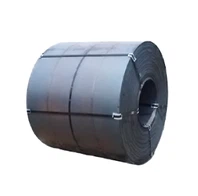
As a supplier of 1045 steel plates, I often receive inquiries about the Vickers hardness of this particular material. Understanding the Vickers hardness of 1045 steel plate is crucial for customers in various industries, as it directly impacts the material's performance and suitability for different applications. In this blog post, I will delve into the concept of Vickers hardness, explain how it is measured, and discuss the specific Vickers hardness values associated with 1045 steel plate.
What is Vickers Hardness?
Vickers hardness is a measure of a material's resistance to indentation. It is determined by pressing a square-based pyramid-shaped indenter into the surface of the material under a specified load and measuring the size of the indentation left behind. The Vickers hardness test is widely used because it can be applied to a wide range of materials, from soft metals to hard ceramics, and provides a more accurate and consistent measurement compared to other hardness testing methods.
The Vickers hardness number (HV) is calculated using the following formula:
[HV = \frac{1.8544 \times F}{d^2}]
Where:
- (F) is the applied load in kilograms-force (kgf)
- (d) is the average length of the two diagonals of the indentation in millimeters (mm)
The resulting Vickers hardness number is expressed in units of kgf/mm².
Measuring Vickers Hardness of 1045 Steel Plate
To measure the Vickers hardness of a 1045 steel plate, a sample of the material is first prepared by polishing the surface to a smooth finish. The sample is then placed on a hardness testing machine, and the indenter is pressed into the surface under a specific load for a predetermined period of time. After the load is removed, the size of the indentation is measured using a microscope, and the Vickers hardness number is calculated using the formula mentioned above.
The load used in the Vickers hardness test can vary depending on the thickness and hardness of the material being tested. For 1045 steel plate, a common load used is 10 kgf, although other loads may be used depending on the specific requirements of the application.
Vickers Hardness of 1045 Steel Plate
The Vickers hardness of 1045 steel plate can vary depending on several factors, including the heat treatment process, the carbon content, and the presence of other alloying elements. In general, the Vickers hardness of annealed 1045 steel plate ranges from 170 to 210 HV, while the Vickers hardness of quenched and tempered 1045 steel plate can range from 250 to 500 HV or higher.
Annealed 1045 steel plate is a soft and ductile material that is easy to machine and form. It is commonly used in applications where high strength is not required, such as in the manufacture of shafts, bolts, and nuts. Quenched and tempered 1045 steel plate, on the other hand, is a hard and strong material that is suitable for applications where high strength and wear resistance are required, such as in the manufacture of gears, axles, and machine parts.
Importance of Vickers Hardness in 1045 Steel Plate Applications
The Vickers hardness of 1045 steel plate plays a crucial role in determining its suitability for different applications. In applications where high strength and wear resistance are required, such as in the automotive and aerospace industries, quenched and tempered 1045 steel plate with a higher Vickers hardness is typically used. In applications where machinability and formability are more important, such as in the manufacturing of consumer goods and machinery parts, annealed 1045 steel plate with a lower Vickers hardness is often preferred.
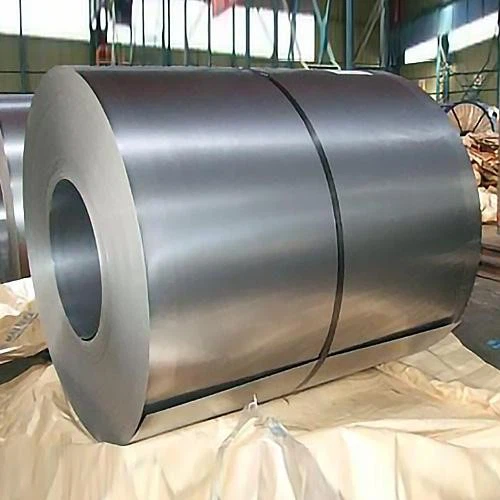
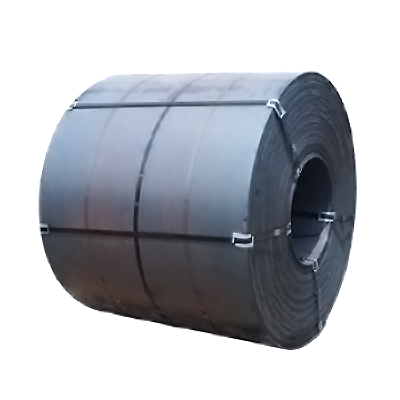
For example, in the automotive industry, quenched and tempered 1045 steel plate is commonly used in the manufacture of engine components, such as crankshafts and connecting rods, where high strength and wear resistance are essential for reliable performance. In the manufacturing of consumer goods, such as furniture and appliances, annealed 1045 steel plate is often used because it is easy to machine and form into different shapes.
Comparison with Other Steel Grades
When comparing the Vickers hardness of 1045 steel plate with other steel grades, it is important to consider the specific requirements of the application. For example, P335GH Pressure Plate SA516GR70 is a high-strength steel grade that is commonly used in the construction of pressure vessels and boilers. It has a higher Vickers hardness compared to 1045 steel plate, making it more suitable for applications where high strength and resistance to pressure are required.
On the other hand, astm a537 16Mo3 is a low-alloy steel grade that is known for its good weldability and high-temperature strength. It has a lower Vickers hardness compared to 1045 steel plate, but it is still suitable for applications where high strength and resistance to corrosion are required, such as in the power generation and petrochemical industries.
Another commonly used steel grade is SA516GR70, which is a carbon steel grade that is widely used in the construction of pressure vessels and storage tanks. It has a similar Vickers hardness to 1045 steel plate, but it may have different mechanical properties and chemical compositions depending on the specific requirements of the application.
Conclusion
In conclusion, the Vickers hardness of 1045 steel plate is an important property that determines its suitability for different applications. By understanding the concept of Vickers hardness, how it is measured, and the specific Vickers hardness values associated with 1045 steel plate, customers can make informed decisions when selecting the right material for their needs.
As a supplier of 1045 steel plate, I am committed to providing high-quality products that meet the specific requirements of my customers. If you have any questions or need further information about the Vickers hardness of 1045 steel plate or any other steel products, please feel free to contact me for a detailed discussion and to explore potential procurement opportunities.
References
- ASM Handbook Volume 8: Mechanical Testing and Evaluation. ASM International.
- ASTM E92 - 17: Standard Test Method for Vickers Hardness and Knoop Hardness of Metallic Materials. ASTM International.