Hey there! As a supplier of low alloy steel plates, I often get asked about the toughness - to - strength ratio of these plates. So, I thought I'd write this blog to share some insights on this topic.
First off, let's break down what the toughness - to - strength ratio means. Strength, in the context of low alloy steel plates, refers to the material's ability to withstand an applied load without failure. There are different types of strength, like yield strength (the stress at which a material begins to deform plastically) and tensile strength (the maximum stress a material can withstand while being stretched or pulled).
On the other hand, toughness is the ability of the steel plate to absorb energy and deform plastically before fracturing. A tough material can handle impacts and sudden loads without breaking apart. The toughness - to - strength ratio is a way to balance these two important properties. It helps us understand how well a low alloy steel plate can perform under various conditions.
Low alloy steel plates are made by adding small amounts of alloying elements such as manganese, nickel, chromium, and molybdenum to carbon steel. These alloying elements enhance the mechanical properties of the steel, including strength and toughness. For example, manganese can increase the hardenability of the steel, which in turn improves its strength. Nickel can enhance the toughness, especially at low temperatures.
Now, why is the toughness - to - strength ratio so important? Well, in many applications, you need a material that is both strong and tough. Take the construction industry, for instance. When building bridges or high - rise buildings, you need steel plates that can support heavy loads (strength) and also withstand dynamic forces like wind and earthquakes (toughness). If the steel plate has a high strength but low toughness, it may be prone to brittle fracture under sudden impacts. On the other hand, if it has high toughness but low strength, it may not be able to support the required loads.
Let's talk about some specific types of low alloy steel plates and their toughness - to - strength ratios. One popular type is the High Strength Plate. These plates are designed to have a high strength - to - weight ratio, which is great for applications where weight is a concern, like in the automotive and aerospace industries. The alloying elements in high - strength plates are carefully selected to optimize both strength and toughness. They can withstand high - stress conditions while still having enough toughness to prevent catastrophic failure.
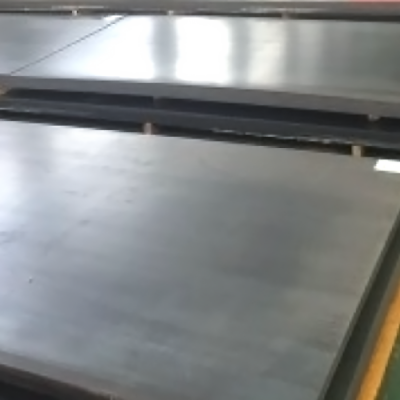
Another type is the SM570. SM570 is a Japanese standard low alloy high - strength steel plate. It has excellent mechanical properties, including a good balance between strength and toughness. This makes it suitable for a wide range of applications, from general construction to heavy machinery. The alloy composition of SM570 is engineered to provide high yield strength and good impact toughness, even at low temperatures.

The P265GH Plate A516 Gr 70 is also worth mentioning. This plate is commonly used in pressure vessel applications. In these applications, the steel plate needs to have a high toughness - to - strength ratio because it has to withstand internal pressure and potential impacts during operation. The P265GH Plate A516 Gr 70 is designed to meet these requirements, with a carefully controlled chemical composition and heat treatment process to ensure optimal mechanical properties.
When it comes to measuring the toughness - to - strength ratio, there are several methods. One common way is to perform a Charpy impact test to measure the toughness and a tensile test to measure the strength. The results of these tests can then be used to calculate the ratio. However, it's important to note that the toughness - to - strength ratio can be affected by many factors, such as the manufacturing process, heat treatment, and the presence of impurities.
For example, the heat treatment process can significantly affect the microstructure of the low alloy steel plate, which in turn affects its strength and toughness. Quenching and tempering are common heat treatment methods used to improve the mechanical properties of the steel. Quenching rapidly cools the steel, which can increase its strength but may also reduce its toughness. Tempering, on the other hand, is a subsequent heat treatment that helps to relieve the internal stresses and improve the toughness.
The manufacturing process also plays a role. Rolling the steel plate at the right temperature and with the right amount of reduction can refine the grain structure of the steel, which is beneficial for both strength and toughness. Additionally, controlling the amount of impurities in the steel, such as sulfur and phosphorus, is crucial. High levels of these impurities can reduce the toughness of the steel and make it more prone to cracking.
As a supplier of low alloy steel plates, I understand the importance of providing high - quality products with the right toughness - to - strength ratio. We work closely with our customers to understand their specific requirements and recommend the most suitable steel plates for their applications. Whether you're in the construction, automotive, or energy industry, we have a wide range of low alloy steel plates to meet your needs.
If you're looking for low alloy steel plates with the optimal toughness - to - strength ratio, don't hesitate to reach out. We can provide you with detailed technical specifications and samples so that you can test the plates for yourself. We're committed to providing excellent customer service and ensuring that you get the best value for your money. So, if you're interested in purchasing low alloy steel plates, let's start a conversation and see how we can work together.
References
- ASM Handbook, Volume 1: Properties and Selection: Irons, Steels, and High - Performance Alloys
- "Low - Alloy Steels: Metallurgy and Applications" by George E. Totten and D. Scott MacKenzie
- Standards and specifications from relevant industry bodies such as ASTM, JIS, and EN