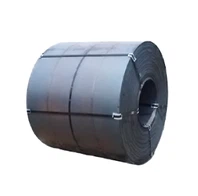
Adhesion properties are crucial when it comes to the application of abrasion plates. As a trusted abrasion plate supplier, I've witnessed firsthand how the adhesion of these plates to other surfaces can make or break a project. In this blog, we'll delve into the adhesion properties of abrasion plates and why they matter in various industries.
Understanding Abrasion Plates
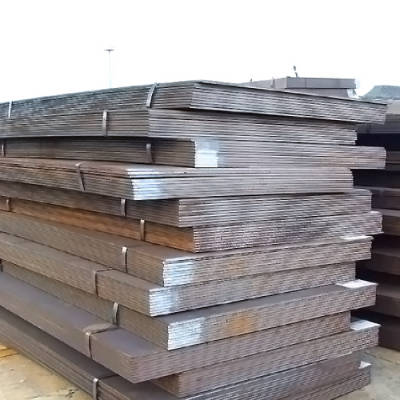
Abrasion plates are designed to withstand wear and tear, protecting underlying structures from the damaging effects of friction, impact, and abrasion. At our company, we offer a range of high - quality abrasion plates, including [NM500 Wear Steel Plate](/wear - plate/nm500.html), [NM360 Abrasion Resistant Plate](/wear - plate/nm360.html), and [NM400 Abrasion Plate](/wear - plate/nm400.html). These plates are made from specialized steel alloys with unique properties that enhance their durability and performance.
Factors Affecting Adhesion
Surface Preparation
One of the most critical factors influencing the adhesion of an abrasion plate to another surface is surface preparation. The surface to which the plate will be attached must be clean, dry, and free of contaminants such as oil, grease, rust, and dirt. A rough surface can also improve adhesion by providing more surface area for the bonding agent to grip. For example, sandblasting the surface can create a textured finish that enhances the mechanical interlocking between the plate and the substrate.

Bonding Agent
The choice of bonding agent is another key factor. Different types of adhesives are available, each with its own set of properties and suitability for specific applications. Epoxy adhesives are commonly used for bonding abrasion plates due to their high strength, excellent chemical resistance, and good adhesion to a variety of substrates. However, the curing time, temperature requirements, and application method of the adhesive must be carefully considered to ensure optimal adhesion.
Material Compatibility
The compatibility between the abrasion plate material and the substrate is essential for good adhesion. Different metals have different coefficients of thermal expansion, which can cause stress and separation at the interface if not properly accounted for. For instance, if a steel abrasion plate is bonded to an aluminum substrate, the difference in thermal expansion rates could lead to delamination over time. It's important to select materials that have similar thermal and mechanical properties to minimize these risks.
Environmental Conditions
The environmental conditions in which the abrasion plate is installed and used can significantly affect its adhesion. High temperatures, humidity, and exposure to chemicals or corrosive substances can degrade the adhesive and weaken the bond. In outdoor applications, for example, the plate may be exposed to rain, sunlight, and extreme temperature variations, which can accelerate the aging process of the adhesive. Therefore, it's crucial to choose an adhesive that is resistant to the specific environmental conditions of the application.
Testing Adhesion
To ensure the reliability of the adhesion between an abrasion plate and another surface, various testing methods can be employed. One common method is the pull - off test, which measures the force required to detach the plate from the substrate. This test provides a quantitative measure of the bond strength and can help determine if the adhesion meets the required standards.
Another method is the shear test, which assesses the ability of the bond to withstand forces acting parallel to the interface. By applying a shear force to the plate, engineers can evaluate the shear strength of the adhesive and identify any potential weaknesses in the bond.
Applications and Adhesion Requirements
Mining Industry
In the mining industry, abrasion plates are widely used to line chutes, hoppers, and conveyor systems. The adhesion of these plates is crucial as they are constantly exposed to abrasive materials such as coal, ore, and gravel. A strong bond between the plate and the substrate is necessary to prevent the plates from coming loose and causing disruptions to the mining operations. Additionally, the plates must be able to withstand the high impact forces generated by the falling materials without delaminating.
Construction Industry
In construction, abrasion plates are used in applications such as earthmoving equipment, bulldozers, and excavators. These plates are often attached to the buckets and blades of the equipment to protect them from wear. The adhesion must be sufficient to withstand the vibrations and mechanical stresses experienced during operation. Moreover, since construction sites can be exposed to a variety of weather conditions, the adhesive must be weather - resistant to ensure long - term performance.
Manufacturing Industry
In the manufacturing industry, abrasion plates are used in machinery and equipment where there is a high risk of wear. For example, in metal stamping and forging operations, the dies and molds may be lined with abrasion plates to extend their service life. The adhesion of these plates is essential to maintain the precision and accuracy of the manufacturing process. A weak bond could result in misalignment or movement of the plate, leading to defective products.
Improving Adhesion
To improve the adhesion of abrasion plates, several strategies can be employed. Firstly, thorough surface preparation should be carried out, including cleaning, degreasing, and roughening the surface. Secondly, the appropriate bonding agent should be selected based on the specific application requirements, such as temperature resistance, chemical resistance, and bond strength. Thirdly, proper application techniques should be followed, including ensuring the correct adhesive thickness, curing time, and temperature.
Conclusion
The adhesion properties of an abrasion plate when attached to other surfaces are of utmost importance in a wide range of industries. By understanding the factors that affect adhesion, conducting proper testing, and implementing strategies to improve adhesion, we can ensure the reliable performance of abrasion plates in various applications.

If you're in need of high - quality abrasion plates for your project, we're here to help. Our [NM500 Wear Steel Plate](/wear - plate/nm500.html), [NM360 Abrasion Resistant Plate](/wear - plate/nm360.html), and [NM400 Abrasion Plate](/wear - plate/nm400.html) are designed to meet the most demanding requirements. Contact us today to discuss your specific needs and explore how our abrasion plates can enhance the durability and performance of your equipment.
References
- ASTM International. (2023). Standard test methods for pull - off strength of coatings using portable adhesion testers. ASTM D4541.
- ISO 4624:2016. Paints and varnishes — Pull - off test for adhesion.
- Trojanowski, P., & Krawczyk, M. (2019). Adhesion of coatings on metallic substrates: A review. Journal of Adhesion Science and Technology, 33(13), 1509 - 1546.