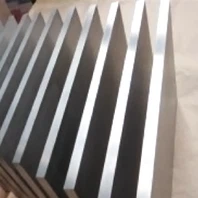
As a trusted supplier of Plate ASTM A516 Gr 70, I've had the privilege of working closely with this remarkable material. ASTM A516 Gr 70 is a widely used carbon steel plate for medium and lower temperature pressure vessels. It offers excellent notch toughness and is known for its high strength and good weldability. However, like any material, it is not immune to surface defects. In this blog post, I'll discuss the common surface defects of Plate ASTM A516 Gr 70, their causes, and potential solutions.
1. Scabs
Scabs are one of the most common surface defects in Plate ASTM A516 Gr 70. They appear as irregularly shaped, thin, flaky layers that are loosely attached to the surface of the plate. Scabs can vary in size, from small, barely visible spots to larger patches that cover a significant portion of the plate's surface.
Causes
- Casting Issues: During the casting process, if the molten steel is not properly de - oxidized or if there are impurities in the mold, scabs can form. For example, the presence of excessive slag or gas bubbles in the molten steel can lead to the formation of scabs on the surface of the solidified plate.
- Rolling Problems: In the rolling mill, if the rolls are not properly maintained or if the rolling process is not carried out under the correct conditions, scabs can be created. Uneven pressure during rolling can cause the surface layer of the plate to peel off in some areas, resulting in scabs.
Solutions
- Improve Casting Process: Ensure proper de - oxidation of the molten steel and use high - quality molds. Regularly clean the molds to prevent the accumulation of impurities.
- Optimize Rolling Conditions: Maintain the rolls in good condition, including proper grinding and lubrication. Adjust the rolling pressure and speed to ensure uniform deformation of the plate.
2. Cracks
Cracks are another serious surface defect that can significantly affect the performance and safety of Plate ASTM A516 Gr 70. Cracks can be classified into different types, such as longitudinal cracks, transverse cracks, and surface cracks.
Causes
- Thermal Stress: During the cooling process after rolling or heat treatment, if the cooling rate is too fast, thermal stress can build up in the plate. This thermal stress can exceed the material's strength, leading to the formation of cracks.
- Material Inhomogeneity: If the chemical composition of the steel is not uniform or if there are inclusions in the material, it can create weak points in the plate. These weak points are more likely to crack under stress.
- Overloading During Processing: Excessive mechanical stress during forming, bending, or welding operations can also cause cracks to develop on the surface of the plate.
Solutions
- Control Cooling Rate: Implement a controlled cooling process to reduce thermal stress. This can involve using slow - cooling methods or heat treatment to relieve stress.
- Improve Material Quality: Ensure strict control of the chemical composition and minimize the presence of inclusions during the steel - making process.
- Optimize Processing Operations: Use appropriate tools and techniques during forming, bending, and welding to avoid overloading the plate.
3. Pits
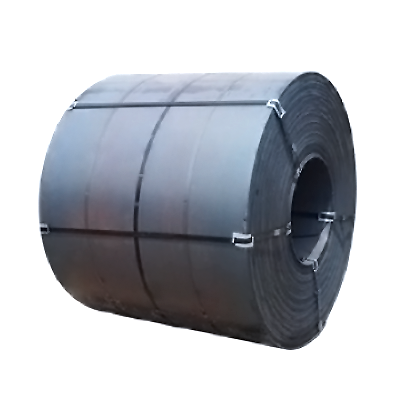
Pits are small, shallow depressions on the surface of the Plate ASTM A516 Gr 70. They can be randomly distributed or concentrated in certain areas of the plate.
Causes
- Corrosion: Exposure to corrosive environments, such as humid air or chemical substances, can cause the surface of the plate to corrode. As the corrosion progresses, pits can form on the surface.
- Surface Contamination: If the plate is contaminated with foreign substances during production, storage, or transportation, these substances can react with the steel surface and cause pitting.
- Inadequate Surface Finish: A poor surface finish can leave micro - scratches or irregularities on the plate surface, which can act as initiation points for pitting corrosion.
Solutions
- Corrosion Protection: Apply appropriate anti - corrosion coatings to the plate surface to prevent corrosion. This can include paint, galvanizing, or other protective treatments.
- Keep the Surface Clean: Ensure that the plate is kept clean during all stages of production, storage, and transportation. Remove any contaminants promptly.
- Improve Surface Finish: Use proper machining and finishing techniques to achieve a smooth surface finish, reducing the likelihood of pitting.
4. Scale
Scale is a layer of oxidized metal that forms on the surface of the Plate ASTM A516 Gr 70 during high - temperature processes, such as hot rolling or heat treatment.
Causes
- Oxidation in High - Temperature Environment: When the plate is exposed to high temperatures in the presence of oxygen, the iron in the steel reacts with oxygen to form iron oxides, which appear as scale on the surface.
- Lack of Protection: If the plate is not protected by a suitable atmosphere or coating during high - temperature processes, oxidation is more likely to occur.
Solutions
- Use Protective Atmospheres: During high - temperature processes, use inert gases or reducing atmospheres to prevent oxidation. For example, in a heat - treatment furnace, nitrogen or hydrogen can be used to create a protective environment.
- Descaling: After the high - temperature process, use descaling methods such as shot - blasting or acid - pickling to remove the scale from the plate surface.
5. Inclusions
Inclusions are non - metallic particles that are embedded in the Plate ASTM A516 Gr 70. They can be composed of various substances, such as oxides, sulfides, or silicates.

Causes
- Steel - Making Process: During the steel - making process, impurities in the raw materials or the addition of certain alloys can lead to the formation of inclusions. For example, if the scrap steel used in the furnace contains a high level of non - metallic impurities, these impurities can end up as inclusions in the final plate.
- Ladle Refining Issues: Inadequate ladle refining can also result in the presence of inclusions in the steel. If the refining process does not effectively remove impurities, they will remain in the molten steel and be incorporated into the plate during solidification.
Solutions
- Improve Steel - Making Process: Use high - quality raw materials and optimize the steel - making process to reduce the formation of inclusions. This can involve better control of the melting process and more efficient slag removal.
- Enhance Ladle Refining: Implement advanced ladle - refining techniques to ensure thorough removal of impurities from the molten steel.
The Importance of Addressing Surface Defects
Surface defects in Plate ASTM A516 Gr 70 can have a significant impact on its performance and usability. Cracks and scabs can reduce the strength and toughness of the plate, making it more prone to failure under stress. Pits and scale can affect the corrosion resistance of the plate, leading to premature degradation. Inclusions can also act as stress - concentration points, increasing the risk of cracking.
As a supplier, we understand the importance of providing high - quality plates with minimal surface defects. We have strict quality - control measures in place to detect and address these defects before the plates are delivered to our customers.
Related Products
In addition to Plate ASTM A516 Gr 70, we also supply other high - quality pressure - vessel plates, such as [SA387GR11 A387 steel plate](/pressure - vessel - plate/sa387gr11.html), [ASTM A537CL2 SA285GrB](/pressure - vessel - plate/sa285grb.html), and [P295GH](/pressure - vessel - plate/p295gh.html). These products are also carefully inspected to ensure they meet the highest quality standards.
Contact Us for Purchase
If you are interested in purchasing Plate ASTM A516 Gr 70 or any of our other products, please feel free to contact us for more information and to discuss your specific requirements. We are committed to providing you with the best products and services to meet your needs.

References
- ASME Boiler and Pressure Vessel Code
- ASTM International Standards for Steel Plates
- Technical literature on steel production and quality control