What is the thermal conductivity of pipe line plate X60?
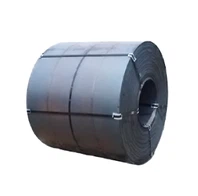
As a supplier of pipe line plate X60, I often receive inquiries about the thermal conductivity of this material. Understanding the thermal conductivity of pipe line plate X60 is crucial for various applications, especially in the oil and gas industry where these plates are widely used for pipeline construction. In this blog post, I will delve into the concept of thermal conductivity, explore the factors affecting the thermal conductivity of pipe line plate X60, and discuss its significance in practical applications.
Understanding Thermal Conductivity
Thermal conductivity is a fundamental property of materials that describes their ability to conduct heat. It is defined as the amount of heat that can be transferred through a unit thickness of a material in a unit time under a unit temperature difference. The SI unit of thermal conductivity is watts per meter-kelvin (W/(m·K)). A high thermal conductivity means that the material can transfer heat quickly, while a low thermal conductivity indicates that the material is a poor conductor of heat and can act as an insulator.
Thermal Conductivity of Pipe Line Plate X60
Pipe line plate X60 is a high-strength low-alloy (HSLA) steel that is commonly used in the construction of oil and gas pipelines. The thermal conductivity of pipe line plate X60 is influenced by several factors, including its chemical composition, microstructure, and temperature.
The chemical composition of pipe line plate X60 typically includes elements such as carbon, manganese, silicon, sulfur, phosphorus, and trace amounts of other alloying elements. These elements can affect the thermal conductivity of the steel by altering its crystal structure and the mobility of electrons and phonons, which are the main carriers of heat in solids. For example, carbon can form carbides in the steel, which can act as barriers to the movement of electrons and phonons, thereby reducing the thermal conductivity.
The microstructure of pipe line plate X60 also plays a significant role in determining its thermal conductivity. The steel can have different microstructures, such as ferrite, pearlite, bainite, and martensite, depending on its processing history. Each microstructure has a different thermal conductivity due to differences in its crystal structure and the distribution of phases. For example, ferrite has a relatively high thermal conductivity compared to pearlite and bainite, while martensite has a lower thermal conductivity due to its highly distorted crystal structure.
Temperature is another important factor that affects the thermal conductivity of pipe line plate X60. In general, the thermal conductivity of metals decreases with increasing temperature. This is because as the temperature increases, the lattice vibrations in the metal become more intense, which scatters the electrons and phonons and reduces their ability to transfer heat.
The thermal conductivity of pipe line plate X60 typically ranges from approximately 40 to 50 W/(m·K) at room temperature. However, this value can vary depending on the specific chemical composition, microstructure, and processing conditions of the steel.
Significance of Thermal Conductivity in Pipeline Applications
The thermal conductivity of pipe line plate X60 is an important consideration in pipeline applications for several reasons.
Firstly, in the transportation of oil and gas, the temperature of the fluid being transported can vary significantly. If the pipeline has a high thermal conductivity, it can transfer heat from the fluid to the surrounding environment, which can lead to a decrease in the temperature of the fluid. This can be a problem in cold climates or when transporting high-viscosity fluids, as a decrease in temperature can increase the viscosity of the fluid and make it more difficult to pump. On the other hand, if the pipeline has a low thermal conductivity, it can act as an insulator and help to maintain the temperature of the fluid, which can improve the efficiency of the transportation process.
Secondly, the thermal conductivity of the pipeline can also affect its structural integrity. When the temperature of the pipeline changes, it can cause thermal expansion or contraction, which can lead to stresses and strains in the material. If the thermal conductivity of the pipeline is high, it can transfer heat more quickly, which can reduce the temperature gradient across the pipeline and minimize the thermal stresses. Conversely, if the thermal conductivity is low, the temperature gradient can be larger, which can increase the thermal stresses and potentially lead to cracking or other forms of damage.
Comparison with Other Pipe Line Plates
In addition to pipe line plate X60, there are other types of pipe line plates available in the market, such as LX52 Pipe Line Plate X52, LX46 Pipe Line Plate X46, and LX42 Pipe Line Plate. These plates have different chemical compositions, mechanical properties, and thermal conductivities.
Generally, the thermal conductivity of these plates is also in the range of 40 to 50 W/(m·K) at room temperature, but the exact values can vary depending on the specific grade and manufacturing process. When selecting a pipe line plate for a particular application, it is important to consider not only the thermal conductivity but also other factors such as strength, toughness, corrosion resistance, and weldability.

Conclusion
In conclusion, the thermal conductivity of pipe line plate X60 is an important property that is influenced by its chemical composition, microstructure, and temperature. Understanding the thermal conductivity of this material is crucial for ensuring the efficient and safe operation of oil and gas pipelines. By considering the thermal conductivity along with other factors, engineers and designers can select the most appropriate pipe line plate for a given application.
If you are interested in purchasing pipe line plate X60 or have any questions about its thermal conductivity or other properties, please feel free to contact us for further information and negotiation. We are committed to providing high-quality products and excellent customer service to meet your needs.
References
- ASM Handbook Volume 1: Properties and Selection: Irons, Steels, and High-Performance Alloys. ASM International.
- ASTM A694/A694M - 17 Standard Specification for Carbon and Alloy Steel Forgings for Pipe Flanges, Fittings, Valves, and Parts for High - Pressure Transmission Service.
- API 5L Specification for Line Pipe. American Petroleum Institute.