In the realm of industrial materials, the performance of steel under high - pressure environments is of utmost importance. As a supplier of ASTM A537, I have witnessed firsthand the significance of this material in various high - pressure applications. This blog aims to delve into how ASTM A537 performs in high - pressure environments, exploring its properties, advantages, and real - world applications.
Understanding ASTM A537
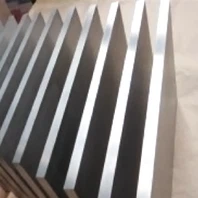
ASTM A537 is a standard specification for pressure vessel plates, heat treated, carbon - manganese - silicon steel. It comes in different classes, with each class having specific chemical and mechanical properties tailored to different applications. The heat treatment process, such as normalizing and tempering, imparts unique characteristics to the steel, making it suitable for high - pressure scenarios.
The chemical composition of ASTM A537 typically includes elements like carbon, manganese, silicon, sulfur, and phosphorus. These elements work in harmony to provide the steel with the necessary strength, toughness, and corrosion resistance. For instance, carbon contributes to the strength of the steel, while manganese enhances its hardenability and toughness.
Performance in High - Pressure Environments
Strength and Ductility
One of the key factors determining the performance of a material in high - pressure environments is its strength. ASTM A537 exhibits excellent tensile and yield strength, which allows it to withstand high internal pressures without undergoing plastic deformation. The yield strength of ASTM A537 CL2, for example, is typically around 315 MPa (45 ksi), and the tensile strength is in the range of 485 - 620 MPa (70 - 90 ksi).
In addition to strength, ductility is also crucial. Ductility enables the material to deform plastically before fracture, providing a safety margin in case of over - pressurization. ASTM A537 has good ductility, as evidenced by its elongation values. The minimum elongation in a 2 - inch (50.8 mm) gage length is usually around 22%, which means the material can stretch significantly before breaking.
Fatigue Resistance
High - pressure systems often experience cyclic loading, which can lead to fatigue failure. ASTM A537 has good fatigue resistance due to its fine - grained microstructure and homogeneous mechanical properties. The heat treatment process helps to refine the grain structure, reducing the stress concentration points and improving the material's ability to withstand repeated loading.
In real - world applications, such as in pressure vessels used in the oil and gas industry, ASTM A537 can endure thousands of pressure cycles without developing fatigue cracks. This makes it a reliable choice for long - term use in high - pressure environments.
Corrosion Resistance
Corrosion can significantly reduce the strength and integrity of a material in high - pressure environments. ASTM A537 has moderate corrosion resistance, especially when compared to some specialized stainless steels. However, proper surface treatment and coating can enhance its corrosion resistance.
For example, in applications where the pressure vessel is exposed to corrosive fluids, a protective coating can be applied to the surface of the ASTM A537 plate. This coating acts as a barrier, preventing the corrosive agents from coming into contact with the steel and extending the service life of the vessel.
Real - World Applications
Pressure Vessels
Pressure vessels are one of the most common applications of ASTM A537. These vessels are used in a wide range of industries, including chemical processing, power generation, and oil and gas. In chemical processing plants, pressure vessels are used to store and process various chemicals under high pressure. ASTM A537's strength and corrosion resistance make it an ideal choice for these applications.
For instance, a pressure vessel made of ASTM A537 can safely store and transport high - pressure gases such as hydrogen or nitrogen. The vessel's ability to withstand high internal pressures ensures the safety of the chemical process and the surrounding environment.
Boilers
Boilers are another important application of ASTM A537. In power generation plants, boilers are used to produce steam at high pressure and temperature. ASTM A537's high - temperature strength and good thermal conductivity make it suitable for boiler construction.
The material can withstand the high pressures and temperatures inside the boiler without losing its mechanical properties. This ensures the efficient operation of the boiler and reduces the risk of failure.
Comparison with Other Materials
When considering materials for high - pressure applications, it's important to compare ASTM A537 with other similar materials. For example, astm a537 16Mo3 is another popular material for pressure vessels. While 16Mo3 has good high - temperature properties, ASTM A537 offers better overall strength and ductility, making it more suitable for applications where high pressure and cyclic loading are involved.
ASTM A537CL2 SA285GrB is also a comparable material. SA285GrB has lower strength compared to ASTM A537 CL2, which means it may not be able to withstand as high pressures. ASTM A537, with its higher strength and better fatigue resistance, is a more reliable choice for high - pressure applications.
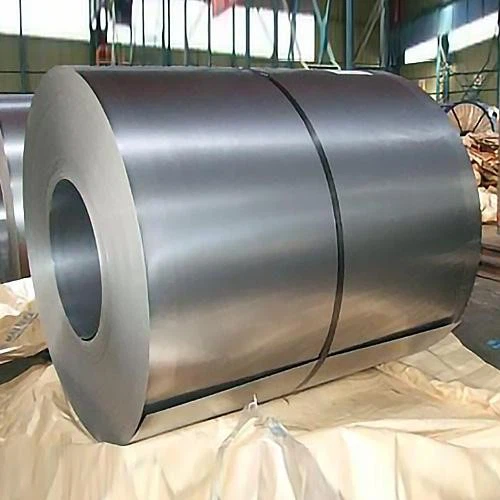
P335GH is a European standard material for pressure vessels. Although P335GH has similar strength properties to ASTM A537 in some aspects, ASTM A537 has a more established track record in the North American market and is widely used in various industries across the globe.
Why Choose Our ASTM A537
As a supplier of ASTM A537, we take pride in offering high - quality products. Our ASTM A537 plates are manufactured in accordance with strict quality control standards. We source our raw materials from reputable suppliers and conduct thorough testing on each batch of products.
Our in - house testing facilities allow us to perform a wide range of tests, including chemical analysis, mechanical testing, and non - destructive testing. This ensures that our ASTM A537 plates meet or exceed the requirements of the ASTM A537 standard.
In addition to quality, we also offer competitive pricing and excellent customer service. We understand the importance of timely delivery and work closely with our customers to ensure that their orders are fulfilled on schedule.
Conclusion
ASTM A537 performs exceptionally well in high - pressure environments due to its excellent strength, ductility, fatigue resistance, and moderate corrosion resistance. Its real - world applications in pressure vessels and boilers demonstrate its reliability and suitability for high - pressure scenarios.
When compared to other similar materials, ASTM A537 offers distinct advantages, making it a preferred choice for many industries. As a supplier, we are committed to providing high - quality ASTM A537 products and excellent customer service.
If you are in the market for ASTM A537 for your high - pressure applications, we encourage you to contact us for a detailed discussion. Our team of experts can provide you with the technical information and support you need to make an informed decision.
References
- ASTM International. (Year). ASTM A537/A537M - Standard Specification for Pressure Vessel Plates, Heat Treated, Carbon - Manganese - Silicon Steel.
- ASME Boiler and Pressure Vessel Code. (Year). Section VIII - Rules for Construction of Pressure Vessels.
- Various industry reports on the use of ASTM A537 in high - pressure applications.