What is the tensile strength of high strength plate?
As a supplier of high strength plates, I often encounter inquiries from customers about the tensile strength of these specialized materials. Tensile strength is a fundamental mechanical property that measures the maximum stress a material can withstand while being stretched or pulled before breaking. In the context of high strength plates, understanding tensile strength is crucial for applications where structural integrity and load - bearing capacity are of utmost importance.
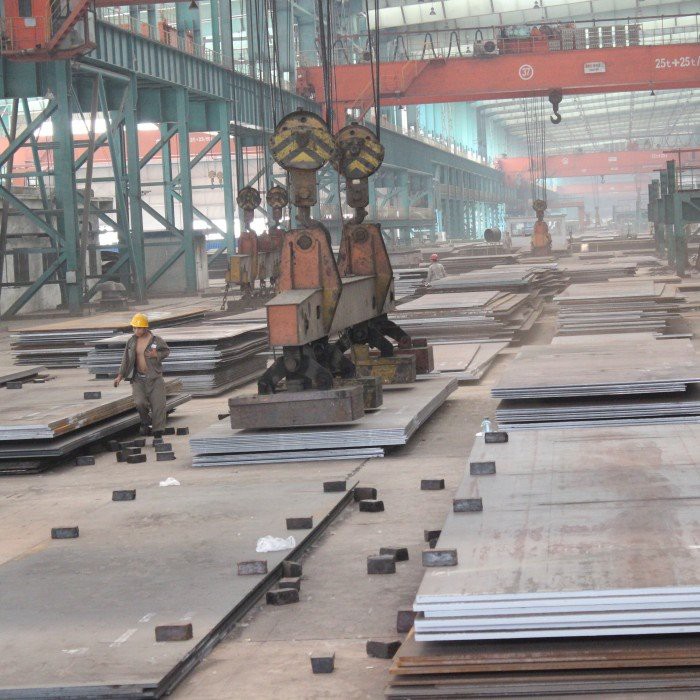
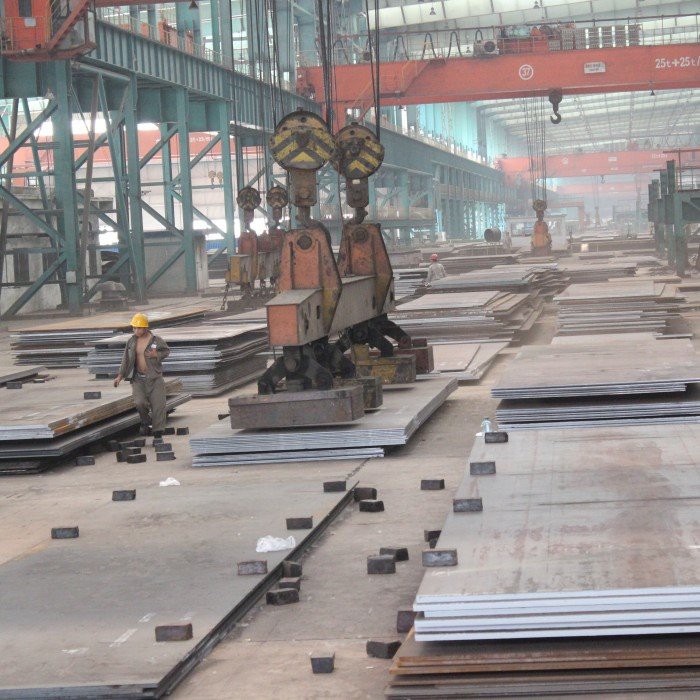
High strength plates are used in a wide range of industries, including construction, automotive, and heavy machinery. These plates are engineered to offer superior strength - to - weight ratios compared to conventional steel plates. The high tensile strength allows for the construction of lighter and more efficient structures without sacrificing safety.
Determining Factors of Tensile Strength
The tensile strength of high strength plates is influenced by several factors. One of the primary factors is the chemical composition of the steel. Alloying elements such as manganese, chromium, nickel, and molybdenum are added to the base iron to enhance its strength. For example, manganese increases the hardenability of the steel, which in turn contributes to higher tensile strength. Chromium improves corrosion resistance and also has a positive effect on the strength properties.
The manufacturing process also plays a significant role. Heat treatment, such as quenching and tempering, can significantly alter the microstructure of the steel and thus its tensile strength. Quenching involves rapidly cooling the heated steel, which forms a hard and brittle martensitic structure. Tempering is then carried out to relieve internal stresses and improve the toughness of the steel while maintaining a high level of strength.
Different Grades of High Strength Plates and Their Tensile Strengths
There are various grades of high strength plates available in the market, each with its own specific tensile strength characteristics.
One of the popular grades is S690QL1. This grade is known for its excellent combination of high strength and good weldability. The minimum yield strength of S690QL1 is typically around 690 MPa, and its tensile strength ranges from 770 - 940 MPa. This high strength makes it suitable for applications in the construction of heavy - duty machinery, bridges, and offshore structures.
Another well - known grade is S460QL1 690ql Plate. S460QL1 has a minimum yield strength of 460 MPa, and its tensile strength is in the range of 530 - 720 MPa. It is commonly used in general construction projects, such as building frames and industrial structures, where a balance between strength and cost - effectiveness is required.
The S960QL grade is at the higher end of the strength spectrum. With a minimum yield strength of 960 MPa and a tensile strength typically ranging from 1000 - 1150 MPa, S960QL is used in applications where extremely high strength is needed, such as in the manufacturing of military vehicles, high - end cranes, and some aerospace components.
Importance of Tensile Strength in Applications
In construction, the tensile strength of high strength plates is critical for ensuring the safety and stability of buildings and bridges. When a structure is subjected to external forces, such as wind, earthquakes, or heavy loads, the high strength plates need to be able to resist the tensile stresses without failing. For example, in a suspension bridge, the cables and the supporting structures made of high strength plates must have sufficient tensile strength to carry the weight of the bridge deck and the traffic.
In the automotive industry, high strength plates are used to reduce the weight of vehicles while maintaining their structural integrity. By using plates with high tensile strength, car manufacturers can design lighter cars, which in turn improves fuel efficiency and reduces emissions. At the same time, the high strength ensures that the vehicle can withstand the forces generated during normal driving and in the event of a collision.
Testing Tensile Strength
To accurately determine the tensile strength of high strength plates, standardized testing methods are used. The most common test is the tensile test, which involves taking a sample of the plate and subjecting it to a gradually increasing tensile force until it breaks. The test is carried out using a universal testing machine, which measures the force applied and the corresponding elongation of the sample.
During the test, several important parameters are measured, including the yield strength, the ultimate tensile strength, and the elongation at break. The yield strength is the stress at which the material begins to deform plastically, while the ultimate tensile strength is the maximum stress the material can withstand. The elongation at break indicates the ductility of the material, which is also an important property in many applications.
Our Offerings as a Supplier
As a supplier of high strength plates, we understand the importance of providing products with consistent and reliable tensile strength. We source our plates from reputable manufacturers who adhere to strict quality control standards. Our team of experts is available to assist customers in selecting the right grade of high strength plate based on their specific application requirements.
We offer a wide range of high strength plate grades, including S690QL1, S460QL1, and S960QL. Our plates are available in various thicknesses and sizes to meet the diverse needs of our customers. We also provide value - added services such as cutting, machining, and surface treatment to ensure that the plates are ready for immediate use in the customer's projects.
Contact Us for Your High Strength Plate Needs
If you are in the market for high strength plates and have questions about tensile strength or other properties, we encourage you to reach out to us. Our knowledgeable sales team is eager to discuss your requirements and provide you with detailed product information and competitive pricing. Whether you are involved in a large - scale construction project, an automotive manufacturing operation, or any other industry that requires high strength plates, we have the expertise and the products to meet your needs. Contact us today to start the procurement process and take advantage of our high - quality high strength plates.
References
- ASM Handbook Volume 1: Properties and Selection: Irons, Steels, and High - Performance Alloys. ASM International.
- "Steel Construction Manual", American Institute of Steel Construction (AISC).
- Standards and specifications for high strength steel plates, ISO and ASTM.