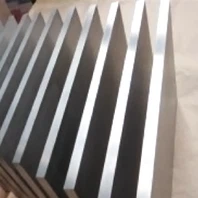
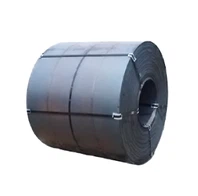
Hey there! As a supplier of abrasion plates, I often get asked about the seismic - resistance properties of these plates. In this blog, I'll share some insights into what makes abrasion plates good at withstanding seismic forces.
First off, let's understand what seismic activity is. Earthquakes happen when there's a sudden release of energy in the Earth's crust, which creates seismic waves. These waves can cause a lot of shaking and stress on structures. When it comes to buildings, bridges, and other infrastructure, having materials that can resist these forces is crucial to prevent disasters.
So, how do abrasion plates fit into this picture? Well, abrasion plates are known for their high strength and toughness. They're designed to withstand wear and tear in harsh environments, but these same properties also make them suitable for seismic - resistant applications.
One of the key factors in seismic resistance is the plate's ability to absorb energy. During an earthquake, the ground moves, and structures need to be able to soak up the energy from these movements without breaking. Abrasion plates have a high energy - absorption capacity. Their dense and uniform microstructure allows them to deform plastically under stress, which means they can bend and stretch a bit without cracking. This plastic deformation helps in dissipating the seismic energy, reducing the impact on the overall structure.
For example, in a building frame made with abrasion plates, when an earthquake hits, the plates can flex and absorb the shockwaves. Instead of the entire structure collapsing due to the sudden force, the plates act as a buffer, protecting the more delicate parts of the building.
Another important aspect is the plate's ductility. Ductility refers to a material's ability to be drawn into a wire or deformed without breaking. Abrasion plates typically have good ductility, which is a big plus for seismic resistance. When a structure is subjected to seismic forces, it experiences different types of stress, including tension and compression. A ductile abrasion plate can withstand these changing stress conditions without losing its integrity. It can stretch under tension and compress under pressure, maintaining the structural stability of the building.
Now, let's talk about some of the specific abrasion plates we offer. The NM600 Abrasion Steel Plate is a top - notch product. It has excellent hardness and toughness, which are essential for both abrasion resistance and seismic resistance. The high - carbon content and special alloying elements in NM600 give it a fine - grained microstructure, enhancing its ability to absorb energy during an earthquake.
The NM500 Wear Steel Plate is also a great option. It's widely used in various industries due to its balanced properties of hardness and ductility. In seismic - prone areas, NM500 can help structures withstand the forces of an earthquake while also offering long - term wear resistance.
And then there's the NM550. This plate strikes a good balance between high hardness and sufficient ductility. Its unique composition makes it suitable for applications where both abrasion protection and seismic resistance are required.
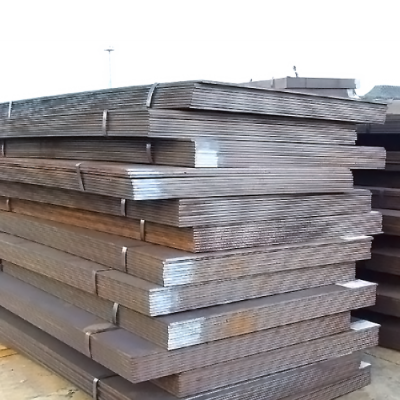

In addition to the material properties, the manufacturing process of abrasion plates also plays a role in their seismic - resistance. We use advanced rolling and heat - treatment techniques to ensure that the plates have consistent quality and performance. These processes help in optimizing the microstructure of the plates, making them more resistant to seismic forces.
For instance, the heat - treatment process can refine the grain size of the steel, which improves its strength and ductility. A finer grain size means more grain boundaries, which can act as barriers to the propagation of cracks. During an earthquake, these barriers prevent cracks from spreading quickly, maintaining the integrity of the plate.
When it comes to installation, proper design and connection details are crucial for maximizing the seismic - resistance of abrasion plates. The plates should be installed in a way that allows them to work together as a cohesive unit. For example, using appropriate welding techniques and connection systems can ensure that the plates transfer the seismic loads effectively throughout the structure.
We also provide technical support to our customers to ensure that the abrasion plates are installed correctly. Our team of experts can offer advice on design considerations, connection methods, and other factors that affect the seismic - resistance of the plates.
In conclusion, abrasion plates have some really great seismic - resistance properties. Their high energy - absorption capacity, ductility, and the right manufacturing processes make them a smart choice for structures in seismic - prone areas. Whether it's a building, a bridge, or an industrial facility, using abrasion plates can significantly enhance the safety and durability of the structure.
If you're in the market for abrasion plates and want to take advantage of their seismic - resistance features, don't hesitate to get in touch. We're here to help you choose the right product for your specific needs and provide all the support you need during the installation process. Contact us today to start a discussion about your project and how our abrasion plates can make a difference.
References
- "Seismic Design of Steel Structures" by T. Paulay and M. J. N. Priestley
- "Steel Structures: Design and Behavior" by S. T. Mau and G. S. Muscolino
- Technical literature on abrasion - resistant steels from steel manufacturing associations.