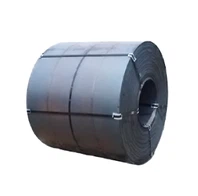
Hey there! As a supplier of clad plates, I've been in the business long enough to know a thing or two about what makes these products so special. So, let's dive right in and talk about what the strength of clad plates really is.
First off, for those who might not be familiar, a clad plate is a composite material made by bonding two or more different metals together. This isn't just a simple layering; it's a strong, metallurgical bond that combines the best properties of each metal. And that's where the real strength lies.
1. Combining the Best of Both Worlds
One of the main strengths of clad plates is the ability to combine the unique properties of different metals. For example, you might have a base metal that's incredibly strong and durable, like carbon steel, and a cladding metal that offers excellent corrosion resistance, such as stainless steel.
Let's take the A537CL2+304L - Stainless Steel Clad Plate as an example. The A537CL2 base metal is known for its high strength and good toughness, making it suitable for applications where structural integrity is crucial. On the other hand, the 304L stainless steel cladding provides outstanding corrosion resistance, especially in environments where there's exposure to moisture, chemicals, or other corrosive agents.
This combination means that you get a single material that can handle the demands of both strength and corrosion protection. It's like having a superhero with two superpowers! In industries like oil and gas, chemical processing, and construction, this kind of versatility is a game - changer. You don't have to worry about using multiple materials or dealing with the challenges of connecting different metals. The clad plate does it all in one package.
2. Cost - Efficiency
Another major strength of clad plates is cost - efficiency. Using a clad plate can be a lot more economical than using solid pieces of the more expensive metal. Take the A516GR70 +304L Clad Plate. A516GR70 is a relatively inexpensive carbon steel, while 304L stainless steel is more costly. By using a clad plate with a thin layer of 304L on top of the A516GR70 base, you can achieve the same corrosion - resistant properties as a solid 304L plate at a fraction of the cost.
This cost - saving aspect is huge for businesses. In large - scale projects, the savings can really add up. Instead of spending a fortune on solid stainless steel plates, companies can use clad plates and allocate their budget to other important areas of the project. It's a win - win situation where you get the performance you need without breaking the bank.
3. Enhanced Performance in Harsh Environments
Clad plates are designed to perform well in some of the toughest environments out there. The combination of metals allows them to withstand extreme temperatures, high pressures, and corrosive substances.
For instance, in the power generation industry, boilers and heat exchangers often operate under high - temperature and high - pressure conditions. A clad plate with a heat - resistant base metal and a corrosion - resistant cladding can handle these conditions without deteriorating. The S355JR+304L is a great choice for such applications. The S355JR base metal has good mechanical properties at elevated temperatures, while the 304L cladding protects against corrosion from steam and other chemicals present in the system.
In marine applications, where saltwater is a constant threat, clad plates offer excellent protection. The stainless steel cladding acts as a barrier against the corrosive effects of saltwater, while the base metal provides the necessary strength to support the structure of ships, offshore platforms, and other marine equipment.
4. Ease of Fabrication
Clad plates are also relatively easy to fabricate. They can be cut, welded, and formed using standard metalworking techniques. This is a big advantage compared to some other composite materials that might require specialized equipment or processes.
When it comes to welding, for example, there are well - established procedures for welding clad plates. Welders can use techniques that ensure a strong bond between the base metal and the cladding, as well as between different sections of the clad plate. This ease of fabrication means that manufacturers can quickly turn clad plates into finished products, reducing production time and costs.
5. Customization
We understand that different industries and applications have different requirements. That's why clad plates offer a high degree of customization. We can adjust the thickness of the base metal and the cladding, as well as choose different combinations of metals to meet specific needs.
If a customer needs a clad plate with extra - thick cladding for a particularly corrosive environment, we can make it happen. Or, if they need a specific combination of metals for a unique application, we can work with them to develop the right solution. This level of customization gives our customers the flexibility to get exactly what they need for their projects.
Why Choose Us as Your Clad Plate Supplier?
As a clad plate supplier, we take pride in offering high - quality products. We have strict quality control measures in place to ensure that every clad plate we produce meets the highest standards. Our team of experts has years of experience in the industry, and we're always up - to - date with the latest technologies and manufacturing processes.
We also offer excellent customer service. We're here to answer your questions, provide technical support, and help you choose the right clad plate for your application. Whether you're a small - scale manufacturer or a large industrial company, we can work with you to meet your needs.
If you're interested in learning more about our clad plates or have a project in mind, we'd love to hear from you. We're ready to start a conversation about how our clad plates can benefit your business. Contact us today to discuss your requirements and let's work together to find the perfect solution for your project.
References
- ASM Handbook Volume 1: Properties and Selection: Irons, Steels, and High - Performance Alloys
- Welding Handbook, Volume 2: Welding Processes
- Corrosion Resistance of Stainless Steels by George S. Was