Hey there! I'm a supplier of 690QL plates, and I wanna chat about what factors affect the price of these bad boys. As someone in the thick of it, I've seen firsthand how various elements can send the price soaring or bring it back down to earth. So, let's dig in!

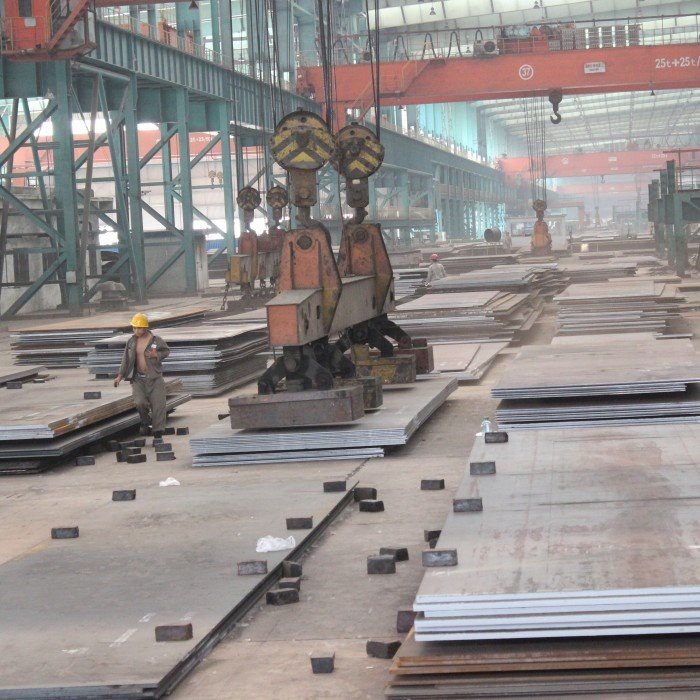
1. Raw Material Costs
The first and most obvious factor is the cost of raw materials. 690QL plates are made from high - strength steel, and the price of steel fluctuates like crazy. The cost of iron ore, which is the main ingredient in steel production, is a major player here. When the global demand for iron ore goes up, say, because of a construction boom in a big country like China or India, the price of iron ore spikes. This, in turn, drives up the cost of making steel, and our 690QL plates end up costing more.
Another thing is the cost of alloying elements. 690QL plates require specific alloys to achieve their high strength and good weldability. Elements like manganese, chromium, and nickel are often added in precise amounts. If there's a shortage of these alloys in the market, or if geopolitical issues disrupt their supply chains, the prices of these alloying elements shoot up. For example, if there are trade disputes between major alloy - producing countries, it can create a ripple effect on the cost of producing 690QL plates.
2. Production Process Complexity
Making 690QL plates isn't a walk in the park. It involves a series of complex processes, and each step can add to the cost. First off, there's the smelting process. High - strength steel like 690QL needs to be smelted at very high temperatures and under strict quality control. This requires specialized equipment and a lot of energy. The cost of energy, whether it's electricity or natural gas, can have a big impact on the overall production cost.
Then comes the rolling process. To get the right thickness and flatness of the 690QL plates, they need to be rolled multiple times. This requires large - scale rolling mills that are expensive to operate and maintain. If there are any breakdowns in the rolling equipment, it can lead to production delays and increased costs.
Heat treatment is another crucial step. 690QL plates need to be heat - treated to achieve the desired mechanical properties. This process involves precise control of temperature and time. Any deviation from the optimal heat - treatment parameters can result in sub - standard plates, which means more scrap and higher costs.
3. Market Demand and Supply
Just like any other product, the law of supply and demand plays a huge role in determining the price of 690QL plates. When the demand for these plates is high, and the supply is limited, the prices go up. For instance, if there are a lot of large - scale infrastructure projects in the works, such as bridges, high - rise buildings, or offshore platforms, the demand for 690QL plates will skyrocket. These projects require high - strength steel to ensure the safety and durability of the structures.
On the flip side, if there's an oversupply of 690QL plates in the market, prices will drop. This can happen if steel producers overestimate the demand and ramp up production. Sometimes, new competitors enter the market with large - scale production capabilities, flooding the market with 690QL plates and driving down the prices.
4. Quality and Certification
The quality of 690QL plates can vary significantly, and this has a direct impact on the price. Higher - quality plates that meet strict international standards, such as S690QL, S690QL1, and S960QL, are more expensive. These plates have better mechanical properties, such as higher tensile strength, better toughness, and improved weldability.
Certification is also a big deal. If a 690QL plate has certifications from well - recognized organizations like Lloyd's Register, DNV - GL, or ABS, it adds value to the product. These certifications ensure that the plates have been tested and meet specific quality and safety requirements. Customers are often willing to pay a premium for certified plates, especially for critical applications where safety is of utmost importance.
5. Transportation and Logistics
Getting the 690QL plates from the production facility to the customer's location isn't free. Transportation costs can vary depending on the distance, the mode of transportation, and the current fuel prices. If the customer is located far away from the production site, the cost of shipping the plates will be higher.
Logistics also play a role. There are costs associated with packaging, handling, and storage. 690QL plates need to be properly packaged to prevent damage during transportation. Specialized packaging materials and techniques add to the overall cost. Additionally, if there are any delays in the logistics chain, such as customs clearance issues at international borders, it can lead to additional costs and potentially higher prices for the customer.
6. Geopolitical and Economic Factors
Geopolitical events can have a far - reaching impact on the price of 690QL plates. Trade policies, tariffs, and sanctions can disrupt the global supply chain. For example, if a country imposes high tariffs on imported steel, it can make it more expensive for local manufacturers to source the raw materials needed to produce 690QL plates. This, in turn, can lead to higher prices for the end - product.
Economic factors like inflation and currency exchange rates also matter. If there's high inflation in a country where the 690QL plates are produced, the cost of labor, raw materials, and energy will increase. This will push up the price of the plates. Currency exchange rates can also affect the price, especially for international trade. If the currency of the producing country strengthens against the customer's currency, the plates will become more expensive for the customer.
So, there you have it! These are the main factors that affect the price of 690QL plates. As a supplier, I understand that price is a major concern for my customers. That's why I always strive to offer the best value for money. If you're in the market for 690QL plates and want to discuss your requirements, feel free to reach out. I'm here to help you find the right solution at a competitive price.
References
- "Steel Production and Pricing: An Overview", Steel Industry Journal, 2023
- "Factors Affecting the Cost of High - Strength Steel Plates", Metallurgy Research Group, 2022
- "Global Market Trends in High - Strength Steel", Market Analysis Report, 2023