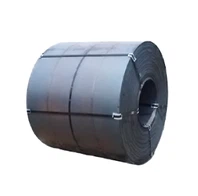
What is the service life of plate A516 Gr 70?
As a supplier of plate A516 Gr 70, I often get asked about the service life of this particular steel plate. Plate A516 Gr 70 is a widely used carbon steel plate known for its excellent welding properties, high strength, and good notch toughness, especially at low temperatures. It is commonly used in the construction of pressure vessels, boilers, and other applications where reliable performance under pressure and temperature variations is required.
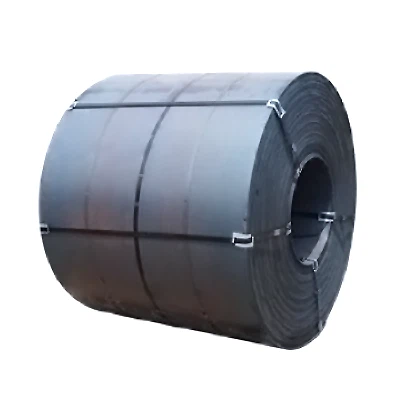

Determining the exact service life of plate A516 Gr 70 is not a straightforward task as it depends on a multitude of factors. These factors can be broadly classified into material - related, environmental, and operational factors.
Material - related factors
- Quality of the steel: The service life of plate A516 Gr 70 starts with its manufacturing process. High - quality steel plates are produced through strict control of chemical composition and a carefully managed rolling and heat - treatment process. The small variations in chemical composition can significantly affect the mechanical properties of the steel. For example, an appropriate amount of carbon, manganese, sulfur, and phosphorus is crucial. If the sulfur content is too high, it can form low - melting - point sulfide inclusions, which may lead to hot - shortness and reduce the overall toughness and resistance to cracking of the plate. A well - controlled manufacturing process ensures uniform grain structure and stable mechanical properties, which are essential for a long service life.
- Thickness of the plate: The thickness of the A516 Gr 70 plate can also impact its service life. Thicker plates may have different stress - distribution characteristics compared to thinner ones when subjected to the same load. In some cases, thicker plates may be more resistant to deformation due to their higher cross - sectional area, but they may also be more prone to internal defects during the manufacturing process, such as porosity or non - uniform cooling. These internal defects can act as stress concentrators and accelerate the onset of fatigue or cracking over time.
Environmental factors
- Corrosion: One of the most common environmental factors that affect the service life of plate A516 Gr 70 is corrosion. Corrosion occurs when the steel is exposed to a corrosive environment, such as moisture, acids, or salts. The rate of corrosion depends on the type of environment and the presence of protective coatings. For example, in a marine environment, where the plate is constantly exposed to saltwater, the corrosion rate can be relatively high. Unprotected A516 Gr 70 plates can develop rust quickly, which not only reduces the thickness of the plate but also weakens its structure. Applying protective coatings, such as paints or galvanizing, can significantly slow down the corrosion process and extend the service life of the plate. However, the effectiveness of these coatings also depends on their quality and the condition of application.
- Temperature variations: Plate A516 Gr 70 is designed to withstand a certain range of temperatures. Extreme temperature variations can cause thermal stress in the plate. When the plate is heated or cooled rapidly, it expands or contracts, and if these changes are not uniform, it can lead to the formation of internal stresses. Over time, repeated thermal cycling can cause fatigue cracking in the plate. For example, in a boiler application, where the plate is exposed to high - temperature steam and then cooled during shutdowns, thermal fatigue can be a significant concern.
Operational factors
- Load and stress levels: The service life of plate A516 Gr 70 is closely related to the load and stress it experiences during operation. If the plate is subjected to excessive static or dynamic loads, it may deform or crack prematurely. For example, in a pressure vessel, the internal pressure generates circumferential and longitudinal stresses in the plate. If the design pressure is too high for the plate's thickness and strength, it can lead to plastic deformation or even rupture. Dynamic loads, such as vibrations or impact loads, can also cause fatigue damage to the plate over time.
- Frequency of use: The more frequently the plate is used, the more likely it is to experience wear and tear. For example, in a continuous - operation industrial process, the plate may be subject to repeated stress cycles, which can lead to fatigue failure. In contrast, a plate used in a less - frequent operation may have a longer service life as it has more time to recover from the applied stresses between uses.
To estimate the service life of plate A516 Gr 70, engineering calculations and simulations are often used. These calculations take into account all the factors mentioned above and use accumulated damage theories to predict when the plate is likely to fail. For example, the fatigue life of the plate can be estimated using the S - N curve (stress - number of cycles curve), which shows the relationship between the applied stress amplitude and the number of cycles to failure.
In addition to these factors, the service life can also be compared with other similar steel plates. For instance, S355JO, SM490B, and A573GR70 are all low - alloy steel plates that have their own characteristics and service - life expectancies. Each of these plates has different chemical compositions and mechanical properties, which affect their performance in different environments and applications.
S355JO is a structural steel with good weldability and toughness, and it is often used in general construction applications. The service life of S355JO may be influenced by similar factors as A516 Gr 70, but due to its different application scenarios and material properties, the actual service life may vary.
SM490B is a Japanese standard steel plate often used in shipbuilding and general machinery. Its service life is affected by factors such as the marine environment in shipbuilding applications and the operational loads in machinery.
A573GR70 is also a carbon - manganese - silica steel, similar to A516 Gr 70, but it may have different mechanical properties due to differences in manufacturing standards and chemical compositions. Comparing these plates can give a better understanding of the service life of A516 Gr 70 in specific applications.
In conclusion, while it is difficult to give a definite answer to the question of what the service life of plate A516 Gr 70 is, understanding the various factors that influence it is essential. As a supplier, we are committed to providing high - quality plate A516 Gr 70 and offering guidance on how to extend its service life through proper installation, maintenance, and protection. If you have specific requirements for plate A516 Gr 70 and are interested in procurement, we encourage you to contact us for further discussion. Our team of experts can help you select the most suitable plate for your application and provide comprehensive solutions to ensure its long - term performance.
References
- ASME Boiler and Pressure Vessel Code - Section II, Part A: Ferrous Material Specifications
- ASTM A516/A516M - 17 Standard Specification for Pressure Vessel Plates, Carbon Steel, for Moderate - and Lower - Temperature Service
- "Metallurgy and Design of Welded Structures" by D. V. Nageswara Rao