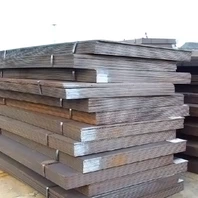
As a supplier of Pressure Vessel Plates, ensuring the safety of these plates during use is of utmost importance. Pressure vessel plates are used in a wide range of industries, including oil and gas, chemical processing, power generation, and more. These plates are designed to withstand high pressure and temperature conditions, and any failure can lead to catastrophic consequences. In this blog post, I will share some key strategies and best practices to ensure the safety of Pressure Vessel Plates in use.
Material Selection
The first step in ensuring the safety of Pressure Vessel Plates is selecting the right material. Different applications require different types of materials based on factors such as pressure, temperature, corrosion resistance, and mechanical properties. For example, astm a537 16Mo3 is a popular choice for applications where high temperature and pressure resistance are required. This material has excellent creep resistance and can withstand extreme conditions without losing its mechanical properties.
Another commonly used material is P335GH Pressure Plate SA516GR70. This material is known for its good weldability and toughness, making it suitable for a variety of pressure vessel applications. SA516GR70 is also a widely used material in the industry, especially for low to medium pressure applications. It has good impact resistance and is relatively easy to fabricate.
When selecting a material, it is important to consider the specific requirements of the application. This includes factors such as the operating pressure and temperature, the type of fluid or gas being contained, and the environmental conditions. It is also important to ensure that the material meets the relevant industry standards and specifications.
Quality Control
Once the material has been selected, it is essential to implement a rigorous quality control process. This includes inspecting the raw materials for any defects or impurities, conducting non-destructive testing (NDT) during the manufacturing process, and performing final inspections before the plates are shipped to the customer.
Non-destructive testing methods such as ultrasonic testing (UT), radiographic testing (RT), and magnetic particle testing (MT) can be used to detect internal and surface defects in the plates. These tests can help identify any potential issues early on, allowing for corrective action to be taken before the plates are put into service.
In addition to NDT, it is also important to perform mechanical testing to ensure that the plates meet the required mechanical properties. This includes testing for tensile strength, yield strength, elongation, and impact toughness. These tests can be performed in accordance with the relevant industry standards and specifications.
Proper Installation
Proper installation of the Pressure Vessel Plates is crucial for ensuring their safety in use. This includes following the manufacturer's installation instructions and guidelines, as well as any relevant industry standards and codes.
During installation, it is important to ensure that the plates are properly aligned and welded. Welding is a critical process in the installation of pressure vessel plates, and it is important to use qualified welders and follow proper welding procedures. Welds should be inspected for quality and integrity using NDT methods to ensure that they meet the required standards.
In addition to proper alignment and welding, it is also important to ensure that the plates are properly supported and braced. This can help prevent deformation and stress concentrations, which can lead to premature failure of the plates.
Regular Inspection and Maintenance
Regular inspection and maintenance of the Pressure Vessel Plates are essential for ensuring their continued safety in use. This includes conducting visual inspections, NDT, and mechanical testing at regular intervals to detect any signs of wear, corrosion, or damage.
Visual inspections can be used to detect any obvious signs of damage or corrosion on the surface of the plates. NDT methods can be used to detect internal defects that may not be visible to the naked eye. Mechanical testing can be used to monitor the mechanical properties of the plates over time and ensure that they are still within the required specifications.
In addition to inspections, it is also important to perform regular maintenance on the pressure vessel plates. This includes cleaning the plates to remove any dirt, debris, or corrosion, and applying protective coatings to prevent further corrosion. It is also important to repair any damage or defects as soon as they are detected to prevent them from worsening.
Training and Education
Finally, it is important to provide training and education to the personnel involved in the design, installation, operation, and maintenance of the Pressure Vessel Plates. This includes providing training on the proper use and handling of the plates, as well as on the relevant industry standards and codes.

Training can help ensure that the personnel have the necessary knowledge and skills to perform their jobs safely and effectively. It can also help raise awareness of the potential hazards associated with pressure vessel plates and the importance of following proper safety procedures.
In conclusion, ensuring the safety of Pressure Vessel Plates in use requires a comprehensive approach that includes material selection, quality control, proper installation, regular inspection and maintenance, and training and education. By following these strategies and best practices, we can help ensure that our customers' pressure vessel plates are safe and reliable in use.
If you are interested in learning more about our Pressure Vessel Plates or have any questions about their safety and use, please feel free to contact us for further discussion and potential procurement opportunities.
References
- ASME Boiler and Pressure Vessel Code
- ASTM International Standards
- API Standards