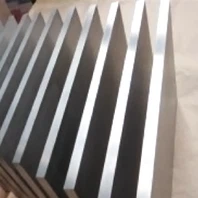
Hey there! As a supplier of Pressure Vessel Plate, I'm super excited to walk you through the production process of this essential material. Pressure vessel plates are used in a wide range of industries, from oil and gas to chemical processing, so getting the production right is crucial.
Raw Material Selection
The first step in making pressure vessel plates is choosing the right raw materials. We need to pick high - quality steel that can meet the specific requirements of different applications. For example, some projects might need plates with high strength, while others require good corrosion resistance.
We often work with different grades of steel, like astm a537 16Mo3, SA285GrA, and SA516GR70. Each grade has its own unique properties. 16Mo3 has good heat resistance, which makes it great for applications where high temperatures are involved. SA285GrA is known for its low - and intermediate - strength and is often used in general pressure vessel construction. SA516GR70 is a popular choice for moderate and lower temperature service, especially in the oil and gas industry.
We source our raw materials from reliable steel mills. Before using them, we conduct a series of tests to make sure they meet our quality standards. These tests include chemical composition analysis and mechanical property testing. We check things like the percentage of carbon, manganese, and other elements in the steel, as well as its tensile strength, yield strength, and elongation.
Steelmaking
Once we've got the right raw materials, it's time for steelmaking. There are two main methods we use: the basic oxygen furnace (BOF) method and the electric arc furnace (EAF) method.
The BOF method is a traditional way of making steel. In this process, molten iron from a blast furnace is poured into a converter. Then, pure oxygen is blown into the converter at high speed. The oxygen reacts with the impurities in the iron, like carbon, silicon, and phosphorus, to form oxides. These oxides are then removed as slag. This method is great for large - scale production and can produce high - quality steel quickly.
The EAF method, on the other hand, uses electricity to melt scrap steel. It's a more flexible method, especially when we want to recycle steel. We put the scrap steel into an electric arc furnace and use electrodes to create an electric arc. The heat from the arc melts the scrap steel. We can also add some alloying elements during this process to get the desired chemical composition.
After the steel is made, we perform another round of quality control. We take samples from the molten steel and test them to ensure that the chemical composition and other properties are within the specified range.
Continuous Casting
Once the steel is made, it's time for continuous casting. This process turns the molten steel into semi - finished products, like slabs.
The molten steel is poured from a ladle into a tundish, which acts as a buffer. From the tundish, the steel flows into a water - cooled copper mold. As the steel enters the mold, it starts to solidify on the outside. The solidified shell is then pulled out of the mold at a constant speed by a series of rollers. As it moves along, more water is sprayed on the slab to cool it further and complete the solidification process.
Continuous casting is a very efficient process. It can produce slabs with a uniform cross - section and good surface quality. We can control the size and shape of the slabs by adjusting the parameters of the casting machine.
Rolling
After continuous casting, the slabs are sent to the rolling mill for further processing. Rolling is the process of reducing the thickness of the slabs and improving their mechanical properties.
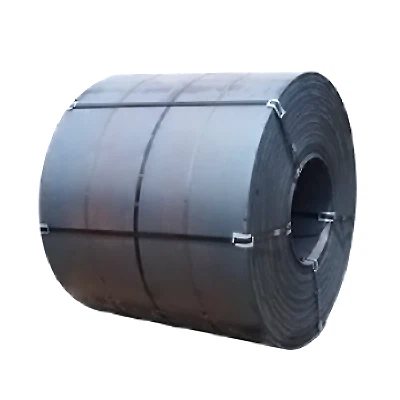
The slabs are first heated in a reheating furnace to a high temperature, usually around 1100 - 1200°C. This makes the steel more malleable and easier to roll. Then, the heated slabs are passed through a series of rolling mills. Each mill reduces the thickness of the slab a little bit at a time.
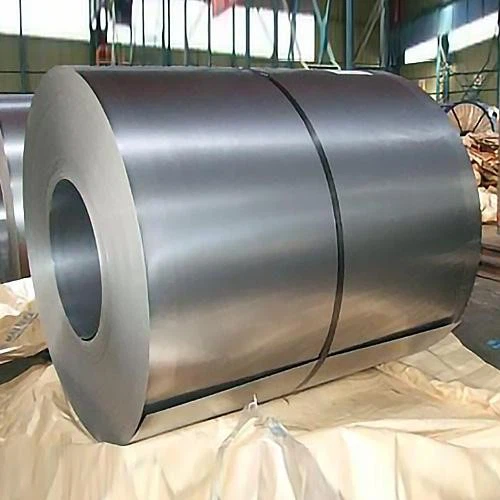
There are two main types of rolling: hot rolling and cold rolling. Hot rolling is done at high temperatures. It can produce large - sized plates quickly. Cold rolling, on the other hand, is done at room temperature or slightly above. It can produce plates with a smoother surface finish and more precise dimensions.
During the rolling process, we also control the rolling speed, the amount of reduction in each pass, and the temperature of the steel. These parameters affect the final properties of the pressure vessel plates, such as their strength, hardness, and toughness.
Heat Treatment
Heat treatment is an important step in the production of pressure vessel plates. It helps to improve the mechanical properties of the plates and relieve internal stresses.
There are several types of heat treatment processes we use, including annealing, normalizing, quenching, and tempering.
Annealing is a process of heating the plates to a specific temperature and then cooling them slowly. This helps to soften the steel, reduce internal stresses, and improve its ductility. Normalizing is similar to annealing, but the cooling rate is faster. It helps to refine the grain structure of the steel and improve its strength and toughness.
Quenching is a rapid cooling process. We heat the plates to a high temperature and then quickly cool them in a quenching medium, like water or oil. This makes the steel very hard. However, quenched steel is also very brittle. So, we usually follow quenching with tempering. Tempering is a process of heating the quenched steel to a lower temperature and then cooling it slowly. This helps to reduce the brittleness and improve the toughness of the steel.
After heat treatment, we conduct another round of testing to make sure the plates have the desired mechanical properties.
Surface Treatment
Once the heat treatment is done, we move on to surface treatment. This step is important to protect the pressure vessel plates from corrosion and improve their appearance.
We usually start by shot blasting the plates. Shot blasting is a process of propelling small steel shots at high speed onto the surface of the plates. This removes any scale, rust, or other contaminants from the surface. It also creates a rough surface, which helps the paint or coating to adhere better.
After shot blasting, we apply a primer or a coating to the plates. There are different types of coatings available, such as epoxy coatings, zinc - rich coatings, and polyurethane coatings. The choice of coating depends on the application and the environment where the pressure vessel will be used.
Final Inspection and Testing
Before the pressure vessel plates are ready to be shipped, we conduct a final inspection and testing. This is to make sure that the plates meet all the required standards and specifications.
We perform a visual inspection to check for any surface defects, like cracks, scratches, or unevenness. We also use non - destructive testing methods, such as ultrasonic testing, magnetic particle testing, and radiographic testing. These methods can detect internal defects, like cracks or inclusions, without damaging the plates.
In addition, we conduct mechanical property testing again to confirm the strength, ductility, and other properties of the plates. We make sure that the plates meet the requirements of relevant standards, such as ASTM, ASME, or other international standards.
Conclusion
So, that's the production process of pressure vessel plates in a nutshell. It's a complex process that involves many steps, from raw material selection to final inspection. At every step, we pay close attention to quality control to make sure that we deliver high - quality pressure vessel plates to our customers.
If you're in the market for pressure vessel plates, whether it's astm a537 16Mo3, SA285GrA, or SA516GR70, we'd love to talk to you. We can provide you with the right plates for your specific needs. Don't hesitate to reach out and start a conversation about your procurement requirements.
References
- ASME Boiler and Pressure Vessel Code
- ASTM International Standards for Steel Plates
- "The Making, Shaping and Treating of Steel" by United States Steel Corporation