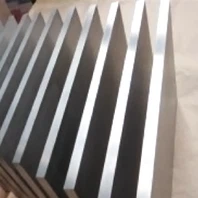
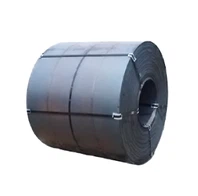
Hey there! I'm a supplier of ASME SA516 steel, and today I wanna chat about the acoustic property of ASME SA516. You might be thinking, "Acoustic property? What's that got to do with steel?" Well, it turns out that understanding the acoustic property of this steel can be super important in a bunch of industries.
First off, let's quickly go over what ASME SA516 is. It's a specification for pressure vessel plates, mainly used in the fabrication of boilers, storage tanks, and other pressure - containing equipment. This steel is known for its good weldability, notch toughness, and strength, especially at low temperatures.
Now, onto the acoustic property. Acoustic properties of a material refer to how it behaves when sound waves interact with it. When we talk about ASME SA516, these properties can tell us a lot about the internal structure and quality of the steel.
One of the key acoustic properties is sound velocity. Sound travels through different materials at different speeds, and for ASME SA516, the sound velocity can give us clues about its density and elasticity. A change in sound velocity might indicate variations in the steel's composition or the presence of internal defects like cracks or voids. For example, if there's a crack in the steel, the sound wave will encounter an interruption, and the velocity may change as it tries to navigate around the defect.
Another important aspect is acoustic attenuation. This is the reduction in the amplitude of a sound wave as it travels through the material. In ASME SA516, acoustic attenuation can be affected by factors such as the grain size of the steel. A larger grain size generally leads to more scattering of the sound waves, which in turn increases the attenuation. By measuring the attenuation, we can get an idea of the grain structure and the overall homogeneity of the steel.
So, why does all this matter in the real world? Well, in industries where ASME SA516 is used, like the oil and gas or power generation sectors, ensuring the quality of the steel is crucial. Acoustic testing methods, such as ultrasonic testing, rely on these acoustic properties. Ultrasonic testing uses high - frequency sound waves to detect internal flaws in the steel. If you're building a pressure vessel, you don't want any hidden cracks or defects that could lead to a catastrophic failure down the line. By understanding the acoustic properties of ASME SA516, we can use ultrasonic testing more effectively to ensure the safety and reliability of the final product.
Now, how does ASME SA516 compare to other similar steels in terms of acoustic properties? Let's take a look at some alternatives. There's the SM490C, which is a low - alloy steel plate. It has its own set of acoustic characteristics. The sound velocity and attenuation in SM490C might be different from ASME SA516 due to differences in its chemical composition and manufacturing process. Similarly, the S355JR is another steel that's widely used. It also has unique acoustic properties that are influenced by its specific alloying elements and microstructure. And then there's the SM490A JISG3106 SM490, which has its own acoustic fingerprint.
When it comes to choosing between these steels, the acoustic properties can play a role. For example, if a particular application requires very precise ultrasonic testing, a steel with more consistent acoustic properties might be preferred. ASME SA516 is often a top choice in many applications because of its relatively stable acoustic behavior, which makes it easier to detect flaws accurately.
As a supplier of ASME SA516, I know how important it is to provide high - quality steel. We conduct thorough acoustic testing on all our products to ensure they meet the strictest industry standards. Our team of experts uses state - of - the - art ultrasonic testing equipment to check for any internal defects. We also keep a close eye on the acoustic properties during the manufacturing process to make sure the steel has the right density, elasticity, and grain structure.
If you're in the market for ASME SA516 or are just curious about its acoustic properties, I'd love to have a chat with you. Whether you're involved in a small - scale project or a large - scale industrial venture, having the right steel with the right acoustic characteristics can make all the difference. Don't hesitate to reach out if you have any questions or if you're looking to start a procurement process. We're here to help you find the best solution for your needs.
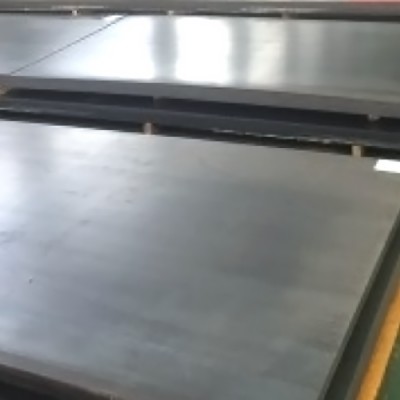

In conclusion, the acoustic property of ASME SA516 is a fascinating and important aspect of this widely - used steel. It provides valuable insights into the steel's quality and internal structure, and it plays a crucial role in ensuring the safety and reliability of products made from it. So, if you're considering using ASME SA516 in your next project, keep these acoustic properties in mind, and feel free to get in touch with us for more information.
References
- ASME Boiler and Pressure Vessel Code Section II, Part A - Ferrous Material Specifications
- Various industry research papers on ultrasonic testing of steel materials