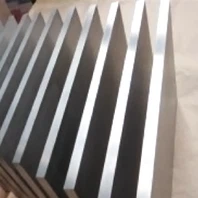
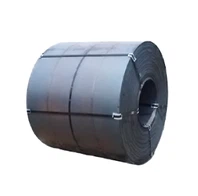
What is the magnetic property of Pressure Vessel Plate?
As a long - standing supplier of pressure vessel plates, I've encountered numerous inquiries regarding the various properties of these plates, with the magnetic property being one that often piques the curiosity of our clients. In this blog, I'll delve into the magnetic property of pressure vessel plates, exploring what it is, why it matters, and how it can impact the applications of these plates.
Understanding Magnetism in Pressure Vessel Plates
The magnetic property of a material refers to its response to a magnetic field. When it comes to pressure vessel plates, this property can vary significantly depending on the material composition. Most pressure vessel plates are made from steel, which is an alloy primarily composed of iron, carbon, and other elements. Iron is ferromagnetic, which means it can be strongly attracted to a magnet and can also retain its own magnetic field under certain conditions.
However, not all steel - based pressure vessel plates exhibit the same level of magnetism. The addition of other elements such as nickel, chromium, and manganese can modify the magnetic behavior of the steel. For example, stainless steels, which are often used in pressure vessel applications, can be either ferromagnetic or non - ferromagnetic. Austenitic stainless steels, which contain high levels of nickel and chromium, are typically non - ferromagnetic. On the other hand, ferritic and martensitic stainless steels are ferromagnetic.
Why the Magnetic Property Matters
The magnetic property of pressure vessel plates can have several implications for their use.
1. Manufacturing and Welding
During the manufacturing process, magnetic properties can affect welding. Ferromagnetic materials can cause arc blow during welding, which is a phenomenon where the welding arc is deflected from its intended path. This can lead to poor weld quality, including uneven bead formation, lack of fusion, and porosity. Understanding the magnetic properties of the pressure vessel plate helps welders select the appropriate welding techniques and parameters to ensure high - quality welds.
2. Inspection and Testing
Magnetic particle inspection (MPI) is a common non - destructive testing method used to detect surface and near - surface defects in ferromagnetic materials. If a pressure vessel plate is ferromagnetic, MPI can be an effective way to identify cracks, laps, and other discontinuities. Non - ferromagnetic plates require alternative inspection methods such as ultrasonic testing or liquid penetrant testing.
3. Application in Magnetic Environments
In some industrial settings, pressure vessels may be exposed to magnetic fields. For example, in power generation plants or research facilities with magnetic equipment, the magnetic interaction between the pressure vessel and the surrounding magnetic field needs to be considered. Ferromagnetic pressure vessel plates can be attracted to magnets, which may cause alignment issues or mechanical stress on the vessel.
Common Pressure Vessel Plate Grades and Their Magnetic Properties
SA285GrC A387GR11CL2
SA285GrC A387GR11CL2 are commonly used pressure vessel plate grades. These plates are typically made of carbon steel or low - alloy steel, which are ferromagnetic. Their ferromagnetic nature makes them suitable for magnetic particle inspection, and they need to be welded with proper techniques to avoid arc blow.
ASTM A537CL2 SA285GrB
ASTM A537CL2 SA285GrB are also well - known grades in the pressure vessel industry. Similar to the previous grades, they are usually ferromagnetic due to their iron - based composition. They offer good strength and toughness, and their magnetic properties should be taken into account during manufacturing and inspection processes.
P335GH
P335GH is a European standard pressure vessel plate grade. It is a low - alloy steel that is ferromagnetic. This grade is widely used in the construction of pressure vessels for the power generation and petrochemical industries. The magnetic property of P335GH is crucial for ensuring proper inspection and high - quality welding during the vessel manufacturing process.
Controlling and Measuring the Magnetic Property
If the magnetic property of a pressure vessel plate needs to be controlled, it can be achieved through heat treatment and alloying. Heat treatment processes such as annealing can change the microstructure of the steel, which in turn can affect its magnetic properties. By carefully selecting the alloying elements and their proportions, manufacturers can also tailor the magnetic behavior of the pressure vessel plate.
Measuring the magnetic property of a pressure vessel plate can be done using various instruments. A gaussmeter can be used to measure the magnetic field strength of the plate. Magnetic susceptibility meters can also be employed to determine how easily the material can be magnetized.

Conclusion
In conclusion, the magnetic property of pressure vessel plates is a significant characteristic that can impact their manufacturing, inspection, and application. As a pressure vessel plate supplier, we understand the importance of providing our clients with detailed information about the magnetic properties of our products. Whether you need ferromagnetic plates for magnetic particle inspection or non - ferromagnetic plates for specific applications, we can offer a wide range of options to meet your requirements.
If you are in the market for high - quality pressure vessel plates and have questions about their magnetic properties or other aspects, please feel free to contact us for a purchasing consultation. We are committed to providing you with the best products and services to ensure the success of your projects.
References
- ASME Boiler and Pressure Vessel Code
- ASTM International Standards on Steel Plates for Pressure Vessels
- European Standard EN 10028 for Pressure Vessel Steels