Creep resistance is a critical property in materials used in high - temperature applications. As a supplier of A387GR11CL2, understanding the creep resistance of this material is essential for both us and our customers. In this blog, we will delve into what creep resistance is, how it pertains to A387GR11CL2, and why it matters in various industries.
What is Creep?
Creep is a time - dependent deformation that occurs in materials under a constant load at elevated temperatures. When a material is exposed to high temperatures for an extended period while under stress, it will gradually deform over time. This deformation is not immediate like the elastic or plastic deformation that occurs under normal conditions. Instead, it is a slow, continuous process that can lead to significant changes in the dimensions and shape of the material.
The creep process can be divided into three stages: primary creep, secondary creep, and tertiary creep. In the primary creep stage, the deformation rate is relatively high initially but decreases over time. This is due to the material's internal structure adjusting to the applied stress. The secondary creep stage is characterized by a relatively constant deformation rate. This is often the longest stage and is the most important for design purposes. Finally, in the tertiary creep stage, the deformation rate increases rapidly until the material fails.
Creep Resistance of A387GR11CL2
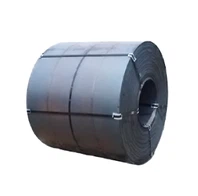
A387GR11CL2 is a chromium - molybdenum alloy steel plate that is commonly used in high - temperature and pressure applications, such as in the construction of boilers, pressure vessels, and piping systems. The creep resistance of A387GR11CL2 is one of its key properties that make it suitable for these demanding environments.

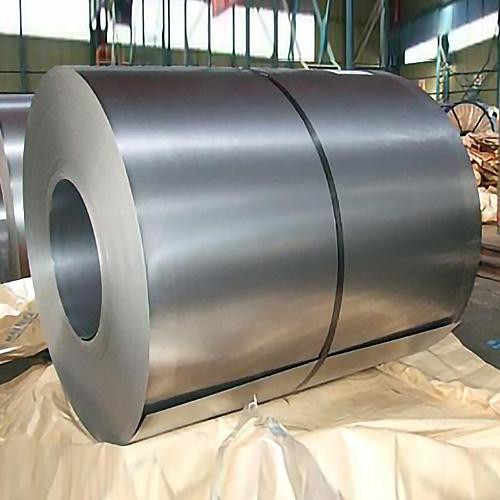
The chromium and molybdenum content in A387GR11CL2 plays a crucial role in its creep resistance. Chromium forms a protective oxide layer on the surface of the steel, which helps to prevent oxidation and corrosion at high temperatures. Molybdenum, on the other hand, strengthens the steel's grain boundaries and improves its resistance to creep deformation. These alloying elements work together to enhance the overall performance of A387GR11CL2 at elevated temperatures.
Research has shown that A387GR11CL2 has excellent creep resistance compared to some other common steels. For example, when compared to SA516GR70, which is a carbon steel used in pressure vessel applications, A387GR11CL2 can withstand higher temperatures and stresses for longer periods without significant creep deformation. Similarly, SA285GrA, another carbon steel used in pressure vessels, also has lower creep resistance than A387GR11CL2.
Factors Affecting the Creep Resistance of A387GR11CL2
Several factors can affect the creep resistance of A387GR11CL2. Temperature is one of the most significant factors. As the temperature increases, the creep rate of the material also increases. This is because higher temperatures provide more energy for the atoms in the material to move, which leads to more rapid deformation. Therefore, when using A387GR11CL2 in high - temperature applications, it is crucial to ensure that the operating temperature is within the material's recommended range.
The applied stress is another important factor. Higher stresses will result in a higher creep rate. The relationship between stress and creep rate is often described by power - law equations. Additionally, the microstructure of the material can also affect its creep resistance. A fine - grained microstructure generally provides better creep resistance than a coarse - grained microstructure because the grain boundaries act as barriers to the movement of dislocations, which are responsible for creep deformation.
Importance of Creep Resistance in Industries
The creep resistance of A387GR11CL2 is of great importance in industries such as power generation, petrochemical, and oil and gas. In power generation plants, boilers and steam pipes operate at high temperatures and pressures. A material with poor creep resistance could lead to deformation and failure of these components, which could result in costly downtime and potential safety hazards.
In the petrochemical and oil and gas industries, pressure vessels and piping systems are used to store and transport various chemicals and fluids at high temperatures and pressures. A387GR11CL2's excellent creep resistance ensures the long - term integrity of these components, reducing the risk of leaks and other failures.
Comparing A387GR11CL2 with SA516GR70
While both A387GR11CL2 and SA516GR70 are used in pressure vessel applications, their properties differ significantly, especially in terms of creep resistance. SA516GR70 is a carbon steel, which means it has a lower alloy content compared to A387GR11CL2. As a result, SA516GR70 has a lower creep resistance and is more suitable for applications where the operating temperatures are relatively low.
A387GR11CL2, on the other hand, with its chromium - molybdenum alloying elements, can withstand much higher temperatures and stresses without significant creep deformation. This makes it a better choice for high - temperature and high - pressure applications.
Quality Control and Assurance for Creep Resistance
As a supplier of A387GR11CL2, we understand the importance of ensuring the quality and creep resistance of our products. We implement strict quality control measures throughout the manufacturing process. This includes careful selection of raw materials, precise control of the alloying elements, and proper heat treatment to achieve the desired microstructure.
We also conduct various tests to verify the creep resistance of our A387GR11CL2 plates. These tests include long - term creep tests at elevated temperatures and stresses to simulate real - world operating conditions. By doing so, we can provide our customers with high - quality A387GR11CL2 plates that meet or exceed industry standards.
Conclusion
In conclusion, the creep resistance of A387GR11CL2 is a vital property that makes it a preferred choice for high - temperature and high - pressure applications. Its chromium - molybdenum alloy composition, along with proper manufacturing and quality control processes, ensures excellent performance in demanding environments.
If you are in need of high - quality A387GR11CL2 for your projects, we are here to provide you with the best products and services. Our team of experts can help you select the right material and answer any questions you may have. Contact us today to start the procurement and negotiation process, and let us work together to meet your needs.
References
- ASME Boiler and Pressure Vessel Code
- ASTM standards related to A387GR11CL2
- Research papers on the creep behavior of chromium - molybdenum steels