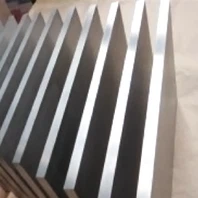
Magnetic particle testing (MPT), also known as magnetic particle inspection, is a non - destructive testing (NDT) method used to detect surface and near - surface discontinuities in ferromagnetic materials. As a leading supplier of A387 steel plates, I am well - versed in the significance and application of this testing method for ensuring the quality of our products.
Principle of Magnetic Particle Testing
The fundamental principle of magnetic particle testing is based on the fact that when a ferromagnetic material like A387 steel is magnetized, magnetic flux lines are generated within the material. If there is a discontinuity, such as a crack, porosity, or lack of fusion, the magnetic flux lines are disrupted. This disruption causes the magnetic field to leak out of the surface of the material at the location of the discontinuity.
When fine magnetic particles, either in a dry powder form or suspended in a liquid carrier (wet method), are applied to the magnetized surface, these particles are attracted to the areas of magnetic flux leakage. As a result, they accumulate at the site of the discontinuity, forming a visible indication that can be easily detected by the inspector.
Magnetization Methods for A387 Steel Plates
There are two main methods of magnetization used in magnetic particle testing for A387 steel plates: direct magnetization and indirect magnetization.
Direct Magnetization
In direct magnetization, an electric current is passed through the A387 steel plate itself. This creates a magnetic field within the plate. The most common way to achieve direct magnetization is by using prods or coils. Prods are handheld electrodes that are placed on the surface of the plate, and an electric current is passed between them. Coils, on the other hand, are used to generate a circular magnetic field around the plate when the plate is placed inside the coil.
Indirect Magnetization
Indirect magnetization involves creating a magnetic field in the A387 steel plate without passing an electric current through it. This can be done using permanent magnets or electromagnets. Permanent magnets are simple and portable, but their magnetic field strength is limited. Electromagnets, however, can be adjusted to provide different levels of magnetic field strength, making them more suitable for large - scale testing of A387 steel plates.
Preparation for Magnetic Particle Testing
Before conducting magnetic particle testing on A387 steel plates, proper preparation is essential to ensure accurate and reliable results.
Surface Cleaning
The surface of the A387 steel plate must be clean and free from any contaminants such as rust, scale, paint, or oil. These contaminants can interfere with the movement of magnetic particles and may cause false indications. Surface cleaning can be achieved using methods such as grinding, sandblasting, or chemical cleaning.
Demagnetization
If the A387 steel plate has been previously magnetized, it must be demagnetized before testing. Residual magnetism can affect the accuracy of the test results by causing the magnetic particles to be attracted to areas that are not actual discontinuities. Demagnetization is typically done by gradually reducing the magnetic field strength in the plate using a demagnetizing coil.
Application of Magnetic Particles
Once the A387 steel plate is properly prepared and magnetized, magnetic particles are applied to the surface. There are two types of magnetic particles: dry particles and wet particles.
Dry Magnetic Particles
Dry magnetic particles are typically made of iron oxide or other ferromagnetic materials in a powder form. They are applied to the magnetized surface using a powder blower. Dry particles are suitable for testing in areas where there is limited access to water or where a quick inspection is required. However, they may not be as sensitive as wet particles in detecting small discontinuities.
Wet Magnetic Particles
Wet magnetic particles are suspended in a liquid carrier, such as water or oil. The liquid carrier helps to improve the mobility of the magnetic particles and allows them to better adhere to the surface of the plate. Wet particles are generally more sensitive than dry particles and are commonly used for high - sensitivity testing of A387 steel plates.
Inspection and Evaluation
After the magnetic particles have been applied to the surface of the A387 steel plate, the inspector visually examines the surface for any indications of discontinuities. These indications appear as clusters or lines of magnetic particles.
Classification of Indications
Indications can be classified into relevant and non - relevant indications. Relevant indications are those that are caused by actual discontinuities in the material, such as cracks or porosity. Non - relevant indications, on the other hand, are caused by factors such as surface roughness, magnetic field variations, or improper application of magnetic particles.
Evaluation of Indications
Once relevant indications are identified, they need to be evaluated to determine their severity. This is typically done by measuring the size, shape, and location of the indication. In some cases, additional testing may be required to confirm the nature of the discontinuity, such as ultrasonic testing or radiographic testing.

Significance of Magnetic Particle Testing for A387 Steel Plates
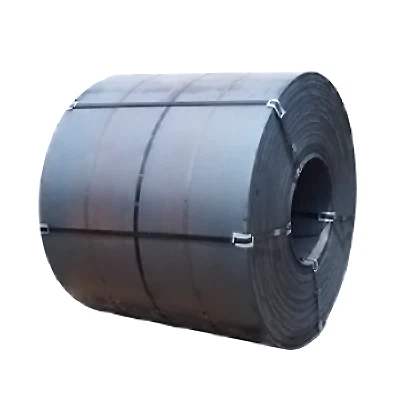
As a supplier of A387 steel plates, magnetic particle testing plays a crucial role in ensuring the quality and safety of our products. A387 steel plates are commonly used in high - temperature and high - pressure applications, such as in the construction of pressure vessels and boilers. Any undetected discontinuities in these plates can lead to catastrophic failures, resulting in significant economic losses and potential harm to human lives.
By using magnetic particle testing, we can detect surface and near - surface discontinuities in A387 steel plates at an early stage, allowing us to take appropriate measures such as repair or rejection of the defective plates. This helps to maintain the high quality standards of our products and ensures the satisfaction of our customers.
Comparison with Other Non - Destructive Testing Methods
Magnetic particle testing is just one of several non - destructive testing methods available for inspecting A387 steel plates. Each method has its own advantages and limitations.
Ultrasonic Testing
Ultrasonic testing uses high - frequency sound waves to detect internal discontinuities in the A387 steel plate. It is more suitable for detecting subsurface defects and can provide information about the depth and size of the discontinuity. However, it requires skilled operators and may not be as effective in detecting surface - breaking discontinuities as magnetic particle testing.
Radiographic Testing
Radiographic testing uses X - rays or gamma rays to create an image of the internal structure of the A387 steel plate. It is very effective in detecting internal defects such as porosity and lack of fusion. However, it is expensive, time - consuming, and requires strict safety precautions due to the use of radiation.
Conclusion
Magnetic particle testing is a valuable non - destructive testing method for detecting surface and near - surface discontinuities in A387 steel plates. As a supplier of A387 steel plates, we rely on this method to ensure the quality and safety of our products. By following proper testing procedures and using high - quality magnetic particles, we can accurately detect and evaluate discontinuities, thereby providing our customers with reliable and high - performance steel plates.
If you are in the market for high - quality A387 steel plates, or other related products such as P335GH, SA516GR70, and P275NL1, please feel free to contact us for procurement and further discussions. We are committed to providing you with the best products and services.
References
- ASNT (American Society for Nondestructive Testing). "Magnetic Particle Testing Handbook".
- ASTM (American Society for Testing and Materials). "Standards for Magnetic Particle Testing of Ferromagnetic Materials".