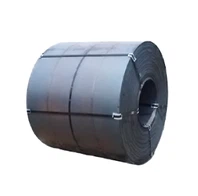
As a supplier of vessel plate A516GR70, I am often asked about the liquid penetrant inspection requirements for this particular type of steel plate. Liquid penetrant inspection (LPI), also known as dye penetrant inspection, is a widely used non - destructive testing (NDT) method for detecting surface - breaking defects in materials. In the context of vessel plate A516GR70, which is commonly used in the fabrication of pressure vessels and boilers, ensuring the integrity of the material through proper inspection is of utmost importance.
Understanding Vessel Plate A516GR70
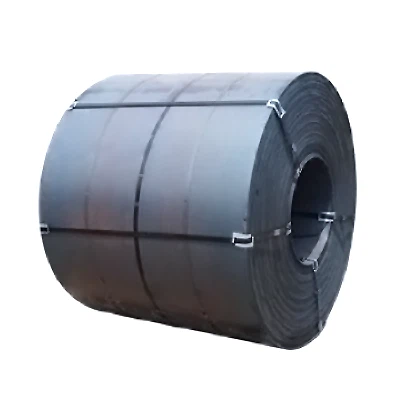
Vessel plate A516GR70 is a carbon steel plate that offers excellent notch toughness and weldability. It is suitable for low - and intermediate - temperature service in welded pressure vessels. The "A516" refers to the ASTM standard specification, and "GR70" indicates the grade, which has a minimum yield strength of 38,000 psi (262 MPa) and a minimum tensile strength of 70,000 psi (483 MPa).
Importance of Liquid Penetrant Inspection
The primary purpose of liquid penetrant inspection for vessel plate A516GR70 is to detect surface - breaking defects such as cracks, porosity, laps, and seams. These defects can compromise the structural integrity of the pressure vessel and may lead to catastrophic failures under pressure. By identifying these defects early in the manufacturing process, corrective actions can be taken, ensuring the safety and reliability of the final product.
Liquid Penetrant Inspection Process
The liquid penetrant inspection process for vessel plate A516GR70 typically consists of the following steps:
Pre - cleaning
The surface of the plate must be thoroughly cleaned before the application of the penetrant. This involves removing any dirt, oil, grease, paint, or other contaminants that could interfere with the penetrant's ability to enter the defects. Solvents, detergents, or mechanical cleaning methods may be used depending on the nature and extent of the contamination.
Penetrant Application
A liquid penetrant, which is usually a brightly colored or fluorescent dye, is applied to the surface of the plate. The penetrant is allowed to dwell for a specified period, typically between 10 to 60 minutes, depending on the type of penetrant and the size of the expected defects. During this time, the penetrant seeps into the surface - breaking defects by capillary action.
Excess Penetrant Removal
After the dwell time, the excess penetrant is carefully removed from the surface of the plate. This is a critical step as any remaining penetrant on the surface can cause false indications. The removal process must be carried out in a way that does not remove the penetrant trapped inside the defects. Depending on the type of penetrant, different removal methods such as water washing, solvent wiping, or emulsification may be used.
Developer Application
A developer is then applied to the surface of the plate. The developer acts as a blotter, drawing the penetrant out of the defects and making them visible. The developer is usually a white powder that forms a thin layer on the surface. After application, the plate is allowed to dry, and any defects will appear as bright red (for visible penetrants) or fluorescent indications (for fluorescent penetrants) against the white background of the developer.
Inspection
The final step is the inspection of the plate. The inspector examines the surface under appropriate lighting conditions. For visible penetrants, normal white light is sufficient, while fluorescent penetrants require ultraviolet (UV) light for inspection. The size, shape, and location of the defects are recorded, and their acceptability is determined based on the relevant standards and specifications.

Standards and Specifications
The liquid penetrant inspection requirements for vessel plate A516GR70 are typically governed by industry standards such as ASTM E165 (Standard Practice for Liquid Penetrant Examination) and ASME Boiler and Pressure Vessel Code (BPVC). These standards specify the requirements for the penetrant materials, inspection procedures, acceptance criteria, and personnel qualifications.
ASTM E165
ASTM E165 provides detailed guidelines for the liquid penetrant inspection process, including the selection of penetrants, developers, and emulsifiers, as well as the inspection techniques and equipment. It also outlines the requirements for calibration and quality control of the inspection process.
ASME BPVC
The ASME BPVC sets the requirements for the design, fabrication, and inspection of pressure vessels. Section V of the ASME BPVC specifically addresses non - destructive examination methods, including liquid penetrant inspection. It provides acceptance criteria for different types of defects based on the intended service conditions of the pressure vessel.
Acceptance Criteria
The acceptance criteria for liquid penetrant inspection of vessel plate A516GR70 are defined by the relevant standards and the customer's requirements. Generally, any linear or rounded indications that exceed a certain size or length are considered unacceptable. For example, linear indications longer than 1/16 inch (1.6 mm) may be rejected, while rounded indications larger than 1/8 inch (3.2 mm) may also be non - conforming. However, these criteria can vary depending on the application and the level of risk associated with the pressure vessel.
Comparison with Other Steel Plates
When comparing the liquid penetrant inspection requirements for vessel plate A516GR70 with other similar steel plates such as S355JO, SM520C, and A573GR70, there are some similarities and differences.
All these steel plates require surface - breaking defect detection through liquid penetrant inspection. However, the specific acceptance criteria may vary due to differences in their chemical composition, mechanical properties, and intended applications. For example, S355JO is a low - alloy high - strength structural steel, and its inspection requirements may be more focused on detecting defects that could affect its structural performance under dynamic loading. On the other hand, SM520C is a Japanese standard steel plate, and its inspection requirements may be influenced by Japanese industrial standards.
Our Role as a Supplier
As a supplier of vessel plate A516GR70, we are committed to ensuring that our products meet the highest quality standards. We have a strict quality control system in place, which includes liquid penetrant inspection at various stages of the manufacturing process. Our experienced inspectors are trained to perform the inspection in accordance with the relevant standards and specifications, ensuring that only defect - free plates are delivered to our customers.
Contact Us for Procurement
If you are in the market for high - quality vessel plate A516GR70 and are concerned about the liquid penetrant inspection requirements, we are here to assist you. Our team of experts can provide you with detailed information about our inspection processes, acceptance criteria, and how we ensure the quality of our products. We are dedicated to providing you with the best solutions for your pressure vessel manufacturing needs. Contact us today to start a procurement discussion and experience the difference of working with a reliable supplier.
References
- ASTM E165 - Standard Practice for Liquid Penetrant Examination
- ASME Boiler and Pressure Vessel Code, Section V - Nondestructive Examination
- ASTM A516/A516M - Standard Specification for Pressure Vessel Plates, Carbon Steel, for Moderate - and Lower - Temperature Service