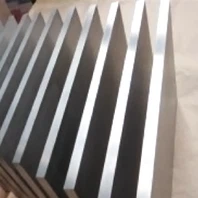
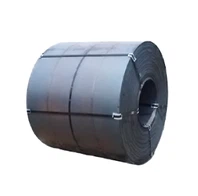
Hey there! I'm a supplier of pipeline plate X60, and today I wanna chat about something that might seem a bit technical but is super important: the friction coefficient of pipeline plate X60.
First off, let's understand what the friction coefficient is. In simple terms, it's a number that tells us how much friction there is between two surfaces when they're in contact and one is moving relative to the other. For pipeline plate X60, this matters a whole lot. When we're using these plates in pipelines, the friction can affect how well the pipeline functions, how much energy is needed to transport fluids through it, and even the lifespan of the pipeline.
The friction coefficient of pipeline plate X60 isn't a fixed value. It can vary depending on a bunch of factors. One of the main things is the surface roughness of the plate. If the surface is rough, there'll be more friction between the plate and whatever it's in contact with, like the fluid flowing through the pipeline or other parts of the pipeline structure. On the other hand, a smoother surface will generally have a lower friction coefficient.
Another factor is the type of fluid flowing through the pipeline. Different fluids have different viscosities, which is basically how thick or sticky they are. For example, a thick, viscous fluid like heavy oil will create more friction against the pipeline plate X60 compared to a thinner fluid like water. Temperature also plays a role. As the temperature changes, the properties of both the pipeline plate and the fluid can change, which in turn affects the friction coefficient.
Now, I know you might be wondering, "How do we measure the friction coefficient of pipeline plate X60?" Well, there are a few ways. One common method is to use a tribometer. This is a device that can measure the friction force between two surfaces. By conducting experiments with the pipeline plate X60 and a reference surface under controlled conditions, we can calculate the friction coefficient.
There are also some theoretical models that can be used to estimate the friction coefficient. These models take into account things like the material properties of the pipeline plate, the surface roughness, and the flow characteristics of the fluid. However, it's important to note that these models are just estimates, and actual measurements are often needed for accurate results.
As a supplier of pipeline plate X60, I've seen firsthand how important it is to understand the friction coefficient. It can have a big impact on the performance and cost - effectiveness of a pipeline project. For example, if the friction coefficient is too high, it might require more energy to pump the fluid through the pipeline, which means higher operating costs. On the other hand, if we can optimize the friction coefficient, we can save a lot of money in the long run.
When it comes to our pipeline plate X60, we take great care to ensure that the surface finish is as consistent as possible. This helps to keep the friction coefficient within an acceptable range. We also work closely with our customers to understand their specific needs and the conditions under which the pipeline will operate. That way, we can provide the best - suited pipeline plate X60 for their project.
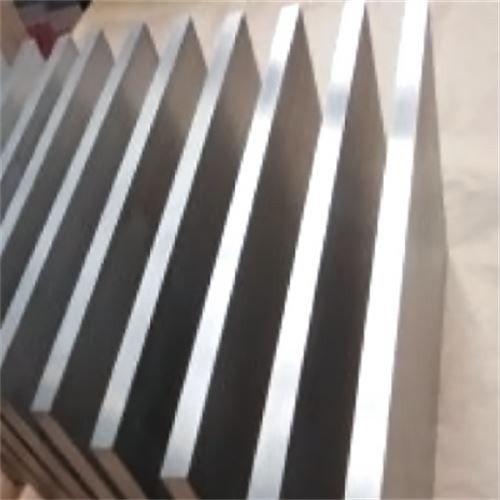

If you're in the market for pipeline plate X60, you might also be interested in some of our other products. Check out our LX46 Pipe Line Plate X46, which is a great option for certain applications. We also have LX560 and LX70, each with its own unique properties and advantages.
In conclusion, understanding the friction coefficient of pipeline plate X60 is crucial for anyone involved in pipeline projects. It affects everything from energy consumption to the overall lifespan of the pipeline. As a supplier, we're committed to providing high - quality pipeline plate X60 that meets the specific needs of our customers. If you have any questions or are interested in purchasing pipeline plate X60, don't hesitate to reach out. We're here to help you make the best decision for your project.
References:
- Engineering Tribology by Stachowiak and Batchelor
- Fluid Mechanics textbooks for understanding fluid - pipeline interactions