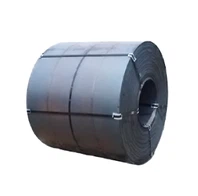
Hey there! As a supplier of Pressure Vessel Plates, I've been getting a lot of questions lately about the impact of phosphorus content on these plates. So, I thought I'd write a blog post to share some insights and clear up any confusion.
First off, let's talk about what phosphorus is and why it matters in Pressure Vessel Plates. Phosphorus is a chemical element that can be found in small amounts in steel. It's one of those elements that can have both positive and negative effects on the properties of the steel, depending on how much of it is present.
The Good Side of Phosphorus
A little bit of phosphorus can actually be beneficial for Pressure Vessel Plates. When present in controlled amounts, phosphorus can improve the strength and hardness of the steel. This is especially important for pressure vessels, which need to be able to withstand high pressures and stresses without failing.
For example, in some grades of steel used for pressure vessels, a small amount of phosphorus can help to increase the yield strength and tensile strength of the material. This means that the pressure vessel can hold more pressure without deforming or breaking. It can also improve the wear resistance of the steel, which is important for vessels that are used in abrasive environments.
The Bad Side of Phosphorus
However, too much phosphorus can have some serious negative effects on Pressure Vessel Plates. One of the main problems with high phosphorus content is that it can make the steel more brittle. Brittle steel is more likely to crack and fracture under stress, which is obviously a big problem for pressure vessels.
When the phosphorus content in the steel is too high, it can form brittle compounds at the grain boundaries of the steel. These compounds can weaken the structure of the steel and make it more susceptible to cracking. This is known as "phosphorus embrittlement," and it can significantly reduce the toughness and ductility of the pressure vessel plate.
Another issue with high phosphorus content is that it can reduce the weldability of the steel. Welding is an important process in the fabrication of pressure vessels, and if the steel is not weldable, it can cause problems during the manufacturing process. High phosphorus content can lead to the formation of cracks in the weld zone, which can compromise the integrity of the pressure vessel.
Controlling Phosphorus Content
So, how do we control the phosphorus content in Pressure Vessel Plates? As a supplier, we take several steps to ensure that the phosphorus content in our plates is within the acceptable limits.
First of all, we carefully select the raw materials that we use to make our pressure vessel plates. We work with high-quality steel mills that have strict quality control measures in place to ensure that the phosphorus content in the steel is within the specified range.
During the manufacturing process, we also monitor the phosphorus content of the steel at various stages. We use advanced testing techniques to analyze the chemical composition of the steel and make sure that the phosphorus content is within the acceptable limits. If the phosphorus content is too high, we can take steps to reduce it, such as by using a refining process to remove the excess phosphorus from the steel.
Industry Standards and Specifications
There are also industry standards and specifications that govern the maximum allowable phosphorus content in Pressure Vessel Plates. These standards are designed to ensure the safety and reliability of pressure vessels.
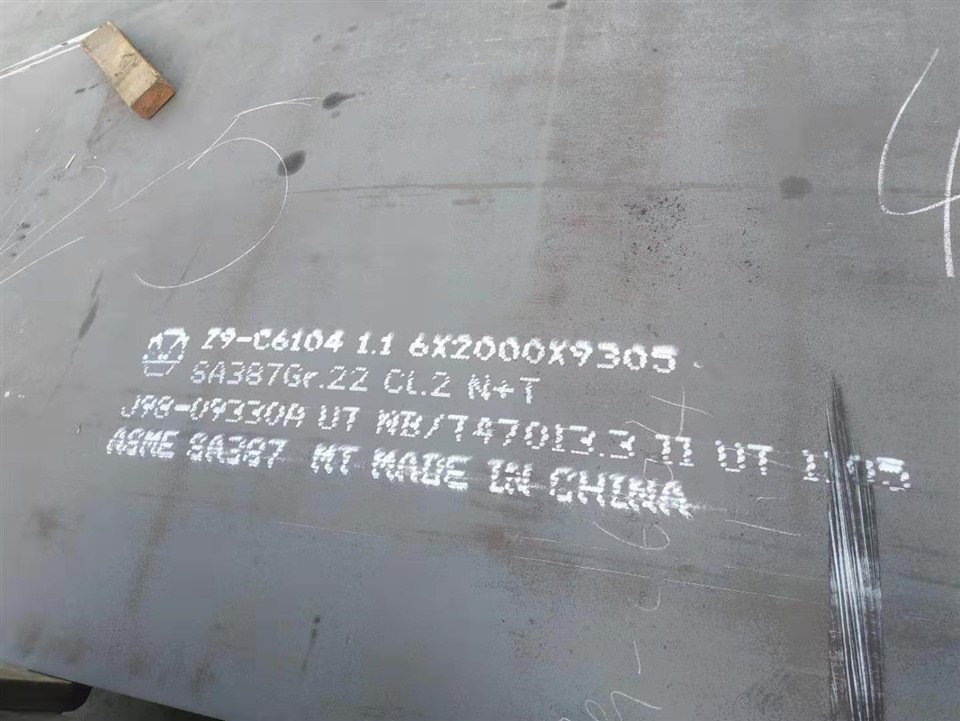
For example, the American Society for Testing and Materials (ASTM) has specific requirements for the phosphorus content in different grades of pressure vessel steel. For SA387GR11 A387 steel plate, the maximum phosphorus content is typically limited to 0.035%. Similarly, for SA516GR70 and ASTM A537CL2 SA285GrB, there are also strict limits on the phosphorus content to ensure the quality and performance of the plates.
Impact on Different Grades of Pressure Vessel Plates
The impact of phosphorus content can vary depending on the grade of the Pressure Vessel Plate. Different grades of steel have different chemical compositions and properties, and they may be more or less sensitive to the effects of phosphorus.
For example, some high-strength low-alloy (HSLA) steels may be more tolerant of higher phosphorus content than plain carbon steels. This is because the alloying elements in HSLA steels can help to mitigate the negative effects of phosphorus. However, even in HSLA steels, it's still important to keep the phosphorus content within the acceptable limits to ensure the best performance and safety of the pressure vessel.
Conclusion
In conclusion, the phosphorus content in Pressure Vessel Plates can have a significant impact on their performance and safety. A small amount of phosphorus can be beneficial, as it can improve the strength and wear resistance of the steel. However, too much phosphorus can make the steel more brittle, reduce its weldability, and compromise the integrity of the pressure vessel.
As a supplier of Pressure Vessel Plates, we take the issue of phosphorus content very seriously. We work hard to ensure that the phosphorus content in our plates is within the acceptable limits, and we follow all the industry standards and specifications to provide our customers with high-quality, safe, and reliable pressure vessel plates.
If you're in the market for Pressure Vessel Plates, it's important to choose a supplier who understands the importance of controlling phosphorus content. Make sure to ask about the chemical composition of the plates and the measures that the supplier takes to ensure the quality of the material.
If you have any questions or would like to discuss your pressure vessel plate requirements, feel free to reach out to us. We're always happy to help and provide you with the information you need to make an informed decision. Let's work together to find the perfect pressure vessel plates for your project.
References
- ASTM International. (Year). ASTM standards for pressure vessel steels.
- ASME Boiler and Pressure Vessel Code. (Year). Section II - Materials.