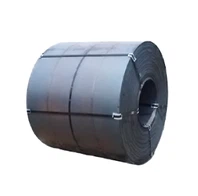
Formability is a crucial property when it comes to materials used in various industrial applications, especially in the manufacturing of pressure vessels, storage tanks, and other structural components. As a trusted supplier of ASTM A537 steel, I am often asked about the formability of this particular material. In this blog post, I will delve into what formability means in the context of ASTM A537, the factors that influence it, and how it compares to other related materials.
Understanding Formability
Formability refers to the ability of a material to undergo plastic deformation without cracking or failing. In the case of ASTM A537 steel, which is commonly used in pressure vessel applications, good formability is essential for processes such as bending, rolling, and stamping. These processes are often required to shape the steel into the desired final product, whether it's a cylindrical pressure vessel or a complex structural component.
The formability of ASTM A537 can be evaluated through several key parameters:
- Ductility: This is the ability of the material to deform plastically before fracture. High ductility indicates that the steel can be stretched or bent to a greater extent without breaking. ASTM A537 is known for its relatively high ductility, which makes it suitable for a wide range of forming operations.
- Strain Hardening: As the material is deformed, its strength increases, a phenomenon known as strain hardening. The rate of strain hardening affects how the material behaves during forming. A moderate strain hardening rate is desirable for ASTM A537, as it allows for significant deformation without excessive work hardening that could lead to cracking.
- Anisotropy: Anisotropy refers to the variation in mechanical properties depending on the direction of the material. In ASTM A537, anisotropy can affect formability, especially in processes where the material is deformed in multiple directions. Minimizing anisotropy is important to ensure consistent formability throughout the steel plate.
Factors Influencing the Formability of ASTM A537
Several factors can influence the formability of ASTM A537 steel:

- Chemical Composition: The chemical composition of ASTM A537 plays a significant role in its formability. Elements such as carbon, manganese, silicon, and sulfur can affect the material's strength, ductility, and other mechanical properties. For example, a lower carbon content generally improves ductility, while the presence of certain alloying elements can enhance strength and toughness.
- Microstructure: The microstructure of the steel, which is determined by factors such as the cooling rate during processing, also affects formability. A fine-grained microstructure typically provides better formability compared to a coarse-grained one. Heat treatment processes can be used to control the microstructure and optimize the formability of ASTM A537.
- Processing Conditions: The way the steel is processed, including rolling, heat treatment, and machining, can have a significant impact on its formability. For example, proper rolling practices can ensure a uniform microstructure and reduce anisotropy. Heat treatment can also be used to relieve internal stresses and improve the material's ductility.
Comparing ASTM A537 with Other Related Materials
When considering the formability of ASTM A537, it's useful to compare it with other related materials commonly used in pressure vessel applications.
- SA387GR11 A387 steel plate: SA387GR11 is a chromium-molybdenum alloy steel used for high-temperature applications. While it offers excellent high-temperature strength and corrosion resistance, its formability may be slightly lower compared to ASTM A537 due to the presence of alloying elements. However, with proper processing and heat treatment, SA387GR11 can still be formed into complex shapes.
- SA285GrC A387GR11CL2: SA285GrC is a carbon steel used for low- and intermediate-temperature pressure vessels. It has good formability and is relatively easy to weld. Compared to ASTM A537, SA285GrC may have lower strength but similar formability characteristics, making it a suitable alternative for less demanding applications.
- P335GH Pressure Plate SA516GR70: P335GH and SA516GR70 are both used for pressure vessels in the power generation and petrochemical industries. They offer good formability and weldability, similar to ASTM A537. However, the specific formability of each material can vary depending on factors such as chemical composition and processing.
Applications of ASTM A537 Based on Its Formability
The good formability of ASTM A537 makes it suitable for a wide range of applications:
- Pressure Vessels: ASTM A537 is commonly used in the construction of pressure vessels, where it can be formed into cylindrical or spherical shapes. The ability to undergo plastic deformation without cracking ensures the integrity of the vessel during manufacturing and operation.
- Storage Tanks: Storage tanks for liquids and gases often require materials with good formability to be fabricated into large, complex structures. ASTM A537 can be easily formed into the desired shape and welded to create leak-proof storage tanks.
- Structural Components: In structural applications, ASTM A537 can be used to fabricate beams, columns, and other components. Its formability allows for the creation of custom-designed structures that meet specific engineering requirements.
Ensuring Optimal Formability in ASTM A537
As a supplier of ASTM A537, I take several steps to ensure that our customers receive steel with optimal formability:
- Quality Control: We implement strict quality control measures throughout the manufacturing process to ensure that the chemical composition and mechanical properties of the steel meet the ASTM A537 standard. This includes regular testing of samples to verify ductility, strength, and other key parameters.
- Processing Expertise: Our experienced team uses advanced processing techniques to optimize the formability of the steel. This includes proper rolling, heat treatment, and machining processes to achieve a uniform microstructure and minimize anisotropy.
- Technical Support: We provide technical support to our customers to help them select the right grade of ASTM A537 for their specific application and to ensure that they achieve the best possible formability during processing.
Conclusion
The formability of ASTM A537 is a critical property that makes it a popular choice for a wide range of industrial applications. Its high ductility, moderate strain hardening rate, and relatively low anisotropy allow for easy forming into complex shapes without cracking. By understanding the factors that influence formability and taking steps to optimize it, we can ensure that our customers receive high-quality ASTM A537 steel that meets their specific requirements.
If you are interested in purchasing ASTM A537 steel for your next project, I encourage you to contact us for a consultation. Our team of experts can help you select the right grade and thickness of steel and provide you with all the information you need to ensure a successful project.
References
- ASTM International. ASTM A537/A537M - 19 Standard Specification for Pressure Vessel Plates, Heat - Treated, Carbon - Manganese - Silicon Steel.
- ASME Boiler and Pressure Vessel Code. Section II, Part A: Ferrous Material Specifications.
- Metals Handbook: Properties and Selection: Irons, Steels, and High - Performance Alloys, 9th Edition.