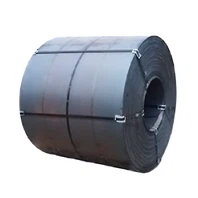
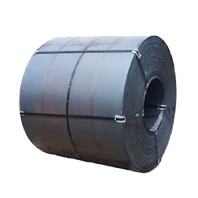
As a supplier of pipeline plate X60, I understand the critical importance of ensuring its low-temperature performance. In various industrial applications, especially in cold regions or environments with low-temperature requirements, the reliable performance of pipeline plate X60 at low temperatures is essential for the safety and efficiency of the entire pipeline system. In this blog, I will share some key strategies and considerations to ensure the low-temperature performance of pipeline plate X60.
Material Selection and Quality Control
The foundation of ensuring low-temperature performance lies in the selection of high-quality raw materials. When sourcing the materials for pipeline plate X60, we need to pay close attention to their chemical composition and mechanical properties. For example, elements such as carbon (C), manganese (Mn), and nickel (Ni) can have a significant impact on the low-temperature toughness of the steel.
Carbon is a common element in steel, but an excessive amount of carbon can reduce the low-temperature toughness of the material. Therefore, we need to strictly control the carbon content within a reasonable range. Manganese can improve the strength and hardenability of steel, but it also needs to be balanced to avoid negative effects on low-temperature performance. Nickel is a very important element for improving low-temperature toughness. It can refine the grain structure of steel and enhance its ability to resist brittle fracture at low temperatures.
In addition to chemical composition, we also need to ensure the quality of the raw materials through strict quality control measures. This includes conducting various tests such as tensile tests, impact tests, and hardness tests. These tests can help us accurately evaluate the mechanical properties of the materials and ensure that they meet the requirements for low-temperature applications.


Manufacturing Process Optimization
The manufacturing process of pipeline plate X60 also has a profound impact on its low-temperature performance. During the production process, we need to optimize each step to ensure the quality and performance of the final product.
One of the key steps is the rolling process. Proper rolling parameters can refine the grain structure of the steel and improve its mechanical properties. For example, controlling the rolling temperature, reduction ratio, and rolling speed can help achieve a fine-grained structure, which is beneficial for low-temperature toughness.
Heat treatment is another important process for improving low-temperature performance. Through appropriate heat treatment processes such as quenching and tempering, we can adjust the microstructure of the steel and enhance its strength and toughness. Quenching can rapidly cool the steel to form a martensitic structure, which provides high strength. Tempering can then relieve the internal stress in the quenched steel and improve its ductility and toughness.
During the manufacturing process, we also need to pay attention to the surface quality of the pipeline plate. Any surface defects such as cracks, scratches, or pits can become stress concentration points and reduce the low-temperature performance of the plate. Therefore, we need to ensure a smooth and defect-free surface through proper surface treatment and inspection.
Testing and Evaluation
To ensure the low-temperature performance of pipeline plate X60, comprehensive testing and evaluation are necessary. These tests can help us accurately understand the performance of the plate under low-temperature conditions and identify any potential problems.
Impact tests are one of the most important tests for evaluating low-temperature toughness. The Charpy V-notch impact test is commonly used to measure the energy absorbed by the material during fracture at low temperatures. A higher impact energy indicates better low-temperature toughness. We need to conduct impact tests at different temperatures to determine the ductile-brittle transition temperature (DBTT) of the pipeline plate. The DBTT is an important parameter that reflects the temperature range within which the material changes from a ductile to a brittle state.
In addition to impact tests, we also need to conduct other tests such as tensile tests, hardness tests, and metallographic analysis. Tensile tests can measure the strength and ductility of the material, while hardness tests can provide information about the material's resistance to deformation. Metallographic analysis can help us observe the microstructure of the steel and understand how it affects the low-temperature performance.
Comparison with Other Pipeline Plates
When considering the low-temperature performance of pipeline plate X60, it is also useful to compare it with other similar pipeline plates. For example, LX80, LX46 Pipe Line Plate X46, and LX65 are also commonly used pipeline plates. Each of these plates has its own characteristics and performance in terms of low-temperature applications.
LX80 is a high-strength pipeline plate that may have better strength performance at low temperatures. However, its low-temperature toughness may need to be carefully evaluated depending on the specific application requirements. LX46 Pipe Line Plate X46 is a relatively lower-grade pipeline plate. It may have lower strength compared to X60 but can still meet the requirements of some less demanding low-temperature applications. LX65 has a strength level between X60 and LX80. It also needs to be compared with X60 in terms of low-temperature toughness and other performance indicators to determine the most suitable choice for a particular project.
Storage and Transportation Considerations
Proper storage and transportation are also important for maintaining the low-temperature performance of pipeline plate X60. During storage, the plates should be stored in a dry and well-ventilated environment to prevent corrosion. Corrosion can damage the surface of the plate and reduce its mechanical properties, especially at low temperatures.
When transporting the pipeline plates, we need to take measures to prevent damage. This includes using appropriate packaging materials and ensuring proper loading and unloading operations. Any damage during transportation can affect the integrity of the plate and potentially reduce its low-temperature performance.
Application and Installation Precautions
Finally, when using pipeline plate X60 in low-temperature applications, we also need to pay attention to some application and installation precautions.
During the installation process, we need to ensure proper welding quality. Welding is a critical process that can affect the performance of the pipeline system. Improper welding can introduce welding defects such as cracks, porosity, or lack of fusion, which can reduce the low-temperature performance of the welded joint. Therefore, we need to use appropriate welding processes and welding materials and ensure that the welders are well-trained.
In addition, we also need to consider the thermal insulation and protection of the pipeline system in low-temperature environments. Proper thermal insulation can reduce the heat loss of the pipeline and maintain a relatively stable temperature inside the pipeline. This can help prevent the pipeline plate from being exposed to extremely low temperatures and reduce the risk of brittle fracture.
Conclusion
Ensuring the low-temperature performance of pipeline plate X60 requires a comprehensive approach that includes material selection, manufacturing process optimization, testing and evaluation, and proper storage, transportation, and application. By paying attention to these aspects, we can provide high-quality pipeline plates that can meet the requirements of various low-temperature applications.
If you are interested in our pipeline plate X60 or have any questions about its low-temperature performance, please feel free to contact us for procurement discussions. We are committed to providing you with the best products and services to meet your specific needs.
References
- ASME Boiler and Pressure Vessel Code
- API Specification 5L
- ASTM Standards for Steel Plates