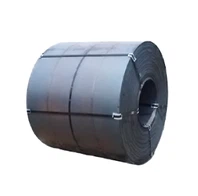
Hey there! As a supplier of ASME SA516, I often get asked about its elongation. So, let's dive right into what the elongation of ASME SA516 is all about.
First off, ASME SA516 is a standard specification for pressure vessel plates, carbon steel, for moderate- and lower-temperature service. Elongation is a crucial mechanical property when it comes to materials like ASME SA516. It refers to the ability of the material to stretch or deform before it breaks. In simple terms, it tells us how much a piece of ASME SA516 can be pulled or stretched before it snaps.
The elongation of ASME SA516 is typically measured as a percentage. It's determined through a tensile test, which is a common test in the materials science field. During a tensile test, a sample of the ASME SA516 plate is placed in a testing machine, and a gradually increasing force is applied until the sample breaks. The change in the length of the sample before and after the test is used to calculate the elongation percentage.
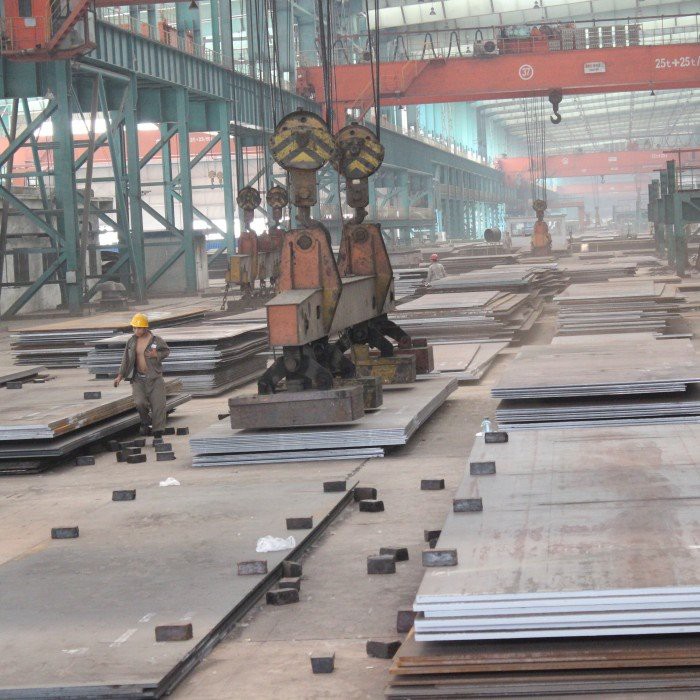

For ASME SA516, the elongation requirements vary depending on the grade. There are different grades of ASME SA516, such as Grade 55, Grade 60, Grade 65, and Grade 70. Each grade has its own set of mechanical properties, including elongation. Generally, the higher the grade, the higher the strength, but the elongation might be slightly different.
Grade 55, for example, usually has a minimum elongation requirement. This minimum value ensures that the material has enough ductility to withstand certain levels of deformation without failing. Ductility is important in applications where the material might be subjected to bending, forming, or other types of mechanical stress. If the elongation is too low, the material could be brittle and more likely to crack or break under stress.
Grade 60 also has its specific elongation requirements. The industry standards define these requirements to ensure the quality and performance of the ASME SA516 plates. When we as suppliers produce these plates, we have to make sure that they meet these elongation criteria. This involves careful control of the manufacturing process, including the heat treatment, rolling, and other steps.
Grade 65 and Grade 70 follow the same principle. The elongation values are set to balance the strength and ductility of the material. In some applications, like pressure vessels used in the oil and gas industry, the ASME SA516 plates need to be able to handle high pressures and temperatures. The right amount of elongation ensures that the plates can expand and contract without causing structural failure.
Now, let's talk about why elongation matters in real-world applications. In the construction of pressure vessels, for instance, the plates need to be able to be formed into the desired shape. If the elongation is not sufficient, the plates might crack during the forming process. This could lead to costly repairs or even the rejection of the entire vessel.
In the power generation industry, ASME SA516 plates are used in boilers and other equipment. These components are often subjected to cyclic loading, which means they experience repeated stress over time. The elongation property helps the plates withstand this cyclic loading without fatigue failure. Fatigue failure can occur when a material is repeatedly stressed and eventually develops cracks.
When it comes to comparing ASME SA516 with other similar materials, we can look at some alternatives. For example, SM520C is another type of low-alloy steel plate. It also has its own elongation characteristics. While it might have some similarities with ASME SA516 in terms of application, the elongation values and other mechanical properties could be different. This is why it's important for engineers and designers to carefully select the right material based on the specific requirements of the project.
Another alternative is A572GR50 Carbon Steel Plate. This plate is also used in various structural applications. The elongation of A572GR50 might be different from ASME SA516, and it's important to understand these differences when choosing between the two. Each material has its own advantages and disadvantages, and the elongation is just one factor to consider.
A633GRD Low Alloy Steel Plate is yet another option. It has its own set of mechanical properties, including elongation. Comparing these materials can help in making the best choice for a particular application.
As a supplier of ASME SA516, we understand the importance of elongation. We work closely with our customers to ensure that they get the right grade of ASME SA516 with the appropriate elongation properties for their projects. We have a team of experts who can provide technical support and advice on which grade and what elongation values are best suited for different applications.
If you're in the market for ASME SA516 plates, it's crucial to consider the elongation requirements. Whether you're involved in the construction of pressure vessels, power generation equipment, or other industrial applications, the right elongation can make a big difference in the performance and durability of your products.
So, if you're looking for high-quality ASME SA516 plates that meet the required elongation standards, don't hesitate to get in touch with us. We can discuss your specific needs, provide samples, and offer competitive prices. Our goal is to be your reliable partner in supplying top-notch ASME SA516 products.
References
- ASME Boiler and Pressure Vessel Code
- ASTM Standards for Carbon Steel Plates