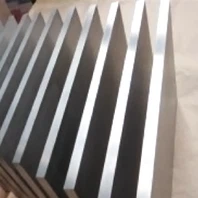
Selecting the right high strength plate is crucial for various industries, whether it's construction, manufacturing, or heavy machinery. As a high strength plate supplier, I've dealt with a wide range of customers, each with their own unique requirements. In this blog, I'll share some tips on how to select high strength plates to help you make an informed decision.
Understanding Your Needs
The first step in selecting a high strength plate is to understand your specific needs. What will the plate be used for? Is it for structural support, a piece of equipment, or something else? Different applications have different requirements in terms of strength, durability, and corrosion resistance.
For example, if you're building a bridge, you'll need a plate that can withstand heavy loads and harsh environmental conditions. On the other hand, if you're manufacturing a piece of machinery, you might need a plate with high machinability and good surface finish.
Think about the working environment as well. Will the plate be exposed to extreme temperatures, chemicals, or moisture? These factors can significantly affect the performance and lifespan of the plate.
Consider the Strength Grade
High strength plates come in various strength grades. The strength grade indicates the minimum yield strength of the plate. The higher the strength grade, the stronger the plate.
Some common high strength plate grades include S890QL, S460QL1 690ql Plate, and A514GRF High Strength Steel Plate. Each grade has its own characteristics and is suitable for different applications.
S890QL, for instance, is a quenched and tempered high strength structural steel. It offers excellent strength and toughness, making it ideal for applications where high strength and good weldability are required. S460QL1 690ql Plate is also a high strength structural steel with good cold forming properties. It's often used in the construction of heavy machinery and equipment. A514GRF High Strength Steel Plate is a high strength, weldable steel plate that's commonly used in the manufacturing of bridges, buildings, and other structures.
When choosing a strength grade, make sure it meets the requirements of your project. Don't over-specify or under-specify the strength. Over-specifying can lead to unnecessary costs, while under-specifying can compromise the safety and performance of your project.
Check the Thickness and Dimensions
The thickness and dimensions of the high strength plate are also important considerations. The thickness of the plate affects its strength and weight. A thicker plate is generally stronger but also heavier.
Measure the required dimensions accurately. Make sure the plate you choose can be easily cut, formed, and welded to fit your project. Some suppliers offer custom cutting and machining services, which can save you time and effort.
Evaluate the Quality and Certification
Quality is non - negotiable when it comes to high strength plates. Look for plates that are produced by reputable manufacturers. Reputable manufacturers usually follow strict quality control procedures to ensure the plates meet the required standards.
Check if the plates have relevant certifications. Certifications such as ISO 9001:2015 indicate that the manufacturer has a quality management system in place. Other certifications, such as EN 10204, provide assurance about the quality and traceability of the product.
Examine the Weldability
In many applications, high strength plates need to be welded. So, it's important to consider the weldability of the plate. Good weldability means that the plate can be welded without significant problems such as cracking or loss of strength in the welded area.
Some high strength plates are designed to have better weldability than others. Factors such as the chemical composition of the plate, especially the carbon equivalent, can affect its weldability. If you're not sure about the weldability of a particular plate, consult with the supplier or a welding expert.
Look at the Corrosion Resistance
Corrosion can significantly reduce the lifespan of high strength plates. Depending on the application and the working environment, you may need a plate with good corrosion resistance.
Some plates are treated with special coatings or have alloying elements that enhance their corrosion resistance. For example, plates with a zinc coating or stainless steel plates are more resistant to corrosion. If the plate will be exposed to a corrosive environment, choose a plate with appropriate corrosion - resistant properties.
Cost Considerations
Cost is always a factor when selecting high strength plates. However, don't just focus on the price. Consider the overall value, which includes the quality, performance, and lifespan of the plate.
A cheaper plate may seem like a good deal at first, but if it has poor quality or doesn't meet the requirements of your project, it could end up costing you more in the long run. On the other hand, a high - quality plate may have a higher upfront cost but can save you money on maintenance and replacement in the future.
Supplier Reputation and Support
As a high strength plate supplier, I know that the reputation of the supplier matters a lot. A reliable supplier can provide you with high - quality products, accurate information, and good customer support.
Look for suppliers with a good track record. Read customer reviews and testimonials. A supplier who has been in the industry for a long time and has positive feedback from customers is more likely to provide a good service.
Also, consider the supplier's after - sales support. Will they be able to assist you if you have any problems with the plates? Do they offer technical advice and support?
Conclusion
Selecting the right high strength plate is a multi - step process. You need to understand your needs, consider the strength grade, thickness, quality, weldability, corrosion resistance, and cost. By taking these factors into account, you can choose a plate that meets the requirements of your project and provides the best value for your money.
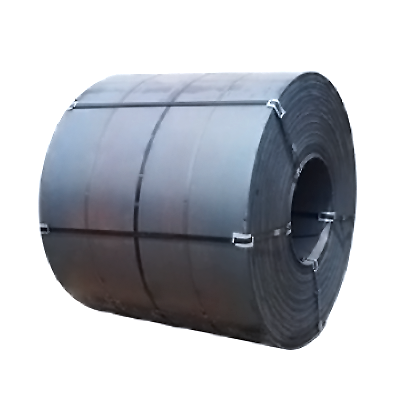
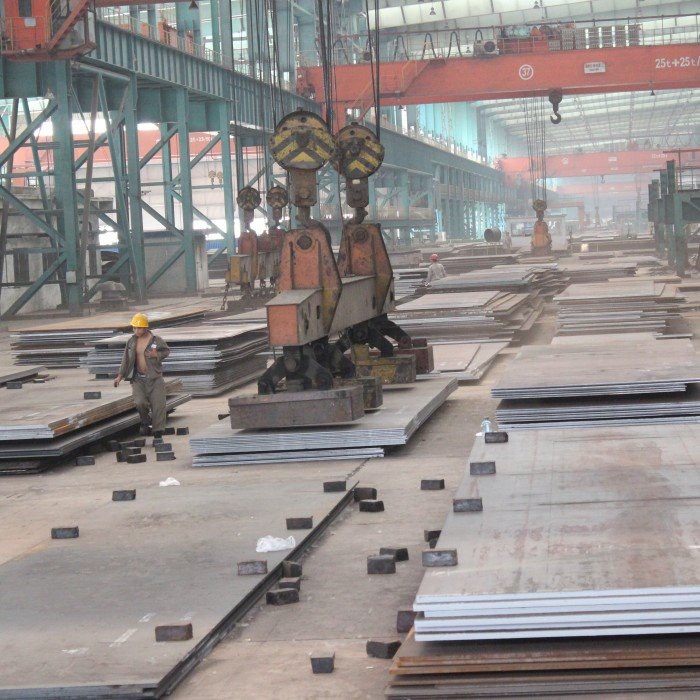
If you're in the market for high strength plates and have any questions or need further advice, don't hesitate to get in touch. I'm here to help you make the right choice for your project. Let's talk about your requirements and find the perfect high strength plate solution for you.
References
- ASME Boiler and Pressure Vessel Code
- ASTM International Standards
- EN European Standards