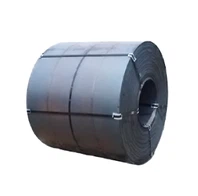
As a supplier of Pressure Vessel Plates, I've seen firsthand how various factors can impact the quality and performance of these crucial components. One of the most significant factors is the sulfur content in the steel used to make these plates. In this blog post, I'll dive into the effects of sulfur content on Pressure Vessel Plates and why it matters for your projects.
What is Sulfur in Steel?
Sulfur is a common impurity found in steel. It's usually present as a result of the raw materials used in the steel - making process. In small amounts, sulfur can have some beneficial effects on steel, but when its content gets too high, it can cause a range of problems.
Effects of Low Sulfur Content
Improved Weldability
When the sulfur content in Pressure Vessel Plates is low, the weldability of the plates is significantly improved. Welding is a critical process in the fabrication of pressure vessels. Low - sulfur steel forms a more stable and homogeneous weld bead. This means fewer defects like porosity, cracking, and inclusions in the weld. For example, in our [P295GH](/pressure - vessel - plate/p295gh.html) plates, which are designed for use in pressure vessels in the European market, a low sulfur content ensures that welders can achieve high - quality joints without much hassle.
Enhanced Toughness
Low sulfur content also contributes to the toughness of the Pressure Vessel Plates. Toughness is the ability of the material to absorb energy and deform plastically before fracturing. In pressure vessel applications, where the plates are subjected to high pressures and dynamic loads, toughness is crucial. Our [SA516GR70](/pressure - vessel - plate/sa516gr70.html) plates, which are widely used in the oil and gas industry, have a low sulfur content to enhance their toughness. This helps the vessels withstand harsh operating conditions without sudden failures.
Better Corrosion Resistance
Another advantage of low sulfur content is improved corrosion resistance. Sulfur can react with other elements in the steel and form compounds that are more prone to corrosion. By keeping the sulfur content low, we can reduce the risk of corrosion in pressure vessels. This is especially important for vessels that are used in corrosive environments, such as chemical processing plants.
Effects of High Sulfur Content
Reduced Ductility
High sulfur content in Pressure Vessel Plates can lead to a reduction in ductility. Ductility is the ability of a material to deform under tensile stress without breaking. When sulfur levels are high, the steel becomes more brittle. This is a major concern in pressure vessel applications because a lack of ductility can increase the risk of sudden and catastrophic failure. For instance, in [ASTM A537CL2 SA285GrB](/pressure - vessel - plate/sa285grb.html) plates, if the sulfur content is not properly controlled, the ductility may be compromised, making the vessels less reliable.
Poor Weld Quality
High sulfur in the steel can also result in poor weld quality. During the welding process, sulfur can react with other elements and form sulfide inclusions. These inclusions can act as stress raisers, leading to cracking in the weld. Weld repairs are time - consuming and costly, and they can also introduce additional risks to the integrity of the pressure vessel.

Increased Susceptibility to Hot Cracking
Hot cracking is a common problem in welding high - sulfur steels. When the steel is being welded, the high sulfur content can cause the formation of low - melting - point compounds at the grain boundaries. As the weld cools and contracts, these low - melting - point compounds can't withstand the stress, resulting in cracks. This is a serious issue for pressure vessel fabrication, as hot cracks can significantly weaken the structure of the vessel.
Controlling Sulfur Content
As a supplier, we take great care to control the sulfur content in our Pressure Vessel Plates. We work closely with our steel mills to ensure that the raw materials used in the production process have low sulfur levels. Advanced steel - making techniques, such as desulfurization during the refining process, are employed to further reduce the sulfur content.
We also conduct rigorous quality control checks on our plates. Our in - house laboratories are equipped with state - of - the - art testing equipment to accurately measure the sulfur content and other chemical compositions of the plates. This allows us to guarantee that our products meet the strict standards required for pressure vessel applications.
Why Sulfur Content Matters for Your Projects
When you're working on a pressure vessel project, the quality of the Pressure Vessel Plates is of utmost importance. The sulfur content can have a direct impact on the performance, reliability, and safety of the pressure vessels. Using plates with the right sulfur content can help you avoid costly repairs, downtime, and potential safety hazards.
For example, if you're building a pressure vessel for a high - pressure application in the energy sector, choosing plates with low sulfur content can ensure that the vessel can withstand the extreme conditions and operate safely for an extended period. On the other hand, using plates with high sulfur content can lead to premature failures, which can result in significant financial losses and pose risks to the environment and personnel.
Conclusion
In conclusion, the sulfur content in Pressure Vessel Plates plays a crucial role in determining their quality and performance. Low sulfur content offers benefits such as improved weldability, enhanced toughness, and better corrosion resistance, while high sulfur content can lead to reduced ductility, poor weld quality, and increased susceptibility to hot cracking.
As a reliable supplier of Pressure Vessel Plates, we're committed to providing our customers with high - quality products that meet the strictest industry standards. Our team of experts is always ready to help you choose the right plates for your specific applications.
If you're in the market for Pressure Vessel Plates and want to learn more about how sulfur content can impact your projects, or if you're ready to start a procurement process, feel free to reach out to us. We're here to assist you with all your pressure vessel plate needs.
References
- ASME Boiler and Pressure Vessel Code
- ASTM International Standards for Pressure Vessel Plates
- Research papers on the effects of sulfur in steel for pressure vessel applications