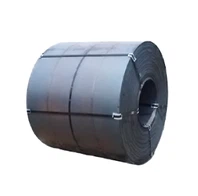
As a supplier of vessel plate A516GR70, I've witnessed firsthand the significant influence of the environment on this particular type of steel. A516GR70 is a widely used carbon steel plate for medium and low-temperature pressure vessels. Its performance can be greatly affected by various environmental factors, which in turn can impact its suitability for different applications.
Corrosion in Different Environments
One of the most prominent effects of the environment on vessel plate A516GR70 is corrosion. In a marine environment, for example, the high salt content in the air and water accelerates the corrosion process. Saltwater contains chloride ions, which can penetrate the protective oxide layer on the surface of the steel, leading to pitting corrosion. Pitting corrosion is a localized form of corrosion that can cause small holes or pits in the steel, weakening its structural integrity over time.
In industrial environments, exposure to chemicals and pollutants can also cause corrosion. For instance, in a chemical plant where the air may be filled with acidic or alkaline gases, the steel can react with these substances, leading to general corrosion or stress corrosion cracking. Stress corrosion cracking is a particularly dangerous form of corrosion because it can occur even under relatively low stress levels, and it can lead to sudden and catastrophic failure of the vessel.
On the other hand, in a dry and clean environment, the corrosion rate of A516GR70 is significantly lower. The lack of moisture and contaminants reduces the likelihood of chemical reactions on the steel surface, allowing the steel to maintain its mechanical properties for a longer period.
Temperature Effects
Temperature is another crucial environmental factor that affects vessel plate A516GR70. At low temperatures, the steel becomes more brittle. This phenomenon is known as the ductile - brittle transition. When the temperature drops below a certain critical point, the steel loses its ability to deform plastically and instead fractures in a brittle manner. This is a major concern for vessels operating in cold regions or those used to store cryogenic fluids.
Conversely, at high temperatures, the strength of A516GR70 decreases. As the temperature rises, the atomic structure of the steel becomes more disordered, and the bonds between atoms are weakened. This results in a reduction in the yield strength and ultimate tensile strength of the steel. For vessels operating at high temperatures, such as those in power plants or refineries, this reduction in strength must be carefully considered during the design and operation phases.
Fatigue in Varying Environments
Vessels made of A516GR70 are often subjected to cyclic loading, such as pressure fluctuations or vibrations. In a harsh environment, the combination of cyclic loading and environmental factors can accelerate fatigue failure. For example, in a marine environment, the corrosion pits on the steel surface can act as stress concentrators. When cyclic loading is applied, these stress concentrators can initiate cracks, which then propagate under further loading.
In addition, temperature variations can also contribute to fatigue. Thermal cycling, which occurs when the vessel is heated and cooled repeatedly, can cause thermal stresses in the steel. These thermal stresses, combined with mechanical stresses from cyclic loading, can significantly reduce the fatigue life of the vessel.
Comparison with Other Steel Grades
When considering the environmental effects on vessel plate A516GR70, it's also useful to compare it with other steel grades. For example, A572GR50 is a low - alloy steel plate. It generally has better strength properties than A516GR70, especially at high temperatures. However, its corrosion resistance may not be as good as A516GR70 in some environments, depending on the specific alloying elements and the nature of the environment.
NM450 Abrasion Resistant Wear Plates are designed for applications where abrasion resistance is the primary concern. While they may have excellent resistance to wear, their performance in terms of corrosion and mechanical properties under different temperature conditions may be different from A516GR70.
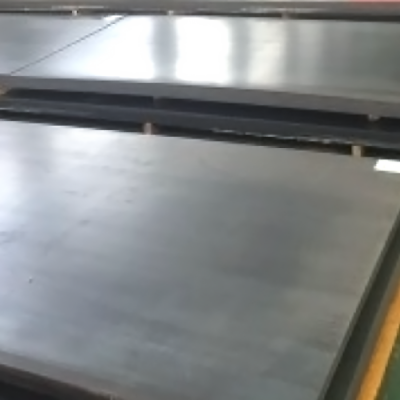

A572GR55 Heavy Plate is another low - alloy steel grade. It offers a good balance between strength and ductility. In comparison with A516GR70, its response to environmental factors such as corrosion and temperature may vary, and the choice between the two depends on the specific requirements of the application.
Mitigating Environmental Effects
To mitigate the negative effects of the environment on vessel plate A516GR70, several measures can be taken. One of the most common methods is to apply protective coatings. Coatings can act as a barrier between the steel and the environment, preventing direct contact with corrosive substances. There are various types of coatings available, such as epoxy coatings, zinc - rich coatings, and ceramic coatings, each with its own advantages and limitations.
Proper design and maintenance are also essential. During the design phase, factors such as stress levels, temperature ranges, and potential exposure to corrosive environments should be carefully considered. For example, the vessel can be designed with a sufficient safety factor to account for the reduction in strength due to environmental effects. Regular inspection and maintenance can help detect early signs of corrosion, fatigue, or other damage, allowing for timely repairs or replacements.
Conclusion
In conclusion, the environment has a profound effect on vessel plate A516GR70. Corrosion, temperature variations, and cyclic loading in different environments can all impact the performance and durability of the steel. As a supplier of A516GR70, I understand the importance of providing high - quality steel that can withstand these environmental challenges. By understanding the specific environmental conditions of the application and taking appropriate mitigation measures, we can ensure that our customers' vessels operate safely and efficiently.
If you are in the market for vessel plate A516GR70 or have any questions about its performance in different environments, I encourage you to contact us for a detailed discussion. We are committed to providing the best solutions for your specific needs.
References
- ASME Boiler and Pressure Vessel Code
- ASTM A516/A516M Standard Specification for Pressure Vessel Plates, Carbon Steel, for Moderate - and Lower - Temperature Service
- Corrosion Handbook, edited by Pierre R. Roberge