Creep resistance is a crucial property when considering the performance of low alloy steel plates, especially in high - temperature and high - stress applications. As a supplier of low alloy steel plates, I am often asked about what creep resistance is and how it impacts the use of our products. In this blog, I will delve into the concept of creep resistance in low alloy steel plates, its influencing factors, and its significance in various industries.
What is Creep Resistance?
Creep is a time - dependent deformation that occurs in materials under a constant load at elevated temperatures. Even when the stress applied is below the yield strength of the material, over time, the material will gradually deform. Creep resistance, therefore, refers to a material's ability to resist this slow, continuous deformation under such conditions.
For low alloy steel plates, creep resistance is of utmost importance in applications where they are exposed to high temperatures for extended periods. For instance, in power generation plants, low alloy steel plates are used in boilers, steam pipes, and turbines. These components operate at high temperatures and pressures, and any significant creep deformation can lead to structural failures, leakage, and even catastrophic accidents.
Factors Affecting Creep Resistance of Low Alloy Steel Plates
Alloying Elements
The addition of alloying elements is one of the most effective ways to enhance the creep resistance of low alloy steel plates. Elements such as chromium (Cr), molybdenum (Mo), vanadium (V), and nickel (Ni) play vital roles. Chromium forms a stable oxide layer on the surface of the steel, which protects it from oxidation at high temperatures. Molybdenum strengthens the steel matrix and improves its resistance to creep deformation. Vanadium helps in the formation of fine carbide particles, which pin dislocations and impede their movement, thus increasing the creep resistance. Nickel enhances the toughness and ductility of the steel, which is beneficial in maintaining the integrity of the material during creep.
Microstructure
The microstructure of low alloy steel plates also has a significant impact on creep resistance. A fine - grained microstructure generally provides better creep resistance compared to a coarse - grained one. Fine grains increase the number of grain boundaries, which act as barriers to dislocation movement. Additionally, the presence of precipitates, such as carbides and intermetallic compounds, can also improve creep resistance. These precipitates can pin dislocations and prevent them from gliding easily, thereby reducing the rate of creep deformation.
Heat Treatment
Proper heat treatment can optimize the microstructure of low alloy steel plates and improve their creep resistance. Processes such as quenching and tempering can refine the grain structure and enhance the distribution of alloying elements. Normalizing can also be used to achieve a more uniform microstructure. Heat treatment can also relieve internal stresses in the steel, which can otherwise accelerate creep deformation.
Testing Creep Resistance
There are several methods to test the creep resistance of low alloy steel plates. The most common method is the creep test, which involves subjecting a specimen of the steel plate to a constant load at a specific elevated temperature for an extended period. The deformation of the specimen is measured over time, and the creep rate is calculated. The creep rate is an important parameter that indicates the material's resistance to creep. A lower creep rate means better creep resistance.
Another method is the stress - rupture test, which measures the time it takes for a specimen to rupture under a constant load at a given temperature. This test provides information about the long - term strength of the material under high - temperature conditions.
Applications of Low Alloy Steel Plates with High Creep Resistance
Power Generation
As mentioned earlier, low alloy steel plates with high creep resistance are widely used in power generation plants. In fossil - fuel power plants, they are used in boilers to withstand high - temperature steam. In nuclear power plants, they are used in reactor pressure vessels and steam generators. The high creep resistance of these steel plates ensures the long - term reliability and safety of these critical components.
Petrochemical Industry
In the petrochemical industry, low alloy steel plates are used in equipment such as distillation columns, reactors, and heat exchangers. These equipment operate at high temperatures and pressures, and the creep resistance of the steel plates is essential to prevent deformation and leakage, which could lead to environmental pollution and safety hazards.
Automotive Industry
In the automotive industry, low alloy steel plates with good creep resistance are used in engine components, such as exhaust manifolds and turbocharger housings. These components are exposed to high - temperature exhaust gases, and the creep resistance of the steel plates helps to maintain their shape and performance over time.
Our Low Alloy Steel Plate Products with Good Creep Resistance
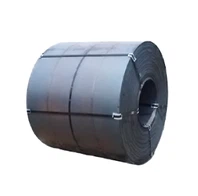
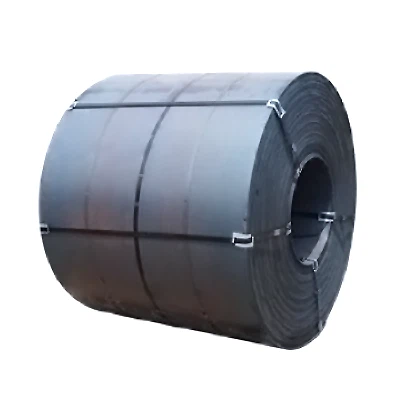
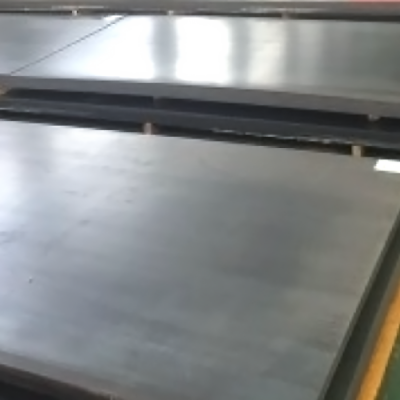
We offer a wide range of low alloy steel plates with excellent creep resistance. Some of our popular products include A573GR70, S355JR, and P265GH Plate A516 Gr 70. These products are carefully manufactured using advanced production processes and quality control measures to ensure their high performance in high - temperature and high - stress applications.
Why Choose Our Low Alloy Steel Plates?
- Quality Assurance: We have a strict quality control system in place. Our low alloy steel plates are tested for various properties, including creep resistance, to ensure they meet the highest industry standards.
- Customization: We can customize the low alloy steel plates according to your specific requirements. Whether you need a particular thickness, size, or alloy composition, we can provide a solution that suits your needs.
- Technical Support: Our team of experts is always ready to provide technical support. If you have any questions about the creep resistance of our low alloy steel plates or their applications, we can offer professional advice.
Conclusion
Creep resistance is a critical property for low alloy steel plates, especially in applications where they are exposed to high temperatures and stresses. Understanding the concept of creep resistance, its influencing factors, and its significance in different industries is essential for making informed decisions when selecting low alloy steel plates. As a supplier, we are committed to providing high - quality low alloy steel plates with excellent creep resistance to meet the diverse needs of our customers.
If you are interested in our low alloy steel plates or have any questions regarding creep resistance and their applications, please feel free to contact us for further discussion and procurement negotiation. We look forward to working with you to provide the best solutions for your projects.
References
- ASM Handbook, Volume 1: Properties and Selection: Irons, Steels, and High - Performance Alloys.
- Callister, W. D., & Rethwisch, D. G. (2014). Materials Science and Engineering: An Introduction. Wiley.
- Porter, D. A., & Easterling, K. E. (1992). Phase Transformations in Metals and Alloys. Chapman & Hall.