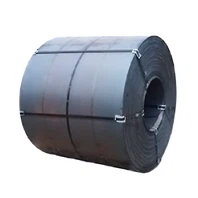
When it comes to high - temperature performance, the comparison between low alloy steel plates and nickel alloy plates is a topic of great significance in various industrial applications. As a supplier of low alloy steel plates, I have witnessed firsthand the unique characteristics and advantages of low alloy steel plates in high - temperature environments, as well as how they stack up against nickel alloy plates.
High - Temperature Strength and Creep Resistance
One of the key aspects of high - temperature performance is the strength of the material under elevated temperatures. Nickel alloy plates are well - known for their excellent high - temperature strength. They contain a high percentage of nickel, which forms a stable face - centered cubic (FCC) crystal structure. This structure provides good resistance to dislocation movement, which is the primary mechanism of plastic deformation at high temperatures. As a result, nickel alloy plates can maintain their strength at very high temperatures, often up to 1000°C or more, making them suitable for applications in aerospace engines, gas turbines, and other high - heat environments.
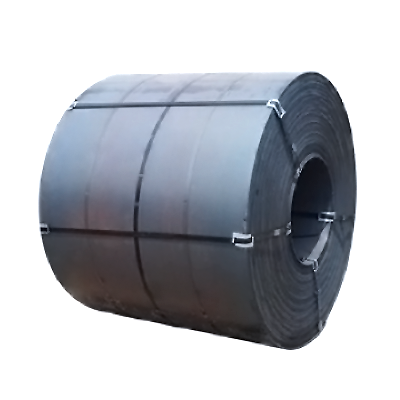

On the other hand, low alloy steel plates have a different composition. They typically contain small amounts of alloying elements such as manganese, chromium, molybdenum, and vanadium in addition to iron and carbon. These alloying elements enhance the strength and hardenability of the steel. At moderately high temperatures, up to around 400 - 600°C, low alloy steel plates can still exhibit good strength. For example, High Strength Plate from our product range has been engineered to maintain a certain level of strength in this temperature range. However, as the temperature rises above 600°C, the strength of low alloy steel plates starts to decline more rapidly compared to nickel alloy plates.
Creep resistance is another important factor in high - temperature applications. Creep is the slow, time - dependent deformation of a material under a constant load at high temperatures. Nickel alloy plates generally have superior creep resistance due to their stable crystal structure and the presence of elements that can form strong intermetallic compounds. These compounds act as barriers to dislocation movement and grain boundary sliding, which are the main causes of creep. Low alloy steel plates, while having some creep resistance at lower temperatures, are more prone to creep at higher temperatures. This limits their use in applications where long - term, high - temperature stability under load is required, such as in power plant boilers operating at very high pressures and temperatures.
Oxidation and Corrosion Resistance
In high - temperature environments, oxidation and corrosion can significantly affect the performance and lifespan of materials. Nickel alloy plates have excellent oxidation resistance. The nickel in the alloy forms a protective oxide layer on the surface when exposed to high - temperature air or other oxidizing atmospheres. This oxide layer is dense and adherent, preventing further oxidation of the underlying material. Additionally, many nickel alloys are also resistant to corrosion by various chemicals at high temperatures, making them suitable for use in chemical processing plants and other corrosive environments.
Low alloy steel plates, however, are more susceptible to oxidation at high temperatures. When heated in air, the iron in the steel reacts with oxygen to form iron oxides, which can flake off and expose fresh metal to further oxidation. This can lead to a reduction in the thickness and strength of the plate over time. To improve the oxidation resistance of low alloy steel plates, surface treatments or the addition of specific alloying elements can be used. For example, the addition of chromium can enhance the formation of a more protective oxide layer. Our SM490A JISG3106 SM490 plates have been designed with a certain level of alloying elements to provide better oxidation resistance in moderately high - temperature applications.
In terms of corrosion resistance, low alloy steel plates are generally less corrosion - resistant than nickel alloy plates at high temperatures. In acidic or alkaline environments at elevated temperatures, low alloy steel plates can corrode more quickly. However, in some specific applications where the corrosive environment is less severe and the temperature is not extremely high, low alloy steel plates can still be a cost - effective solution. For instance, in some industrial heating systems where the corrosive agents are minimal, low alloy steel plates can be used with proper maintenance and monitoring.
Thermal Conductivity
Thermal conductivity is an important property in high - temperature applications, especially in heat transfer processes. Nickel alloy plates typically have relatively low thermal conductivity compared to low alloy steel plates. This is due to the complex crystal structure and the presence of various alloying elements in nickel alloys, which can scatter heat - carrying electrons. In applications where heat transfer needs to be minimized, such as in thermal insulation components, the low thermal conductivity of nickel alloy plates can be an advantage.
Low alloy steel plates, on the other hand, have higher thermal conductivity. This makes them suitable for applications where efficient heat transfer is required, such as in heat exchangers. The high thermal conductivity allows for rapid transfer of heat from one fluid to another, improving the overall efficiency of the heat exchange process. Our NM450 Abrasion Resistant Wear Plates can also benefit from this property in some applications where heat dissipation is important in addition to their abrasion resistance.
Cost - Effectiveness
One of the significant advantages of low alloy steel plates is their cost - effectiveness. Nickel is a relatively expensive metal, and the production of nickel alloy plates involves complex manufacturing processes and the use of high - purity raw materials. As a result, nickel alloy plates are generally much more expensive than low alloy steel plates. For applications where the high - temperature requirements are not extremely demanding, low alloy steel plates can provide a more economical solution.
In many industrial applications, the temperature conditions are such that low alloy steel plates can meet the performance requirements at a fraction of the cost of nickel alloy plates. For example, in some industrial furnaces operating at temperatures below 600°C, low alloy steel plates can be used instead of nickel alloy plates without sacrificing too much in terms of performance. This cost - saving can be significant for large - scale projects, allowing companies to allocate their budgets more effectively.
Applications
The different high - temperature performance characteristics of low alloy steel plates and nickel alloy plates determine their respective applications. Nickel alloy plates are commonly used in high - end applications where extreme high - temperature performance is required. These include aerospace engines, where components need to withstand very high temperatures and stresses during flight; gas turbines, which operate at high - pressure and high - temperature conditions to generate electricity; and nuclear power plants, where materials must be resistant to high - temperature radiation and corrosion.
Low alloy steel plates, on the other hand, find wide use in a variety of industrial applications. They are commonly used in the construction of industrial boilers, pressure vessels, and pipelines operating at moderately high temperatures. In the automotive industry, low alloy steel plates are used in engine components and exhaust systems. The NM450 Abrasion Resistant Wear Plates are also used in mining and construction equipment, where they need to withstand wear and tear at relatively high - temperature operating conditions.
Conclusion
In conclusion, while nickel alloy plates have superior high - temperature performance in terms of strength, creep resistance, oxidation and corrosion resistance compared to low alloy steel plates, low alloy steel plates offer their own advantages, such as higher thermal conductivity and cost - effectiveness. The choice between the two depends on the specific high - temperature requirements of the application, including the temperature range, the presence of corrosive agents, and the mechanical loads involved.
As a supplier of low alloy steel plates, we understand the unique needs of our customers in different industries. We offer a wide range of high - quality low alloy steel plates, such as High Strength Plate, SM490A JISG3106 SM490, and NM450 Abrasion Resistant Wear Plates, which are designed to meet various high - temperature and other performance requirements. If you are looking for a reliable and cost - effective solution for your high - temperature applications, we invite you to contact us for further discussion and procurement negotiation. We are committed to providing you with the best products and services to meet your specific needs.
References
- ASM Handbook Volume 1: Properties and Selection: Irons, Steels, and High - Performance Alloys. ASM International.
- Metals Handbook: Properties and Selection of Engineering Materials. American Society for Metals.
- Callister, W. D., & Rethwisch, D. G. (2014). Materials Science and Engineering: An Introduction. Wiley.