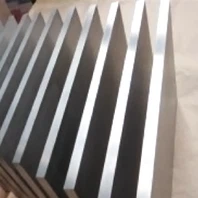
As a heavy plate supplier, I've witnessed firsthand the crucial role corrosion resistance plays in the performance and longevity of heavy plates. In various industries, from construction to manufacturing, heavy plates are constantly exposed to harsh environments that can lead to corrosion. Understanding the corrosion resistance of heavy plates is not only essential for ensuring their quality but also for meeting the diverse needs of our customers.
What is Corrosion?
Corrosion is a natural process that occurs when metals react with their environment, typically oxygen and water, to form metal oxides. This chemical reaction can cause the metal to deteriorate over time, leading to a loss of strength, integrity, and functionality. In the case of heavy plates, corrosion can result in pitting, cracking, and eventual failure, which can have serious consequences for the structures and equipment they are used in.
Factors Affecting the Corrosion Resistance of Heavy Plates
Several factors influence the corrosion resistance of heavy plates, including the composition of the steel, the presence of protective coatings, and the environmental conditions to which the plates are exposed.
Steel Composition
The composition of the steel is one of the most important factors affecting its corrosion resistance. Different alloying elements can be added to the steel to enhance its resistance to corrosion. For example, chromium is a common alloying element that forms a thin, protective oxide layer on the surface of the steel, preventing further corrosion. Nickel and molybdenum can also improve the corrosion resistance of steel, especially in acidic or chloride-containing environments.
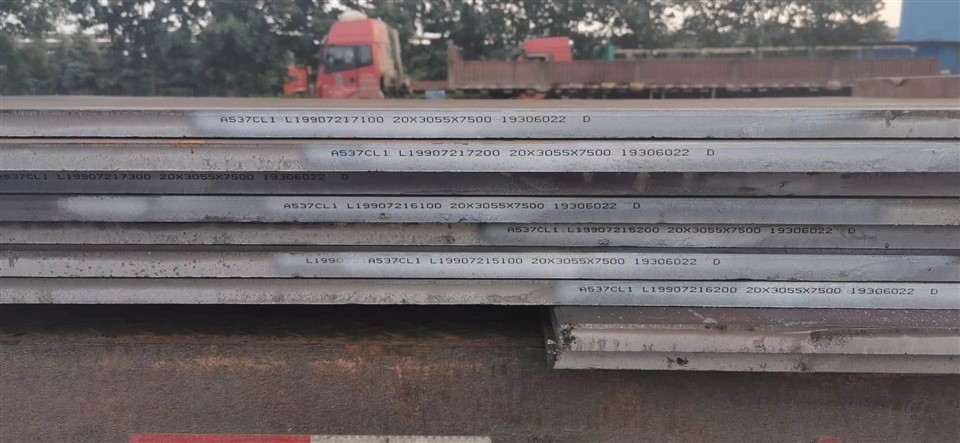
We offer a wide range of heavy plates with different steel compositions to meet the specific corrosion resistance requirements of our customers. For instance, our A537CL1 A537CL2 A537CL3 Asme Sa516 heavy plates are made of low-alloy steel with excellent corrosion resistance and mechanical properties, making them suitable for use in pressure vessels and storage tanks. Our A572GR60 heavy plates, on the other hand, are high-strength, low-alloy steel plates that offer good corrosion resistance and weldability, making them ideal for structural applications.
Protective Coatings
In addition to the steel composition, protective coatings can also be applied to the surface of the heavy plates to enhance their corrosion resistance. These coatings act as a barrier between the steel and the environment, preventing oxygen and water from reaching the surface of the steel. There are several types of protective coatings available, including paint, epoxy, and zinc coatings.
Paint coatings are the most commonly used type of protective coating for heavy plates. They are relatively inexpensive and easy to apply, and they can provide good corrosion resistance in mild environments. Epoxy coatings, on the other hand, are more durable and offer better corrosion resistance in harsh environments, such as those containing chemicals or high humidity. Zinc coatings, also known as galvanizing, are another effective way to protect heavy plates from corrosion. Zinc is a sacrificial metal that corrodes preferentially to the steel, providing long-term protection against rust and corrosion.
Environmental Conditions
The environmental conditions to which the heavy plates are exposed also play a significant role in their corrosion resistance. Factors such as temperature, humidity, pH, and the presence of chemicals can all affect the rate of corrosion. For example, heavy plates exposed to high humidity or saltwater environments are more likely to corrode than those exposed to dry, indoor environments.
To ensure the long-term corrosion resistance of our heavy plates, we work closely with our customers to understand their specific environmental conditions and recommend the most suitable steel composition and protective coatings.
Testing the Corrosion Resistance of Heavy Plates
To ensure the quality and performance of our heavy plates, we conduct a series of tests to evaluate their corrosion resistance. These tests include salt spray tests, immersion tests, and electrochemical tests.
Salt Spray Tests
Salt spray tests are one of the most commonly used methods for evaluating the corrosion resistance of heavy plates. In this test, the plates are exposed to a saltwater mist in a controlled environment for a specified period of time. The amount of corrosion that occurs on the surface of the plates is then measured and compared to a standard to determine the corrosion resistance of the plates.
Immersion Tests
Immersion tests involve immersing the heavy plates in a corrosive solution for a specified period of time. The solution can be a saltwater solution, an acidic solution, or a solution containing other chemicals. After the immersion period, the plates are removed from the solution, cleaned, and examined for signs of corrosion.
Electrochemical Tests
Electrochemical tests are used to measure the corrosion rate of the heavy plates in a more quantitative way. These tests involve measuring the electrical current flowing between the plate and a reference electrode in a corrosive solution. The corrosion rate can then be calculated based on the measured current.
Applications of Corrosion-Resistant Heavy Plates
Corrosion-resistant heavy plates are used in a wide range of industries and applications where the plates are exposed to harsh environments. Some of the common applications of corrosion-resistant heavy plates include:
Construction
In the construction industry, corrosion-resistant heavy plates are used in the construction of bridges, buildings, and other structures. These plates are often used in areas where the structures are exposed to moisture, salt, or other corrosive substances, such as coastal areas or industrial sites. Our S355NL heavy plates are a popular choice for construction applications due to their high strength and excellent corrosion resistance.
Manufacturing
In the manufacturing industry, corrosion-resistant heavy plates are used in the production of machinery, equipment, and containers. These plates are often used in applications where the equipment is exposed to chemicals, acids, or other corrosive substances, such as in the chemical processing industry or the food and beverage industry.
Energy
In the energy industry, corrosion-resistant heavy plates are used in the construction of oil and gas pipelines, storage tanks, and power plants. These plates are exposed to harsh environments, such as high pressure, high temperature, and corrosive substances, and they need to have excellent corrosion resistance to ensure the safety and reliability of the energy infrastructure.
Conclusion
As a heavy plate supplier, we understand the importance of corrosion resistance in the performance and longevity of heavy plates. By offering a wide range of heavy plates with different steel compositions and protective coatings, and by conducting rigorous testing to ensure their quality, we are able to provide our customers with corrosion-resistant heavy plates that meet their specific requirements.
If you are in need of high-quality, corrosion-resistant heavy plates for your project, please feel free to contact us. We have a team of experienced professionals who can help you select the most suitable heavy plates for your application and provide you with the best possible service.
References
- Jones, D. A. (1992). Principles and Prevention of Corrosion. Prentice Hall.
- Uhlig, H. H., & Revie, R. W. (1985). Corrosion and Corrosion Control: An Introduction to Corrosion Science and Engineering. Wiley-Interscience.