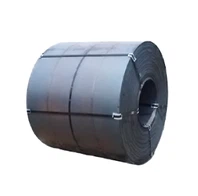
Ensuring the traceability of vessel plate A516GR70 is crucial in the manufacturing and supply chain of industrial vessels. As a supplier of vessel plate A516GR70, I understand the significance of traceability in maintaining quality control, meeting regulatory requirements, and providing customers with reliable products. In this blog, I will share some effective ways to ensure the traceability of vessel plate A516GR70.
Understanding the Importance of Traceability
Traceability refers to the ability to track and document the history, location, and application of a product from its origin to its end - use. For vessel plate A516GR70, traceability is essential for several reasons.
First, it is a key factor in quality control. By tracing the production process, including raw material sourcing, manufacturing operations, and testing procedures, we can identify and address any potential quality issues. If a problem is detected in a particular batch of vessel plates, traceability allows us to isolate the affected products, determine the root cause, and take corrective actions to prevent similar problems in the future.
Second, traceability is often required by regulatory bodies. In the vessel manufacturing industry, strict regulations are in place to ensure the safety and reliability of vessels. Traceability records help demonstrate compliance with these regulations, such as ISO standards and industry - specific codes. This is especially important when supplying vessel plates for critical applications, such as in the oil and gas, chemical, and power generation industries.
Finally, traceability provides customers with confidence in the products they purchase. Knowing that they can trace the origin and history of the vessel plate A516GR70 gives customers peace of mind, especially when it comes to high - stakes projects. It also allows them to make informed decisions about the suitability of the product for their specific needs.
Establishing a Traceability System
To ensure the traceability of vessel plate A516GR70, a comprehensive traceability system needs to be established. This system should cover every stage of the supply chain, from raw material procurement to the delivery of the final product.
Raw Material Sourcing
The traceability process starts with the sourcing of raw materials. As a supplier, we carefully select our raw material suppliers and require them to provide detailed documentation about the origin and quality of the materials. This documentation includes certificates of analysis, which specify the chemical composition and mechanical properties of the raw materials, as well as information about the production process and heat treatment.
For example, when purchasing steel for vessel plate A516GR70, we obtain certificates that show the source of the iron ore, the steelmaking process (such as basic oxygen furnace or electric arc furnace), and the heat treatment applied. This information is crucial for tracing the quality and performance of the final product back to its raw material origin.
Manufacturing Process
During the manufacturing process, we implement strict quality control measures and record every step of the production. Each vessel plate is assigned a unique identification number, which is used to track its progress through the manufacturing process. This number is marked on the plate itself, as well as on all associated documentation, such as work orders, inspection reports, and test certificates.
We also keep detailed records of the manufacturing operations, including rolling, heat treatment, and machining. For instance, the rolling parameters, such as temperature, pressure, and speed, are recorded for each plate. The heat treatment process, including the heating rate, soaking time, and cooling rate, is also carefully documented. These records not only help ensure the quality of the vessel plates but also provide valuable information for traceability purposes.

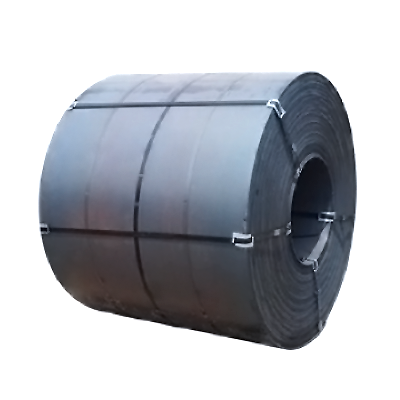
Testing and Inspection
Testing and inspection are integral parts of the traceability system. We conduct a series of tests on vessel plate A516GR70, including chemical analysis, mechanical testing (such as tensile testing, impact testing, and hardness testing), and non - destructive testing (such as ultrasonic testing and magnetic particle testing).
Each test result is recorded and linked to the unique identification number of the plate. The test certificates, which contain the test results and the relevant standards and specifications, are issued for each plate. These certificates serve as proof of the quality and compliance of the vessel plates and are essential for traceability.
Packaging and Shipping
Before shipping the vessel plates, we take care to ensure that they are properly packaged and labeled. The unique identification number of each plate is clearly marked on the packaging, along with other relevant information, such as the product name, size, and quantity. We also keep records of the shipping details, including the carrier, the shipping date, and the destination.
By maintaining detailed records at every stage of the supply chain, we can easily trace the movement of vessel plate A516GR70 from the raw material supplier to the end - user. This traceability system not only helps us manage our inventory and quality control but also provides our customers with the information they need to ensure the safety and reliability of their vessels.
Utilizing Technology for Traceability
In addition to traditional record - keeping methods, technology can play a significant role in enhancing the traceability of vessel plate A516GR70.
Barcoding and RFID Technology
Barcoding and radio - frequency identification (RFID) technology can be used to automate the tracking of vessel plates throughout the supply chain. Each plate is assigned a barcode or RFID tag, which contains its unique identification number and other relevant information.
When the plates are moved between different stages of the manufacturing process, the barcode or RFID tag can be scanned, and the data is automatically recorded in a central database. This not only improves the accuracy and efficiency of the traceability system but also allows for real - time tracking of the plates. For example, if a customer wants to know the current location of a particular batch of vessel plates, we can quickly access the information from the database using the barcode or RFID tag.
Blockchain Technology
Blockchain technology is another emerging technology that can be used to enhance traceability. Blockchain is a decentralized digital ledger that records transactions in a secure and transparent manner. In the context of vessel plate A516GR70 traceability, blockchain can be used to create an immutable record of the entire supply chain.
Each time a vessel plate moves through the supply chain, a transaction is recorded on the blockchain, including information about the raw material sourcing, manufacturing process, testing results, and shipping details. This information is stored in a decentralized network, which means that it cannot be altered or deleted without the consensus of the network participants. This provides a high level of security and trust in the traceability system, as all parties involved can access and verify the information.
Collaborating with Partners
Ensuring the traceability of vessel plate A516GR70 also requires collaboration with partners in the supply chain. This includes raw material suppliers, manufacturers, testing laboratories, and logistics providers.
We work closely with our raw material suppliers to ensure that they maintain high - quality traceability systems. We conduct regular audits of their facilities and processes to verify the accuracy and completeness of their traceability records. By collaborating with reliable suppliers, we can ensure the integrity of the raw materials used in the production of vessel plate A516GR70.
Manufacturers and testing laboratories also play a crucial role in the traceability process. We establish clear communication channels with them to exchange information about the manufacturing process and test results. We also require them to provide detailed documentation and follow strict quality control procedures to ensure the traceability of the vessel plates.
Logistics providers are responsible for the transportation and delivery of the vessel plates. We work with them to ensure that the plates are handled properly during shipping and that the shipping records are accurate. By collaborating with all partners in the supply chain, we can create a seamless traceability system that covers the entire lifecycle of vessel plate A516GR70.
Conclusion
Ensuring the traceability of vessel plate A516GR70 is a complex but essential task. By establishing a comprehensive traceability system, utilizing technology, and collaborating with partners in the supply chain, we can provide our customers with high - quality, reliable products and meet the strict regulatory requirements of the vessel manufacturing industry.
If you are in the market for vessel plate A516GR70 and are concerned about traceability, we are here to help. Our commitment to traceability ensures that you can have full confidence in the products you purchase. We also offer a wide range of other high - quality steel plates, such as P460QL2 Vessel Plate A516GR70, SM490A JISG3106 SM490, and S355J2.
Contact us to discuss your specific requirements and start a procurement negotiation. We look forward to working with you to meet your vessel plate needs.
References
- ISO 9001:2015 Quality management systems - Requirements
- ASME Boiler and Pressure Vessel Code
- ASTM A516/A516M - 17 Standard Specification for Pressure Vessel Plates, Carbon Steel, for Moderate - and Lower - Temperature Service